Wound Care at Home: When Do Patients Need Professional Nursing Support?
Careful monitoring and medical intervention may be necessary for the surgical incisions, pressure sore or chronic wounds, whereas a minor cut will be healed through basic first aid. Not dressing appropriately or not treating promptly can lead to complications and infection. Wound care at home is the best option for patients to receive required wound care in a familiar environment. We provide families with professional nursing services for wound care, dressing and healing according to their healthcare needs at Antara Care at Home.
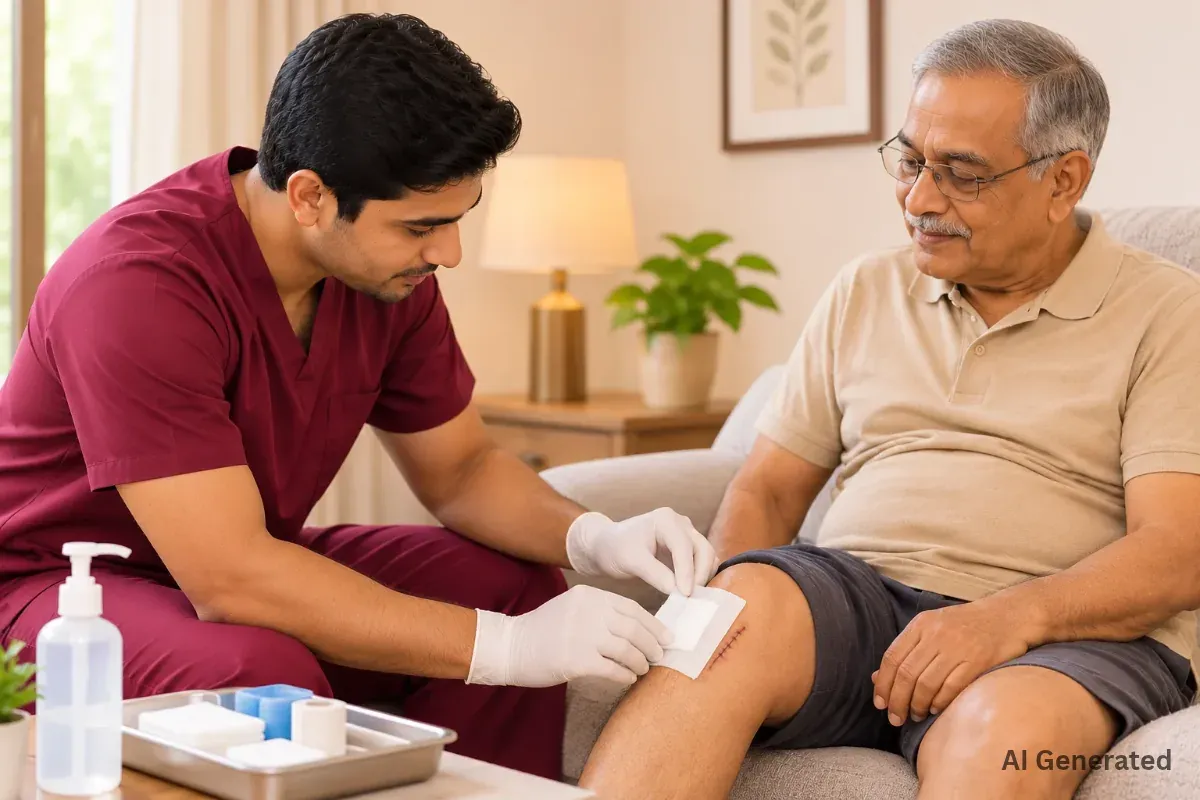
What Are the Common Types of Wounds That Need Home Care?
Wound care depends on the depth, causes, and rate of wound healing. Among the different types of wounds that require routine maintenance include:
● Surgical wounds: This is a cut that occurs after undergoing surgery that must be kept clean and examined to ensure that it does not become infected.
● Pressure ulcers: These are wounds resulting from the pressure on the skin occurring over some period of time. They usually occur in people who do not have any activity and stay mostly on their beds.
● Diabetic ulcers: They are ulcers which are difficult to treat since they occur mainly on the foot.
● Chronic wounds: Wounds that heal slower than they should like venous ulcers.
Our home Nursing for wound care services at Antara assist patients in dealing with such cases by providing adequate nursing care and monitoring.
How to Take Care of a Wound at Home?
A good care routine will mean cleaning the affected area, ensuring it is protected from contamination, and ensuring that any changes that happen within the process are monitored. The family can practice some basic safety procedures, which include:
- Clean hands: Washing hands before and after handling the dressing.
- Clean the wound gently: Using the recommended solution to clean the wound without using harsh products such as hydrogen peroxide and alcohol.
- Change dressing: Using the recommended time table to change the dressing.
- Cover the wounded area: Not applying any pressure or rubbing on the wound.
- Minimize healing: Watch for changes in the wound, skin around the wound or drainage.
If you are a patient who requires post-surgical wound care at home, it is especially important that you follow your surgeons orders. Do not use creams or take surgical closures off without a doctor's prescription.
What Are the Signs of a Wound Infection to Watch For?
Detection of wound infection symptoms early helps avoid further complications and also seeks proper medical care. Parents should look out for:
● Redness, warmth, or swelling of the affected area.
● An increase or chronic
● Yellow or green discharge or pus (pus).
● An unpleasant smell coming from the wound.
● Fever, chills or lethargy.
● Spread of red tracks from an affected area.
● A wound that doesn't heal or seems to get bigger.
These symptoms could be a sign of infection that needs medical evaluation. If fever, spreading redness, severe pain or disorientation occurs, it is a medical emergency.
When Do Patients Need Professional Wound Care at Home?
Although minor wounds can be treated with simple first aid, some wounds need the care of trained nursing personnel. When surgical incisions, deep wounds, pressure injuries or chronic ulcers require regular assessment, professional wound care at home becomes even more important.
Diabetic patients may require special wound care if they have diabetes, circulatory problems, a limited ability to move around or impaired immune system
When you should call a professional::
● A wound is not showing signs of healing.
● Dressings must be changed regularly or use special techniques.
● The patient is having pressure sores because of bed rest.
● The wound discharge is continuous or signs of infection are seen.
● Post surgical monitoring of the patient is necessary.
● Family caregivers have trouble cleaning and dressing wounds.
What Does Professional Nursing Care for Wound Dressing Include?
The nursing care for wound dressing requires much more than just covering a wound. It needs to be assessed, cleaned, protected and monitored appropriately in order to facilitate healing.
Professional nursing could involve:
● Wound assessment: Its measurements like size, depth, position, condition of the skin surrounding the wound, and healing process of the wound.
● Preparation and cleaning of the wound: Proper procedure and solutions used to clean the wound area.
● Wound Dressing: Proper dressing for the wound based on the characteristics of the wound and moisture content.
● Checking for any signs of infections: Anything unusual that might cause complications.
Wound dressing at home by Antara's Wound dressing is an appropriate help to patients without unnecessary trips to health care facilities. Additionally, families can take a look at our services in wound dressing at home as per the medical necessity of the loved ones..
Wound Care for Bedridden and Elderly Patients: What Should Families Know?
Skin injuries are especially dangerous in older adults and bedridden patients, due to decreased mobility, thin skin, and health issues. Pressure ulcers occur due to pressure on a part of the body for an extended amount of time, which cuts off blood flow.
Regular repositioning, skin checks, correct dressings and maintaining hygiene are essential to wound care for those who are bedridden. Heels, hips, elbows and lower back are all pressure points that should be monitored.
Wound care for elderly patients can be more fragile and slower to heal, necessitating careful wound care. Through clinical assistance and individualized plans, the nursing specialists of Antara help the families in managing the wound care requirements.
How Can Families Support Wound Healing at Home?
The role of involvement in the family is significant in recovery. Patients should be dressed according to the prescribed schedule and caregivers should ensure that the environment is clean, and that patients can eat and drink as needed.
For individuals with diabetes, monitoring blood sugar levels is also important. Patients who cannot get up should be turned according to the indications to minimise the risk of pressure injury.
Families need to stay in touch with the doctor who is treating the person and make sure that they are made aware of any unusual changes at an early stage. These measures, coupled with chronic wound management and professional nursing care, can help meet the needs for sustained care.
Conclusion
It takes patience, care and timely medical help to manage a wound. Surgical wounds, pressure ulcers and chronic injuries are often injuries that require professional assessment and regular dressings, while simple injuries may only be handled with basic first aid. Antara Care at Home offers families a chance to learn about wound care at home from trained nursing staff and customised care arrangements. Our aim is to ensure that the patient receives the required treatment and remains as comfortable as possible in his comfortable environment. In case the healing of the injury becomes difficult, professional nursing help is sought.