How to Find a Qualified Physiotherapist at Home for Elderly Patients?
As senior ages, they may experience physical changes that could impact their ability to walk, use stairs, balance or engage with normal activities. Arthritis, osteoporosis, stroke and weakness following surgery can make it difficult to do simple things. Physiotherapy can be beneficial for older people to keep them mobile, strengthen muscles and control their physical impairments. But for people with limited mobility, having to travel to a clinic for regular sessions can be a cumbersome challenge. Home access to a physiotherapist at home for elderly means they have access to professional rehabilitation in familiar surroundings. However, how do families know what professional to choose for their loved ones?
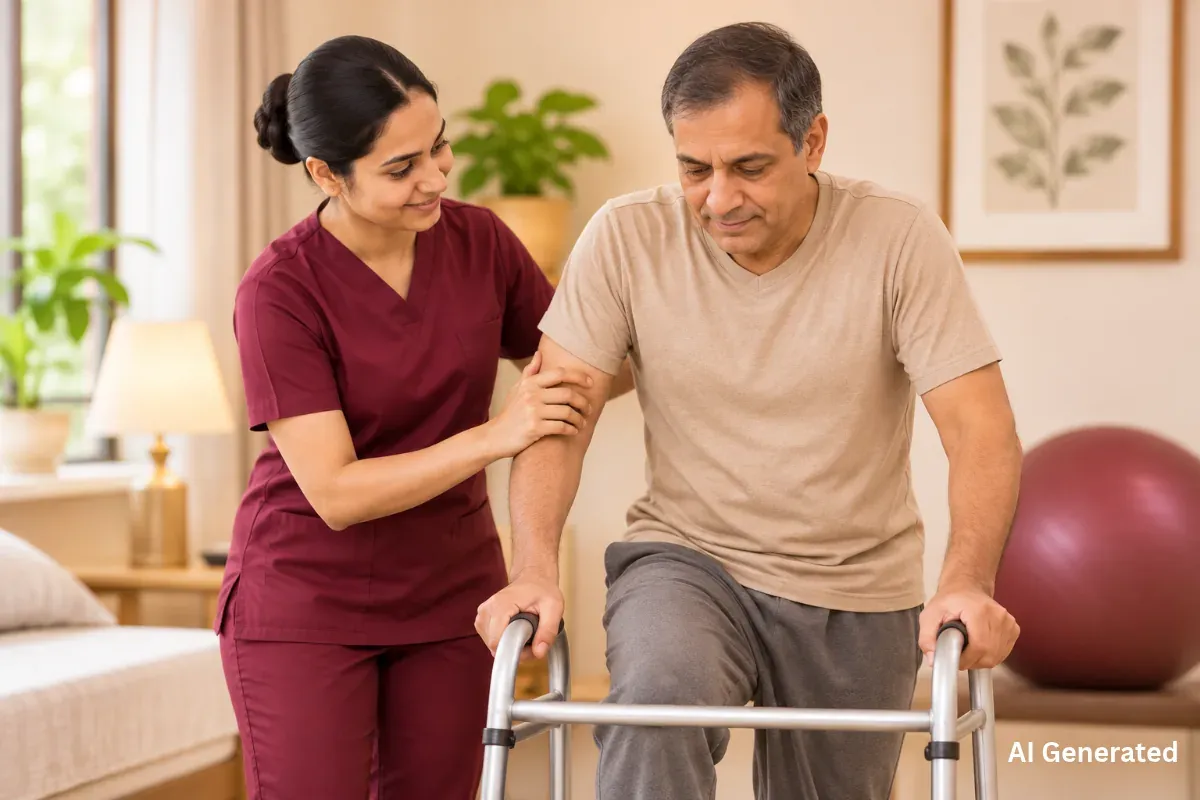
Why Do Elderly Patients Need Physiotherapy at Home?
As a senior gets older, they may experience a loss of independence due to weakness, stiffness of their joints, and their reduced coordination. For seniors who find it difficult to travel to physiotherapy sessions, Home physiotherapy for seniors makes it easier to access therapy. Therapists can also see how patients move around their houses, and learn about practical challenges. This form of therapy is personalized for everyone, depending on whether one needs help walking or doing other activities. There are many benefits associated with home physiotherapy, some of which include convenience, personalized treatment, reduced travel discomfort, and activities to solve problems in everyday life.
Which Conditions Can a Home Physiotherapist Help Manage?
A professional physiotherapist is able to assist elderly patients in managing various physical conditions through proper exercise and rehabilitative methods. Based on the assessment and diagnosis, physiotherapy at home for elderly patients may assist in the following:
● Arthritis: Bones of the joints stiffen; exercise and stretching makes the joint flexible and prevents stiffness.
● Stroke: Exercises may involve improving coordination, balance, and movement of the muscles in the affected limbs.
● Parkinson’s disease: Exercise programs could be made to assist with posture, gait patterns, flexibility and movement.
● Weakness following surgery: As per American Academy of Orthopaedic Surgeons (AAOS) In case the individual has undergone hip or knee replacement surgery, they should be guided in performing exercises that will improve their strength and movement of the hip and knees.
● Strength and balance exercises: Strength and balance exercises in well-chosen activities could be vital for helping to maintain the physical functions with the danger of fracturing being taken into account.
● Chronic back pain: Could be relieved by performing stretching and strengthening exercises.
● Walking and balance: Balance exercises and gait exercises could help with balancing and walking stability.
How to Evaluate a Physiotherapist Before Booking Home Sessions?
There are certain factors that should be considered when selecting a qualified physiotherapist at home. One should not only rely on session fees and advertisements to select a competent physiotherapist.
- Verify educational qualifications
It is necessary to confirm whether the therapist holds a Bachelor of Physiotherapy (BPT) or equivalent degrees and qualifications. It is also important to confirm professional registration.
- Look for experience in elderly rehabilitation
Older adults may have multiple health conditions that influence their treatment. A specialist in age-rehabilitation can understand difficulties related to mobility, balance and needs after surgery faced by elderly people.
- Check the initial assessment process
Exercise prescription should be grounded on the assessment of muscle strength, joint mobility, gait, balance, posture and pain conducted by an expert. This allows setting realistic goals of rehabilitation.
- Understand the treatment approach
Question the existence of a program of the therapy consisting of certain stages. Personalised physiotherapy for seniors should take into consideration their physical ability, medical history, comfort and progress, not the exercise of the same for all patients.
What Questions Should You Ask Before Hiring a Home Physiotherapist?
Before booking home physiotherapy services, families should discuss the following points:
● Have you encountered any of these patients in your elderly patients experience?
● Will you perform and document a physical exam prior to treatment?
● How often will the sessions be needed?
● What exercises and rehab recommendations will you give?
● How will you measure progress for mobility and strength?
● What are the precautions the family should take between sessions?
● Are you able to communicate with the patient's physician if his condition worsens?
Home Physiotherapy vs Clinic Physiotherapy: Which Is Better for Seniors?
Both can provide the patient rehabilitative support, but are not suitable for each medical situation and subject to the patient's mobility.
| Home Physiotherapy | Clinic Physiotherapy |
|---|---|
| Eliminates regular travel. | Must travel to the clinic. |
| Offers treatment in a comfortable environment. | Provides access to specialist equipment on the spot. |
| Facilitates everyday movement practice. | Has a rehabilitation setting dedicated to it. |
| Provides one-on-one support in sessions. | May include shared treatment areas. |
Senior citizen physiotherapy at home may be convenient for those seniors who have limited mobility, post op weakness or struggle to travel. But patients who need specific equipment or intensive rehabilitation probably can gain from treatment in a clinic. Treatment should be based on individual needs and recommended by the treating professional.
When Should Families Consider Professional Physiotherapy at Home?
If seniors are having trouble moving and the problem does not go away, or if they require supervision while they are recovering, families should seek the help of a professional rehabilitation. Common situations include:
● Unable to stand, walk or climb stairs without help.
● Muscle weakness as a result of extended periods of bed rest.
● Post-hospitalisation and orthopaedic surgery recovery.
● Multiple falls or dizziness.
● Joint stiffness that interferes with everyday activities.
● Problems in bathing and dressing.
Families should look for home physiotherapy near me by considering qualifications, experience, treatment techniques and availability instead of proximity. If weakness or pain is sudden or if there are new neurological symptoms, check with your doctor before starting the normal physiotherapy.
Antara Care at Home provides professional physiotherapy care for seniors who need to undergo rehabilitation in their comfort. Our services are dedicated to individual care needs, assisting patients in the direction of enhanced mobility, strength and functional independence, with expert direction.
FAQs
- How many physiotherapy sessions is elderly need?
The number will vary depending on the condition, physical ability and recovery objectives of the patient. The frequency is decided following initial evaluation by a physiotherapist and is checked regularly.
- Can elderly arthritis patients get physiotherapy at home?
Yes. Appropriate exercises can increase range of motion, build up supporting muscles and help to control discomfort associated with movement. The programme must take into consideration the joint condition and pain.
- Can physiotherapy at home be done following knee replacement?
Yes. With supervised rehabilitation, patients will slowly begin to regain healthy knee function, muscle strength, balance and walking after the surgeon's recovery guidelines.
- Would family members be involved in physiotherapy sessions?
Family involvement can be helpful. Caregivers can be taught safe-assistance techniques and what exercises or precautions the patient should do in between visits.
- When are physiotherapy exercises contraindicated?
If the patient becomes unusually painful, dizzy, breathless or suddenly uncomfortable, stop the exercises.