Why Catheter Care Does Not End After Hospital Discharge
Coming home from the hospital is a big step towards recovery. But for patients who still need a catheter, the care does not end here. They need regular attention to keep the catheter clean, prevent infections and manage their bladder health. For family members, taking care of a catheter-dependent patient can be difficult, especially when they are not familiar with the process. Small mistakes in catheter care can also lead to infections and other complications. So, what kind of care do these patients need after hospital discharge? Let's understand why continued medical and nursing support is important.
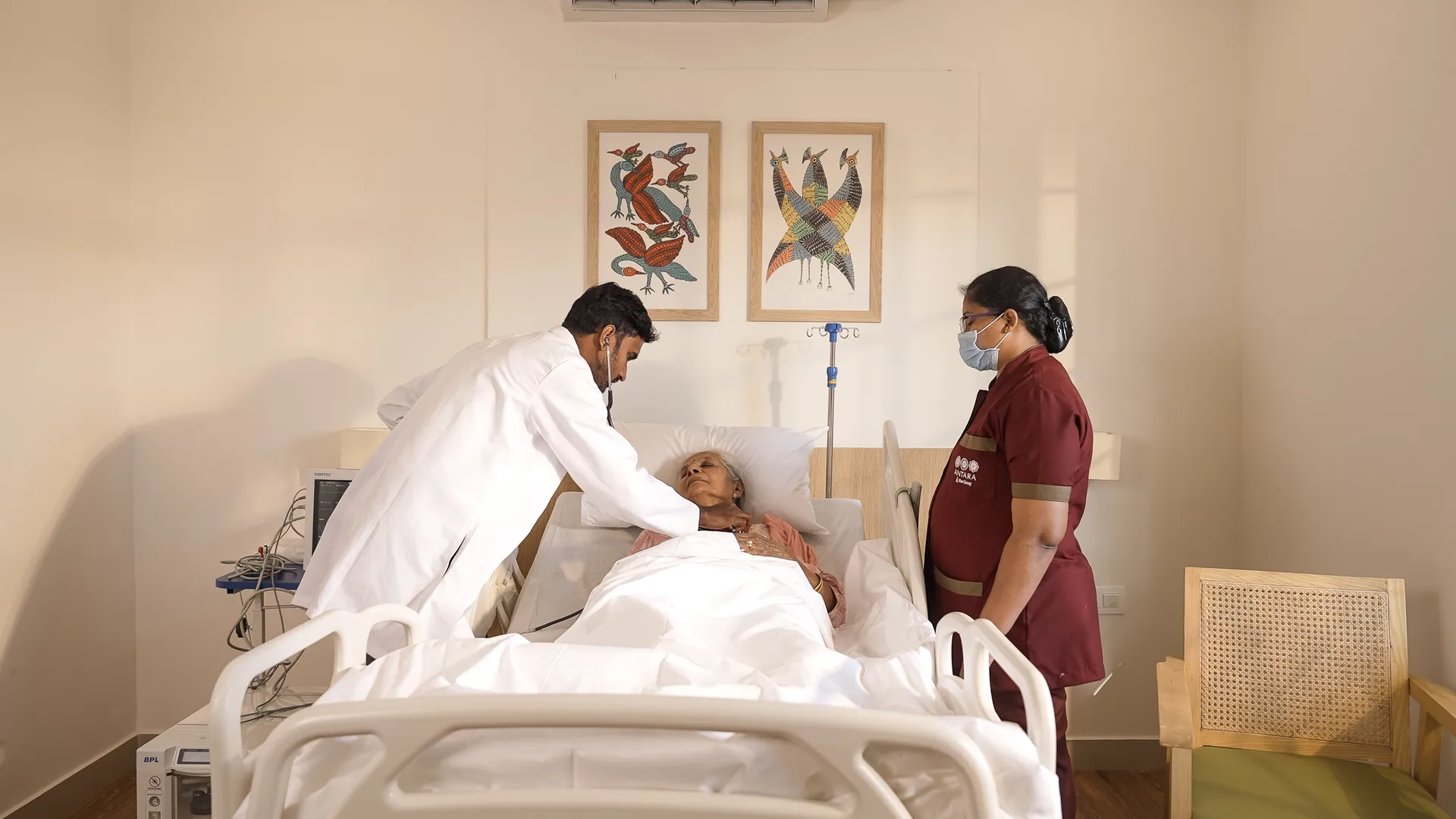
Why Do Some Patients Need a Catheter After Hospitalization?
A catheter is a thin tube that helps drain urine from the bladder. It is needed when a person is unable to pass urine naturally.Some patients may need it for a short period and others can require it for a longer time as per the health condition.
There can be several reasons why a patient needs a catheter after hospitalization:
● After surgery
● Stroke or neurological conditions:
● Urinary retention
● Spinal cord injuries
● Prolonged illness or bed rest
What Does Catheter Care After Hospital Discharge Involve?
After hospital discharge, proper catheter care is important to prevent infections. Professional nurses will also check and drain properly. Family members or caregivers need to follow a regular care routine at home if you are caring for a person at home. There are some important steps involved in catheter care that include that you should pay attention.
● Keeping the catheter clean
● Checking urine flow
● Managing the urine bag
● Maintaining personal hygiene
● Monitoring urine
● Following medical advice:
Follow these steps and check regularly to prevent infections and to maintain hygiene.
Common Catheter-Related Complications Families Should Watch For
Patients with a catheter may sometimes develop complications, especially when proper care is not maintained. One common problem is catheter-associated urinary tract infection (CAUTI). It is an infection that develops when germs enter the urinary tract through the catheter.
Families should watch out for the following signs:
● Fever or chills: These may indicate an infection.
● Cloudy or foul-smelling urine: This can sometimes be a sign of a urinary infection.
● Pain or discomfort: Patients may experience pain in the lower abdomen or around the catheter.
● Urine leakage: Urine may leak around the catheter if there is a blockage or another problem.
● Reduced urine flow: If urine is not draining properly, the tube may be blocked or bent.
● Blood in urine: Blood in the urine needs medical attention, especially if it is new or accompanied by pain.
Do not ignore these signs. Contact the doctor if you notice any changes. If the patient develops fever with chills, severe pain, confusion or very little urine output, seek prompt medical attention.
Why Do Patients Need Professional Catheter Nursing Care?
Taking care of a catheter-dependent patient at home is not always easy. Families don't always understand how to clean and manage the urine bag. A professional nurse easily manages the catheter and identifies the signs of infection.
Professional catheter nursing care helps manage these daily needs. Trained nurses know how to maintain hygiene, check urine flow, empty the drainage bag and monitor the patient's condition. They can also identify early signs of complications and inform the doctor when medical attention is needed.
For patients who need long-term catheter support, regular nursing care becomes even more important. It helps families manage their loved one's daily needs without having to handle every medical task on their own.
What Is Bladder Training and When Is It Needed?
Bladder training is a process that helps patients gradually regain control over their bladder and pass urine naturally. It may be recommended for patients who have difficulty emptying their bladder or have lost bladder control due to certain medical conditions.
The process depends on the patient's bladder function and overall health. A doctor may first assess whether the patient is ready to try passing urine without a catheter.
In some cases, bladder training may involve following a planned toilet routine and monitoring bladder function. Catheter removal or any trial without a catheter should only happen under medical supervision.
Not every catheter-dependent patient needs bladder training. The doctor decides whether it is suitable based on the patient's condition.
Catheter Care for Elderly Patients: What Families Should Know
Elderly patients may need extra attention when living with a catheter. Age-related health conditions, reduced mobility and other medical problems can make daily catheter care more challenging.
Families should make sure that the catheter is clean, the urine bag is placed properly and urine is draining without any difficulty.
It is also important to maintain personal hygiene and watch for signs of infection. Some elderly patients may not be able to explain their discomfort clearly. Changes in behaviour, confusion or unusual weakness should not be ignored.
Proper nutrition, hydration as advised by the doctor and regular medical monitoring also support their overall health. Professional nursing support can make daily care easier for both patients and families.
How Antara Supports Patients Who Need Continued Medical Care
A patient who needs catheter care needs professional support. As family members cannot always be there for the patient. At Antara Care Homes, we provide 24*7 caregiver & nursing care to patients to manage their daily care needs & health conditions.
Trained nurses help with catheter care, and regular monitoring. Patients can also get regular monitoring, nutrition support, and physiotherapy and other therapies based on their health condition.
Antara provides a recovery-focused environment that includes emergency buttons, anti-skid flooring, grab bars, and toilet support. Here patients can receive the care they need under one roof. Families can also get support with insurance and TPA-related processes. With professional nursing support and caregiver & personalized care plan, patients recover faster.
Conclusion
Life after hospitalization can be challenging for patients who depend on a catheter. Regular catheter care, hygiene, and medical monitoring are important to prevent complications. With professional nursing support & rehabilitation, patients can manage their daily needs more comfortably, while families get the support they need during this period.