Life After Tracheostomy: Can Patients Recover and Get Back to Daily Activities?
Tracheostomy can bring many changes to a person's daily life. Simple activities like eating, speaking, moving around, or spending time with family may become difficult. This can also be a challenging time for family members who are learning how to care for their loved ones. But does life always remain the same after a tracheostomy? Not necessarily. Many patients can improve their health, regain strength, and return to some of their daily activities with the right medical care and rehabilitation. In this blog, you will know how important tracheostomy rehabilitation is to get back to normal activities.
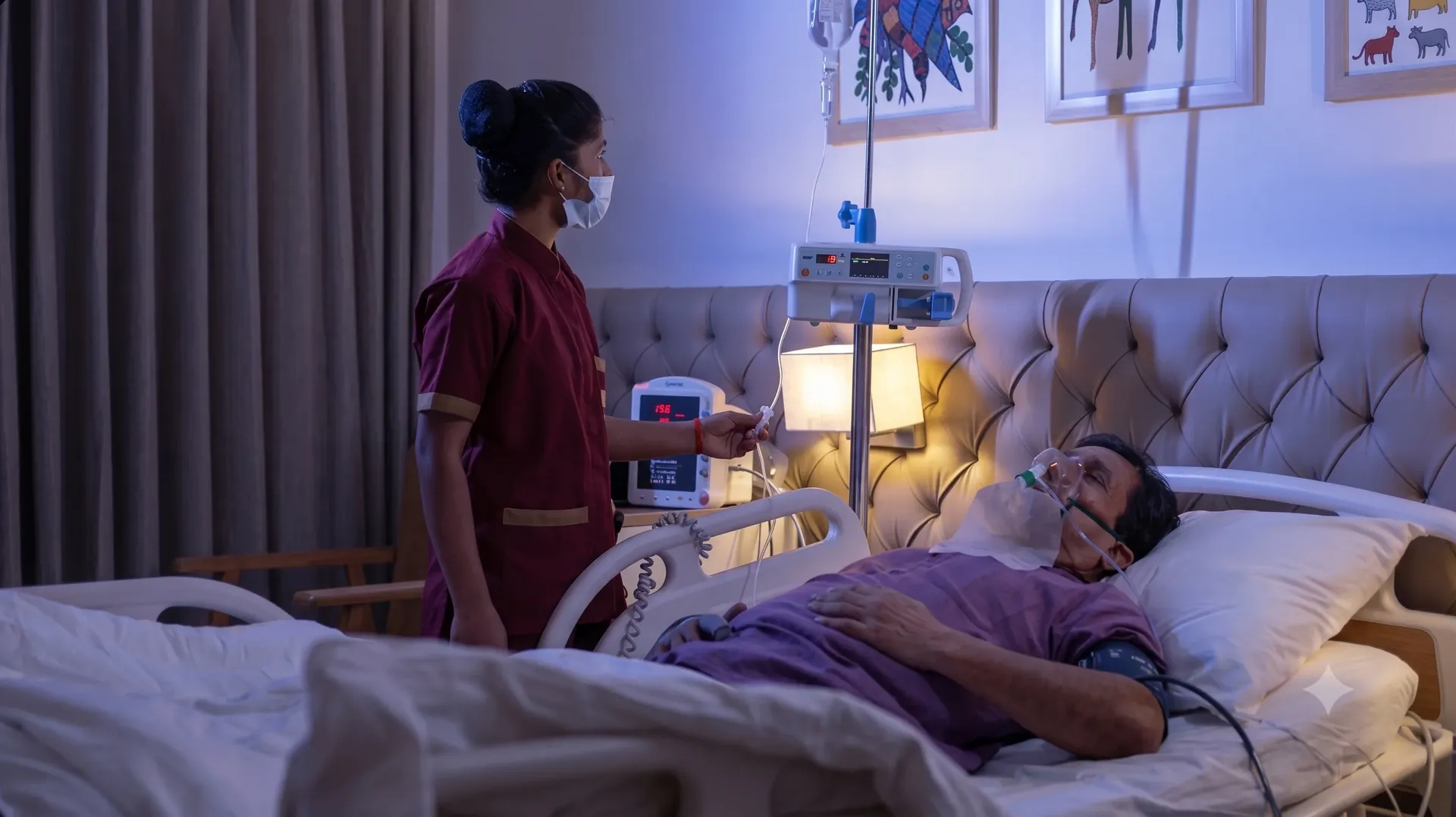
Can Patients Recover and Live a Normal Life After Tracheostomy?
Yes, many patients can lead a comfortable and active life after a tracheostomy. But actual recovery depends on the procedure, the patient's overall health, and other medical conditions.
Some patients need the tracheostomy tube only for a few weeks or months, but older adults or people with serious issues need it for a longer period. A proper rehabilitation such as Antara Care Home offers proper medical care, nutrition, and rehabilitation. Here patients gradually improve their strength and ability to perform daily activities.
What Does Life with a Tracheostomy Look Like?
Life with a tracheostomy is difficult for everyone. As patients and families need time to adjust to the tube and daily care routine.
Patients need regular tube cleaning, suctioning, and taking care of the opening in the neck. They may also need help with bathing, dressing, eating, and moving around, depending on their condition.
Sometimes speaking and swallowing is also difficult for patients. Many times people cannot communicate, they require help of special speaking valves. Tracheostomy rehab offers therapies and environment that helps in recovery and in gaining strength.
How Can Patients Regain Independence After Tracheostomy?
After tracheostomy, some patients may feel weak. Weakness makes the patient dependent for small activities like walking and eating. This is common in patients who have many
Rehabilitation can help patients gradually regain their strength and confidence. The recovery plan depends on their health and ability to participate in therapy.
Some important rehabilitation activities include:
Physiotherapy: Helps improve muscle strength, joint movement, and balance. It also helps patients gradually start sitting, standing and walking, depending on their condition.
Chest Physiotherapy: Helps manage mucus and clear secretions from the lungs, making breathing easier.
Breathing Exercises: These may help improve breathing control and lung function, as advised by the medical team.
Speech and Swallow Therapy: Helps patients work on communication and swallowing difficulties, wherever appropriate.
Daily Activity Training: Helps patients practice simple activities like eating, dressing, grooming, and moving from the bed to a chair.
When Can a Tracheostomy Tube Be Removed?
A tracheostomy tube can be removed when the patient is medically ready to breathe safely without it. This process is also called decannulation.
But not every patient's tube is removed. The expert checks several factors before making this decision. These include:
● Whether the patient can breathe comfortably without support.
● Whether they can cough and clear mucus from their airway.
● Whether they can manage their saliva and secretions.
● Whether their airway is clear and there is no major blockage.
● Whether they can swallow safely, wherever relevant.
In some cases, doctors may first reduce the tube size or use a speaking valve or capping trial to check how the patient manages. The decision to remove the tube is always taken by the treating medical team after proper assessment.
Common Challenges Patients Face While Living with a Tracheostomy
Living with a tracheostomy brings physical and emotional challenges. Patients may take time to adjust to the changes in their daily routine.
Some common challenges include:
● Difficulty in speaking
● Mucus and secretions
● Swallowing difficulties
● Risk of infection
● Emotional stress
How Can Professional Care Support Patients After Tracheostomy?
Professional care is very important after surgery and conditions like tracheostomy. It is not easy to manage a patient with a tracheostomy at home. Families need to be in alert mode all the time. As the tracheostomy tube also demands attention for its regular care like cleaning, suctioning, and checking if it is working fine, there are no blockage issues.
Professional care makes it comfortable for both families and patients. Experts know what to check at the right time. It reduces the risk of readmissions and complications.
Antara Care Homes like rehabilitations offers a personal caregiver that supports your loved one's daily activities, and nurses will track everything from time to time. Your loved one will also be able to get the therapies required at the right time and a recovery focused environment.
You also don't have to burden yourself financially as antara provides TPA & insurance support. You will get an in-house physiotherapy lab and pharmacy.
Frequently Asked Questions
1. Can tracheostomy patients speak normally?
Generally, patients face difficulty speaking after tracheostomy. It requires regular care and monitoring. With proper rehabilitation, patients recover faster, and they began to speak normally without any additional support.
3. Can a patient with a tracheostomy eat and drink?
Yes, many patients can eat and drink if their swallowing is safe. A doctor can assess the patient and suggest if they require speech & swallow therapy or not.
4. Can elderly patients recover from tracheostomy?
Yes, elderly patients can improve with proper medical care, nutrition, and rehabilitation. Elderly patients require professional care to recover faster.
5. How long does it take to recover from a tracheostomy?
Recovery time varies from patient to patient. It depends on the reason for the procedure and the patient's medical condition.
6. Can a tracheostomy be permanent?
Yes, some patients may need a permanent tracheostomy due to long-term breathing or airway problems.
Conclusion
Life after a tracheostomy may take some time to adjust to, but patients do not have to manage everything on their own. With proper nursing care, medical supervision and rehabilitation, they can work towards better health and greater independence. The right support can also make the recovery journey easier for families.