When Should You Visit a Physiotherapy Clinic? Signs You Should Not Ignore
Most of us ignore a sore back or a stiff knee and hope it gets better with some rest. Sometimes it does get better. But many times the pain stays, and slowly the body starts moving in the wrong way to avoid it. This is where things get worse. Knowing the signs you need physiotherapy can help you get the right treatment before a small problem turns into a big one.
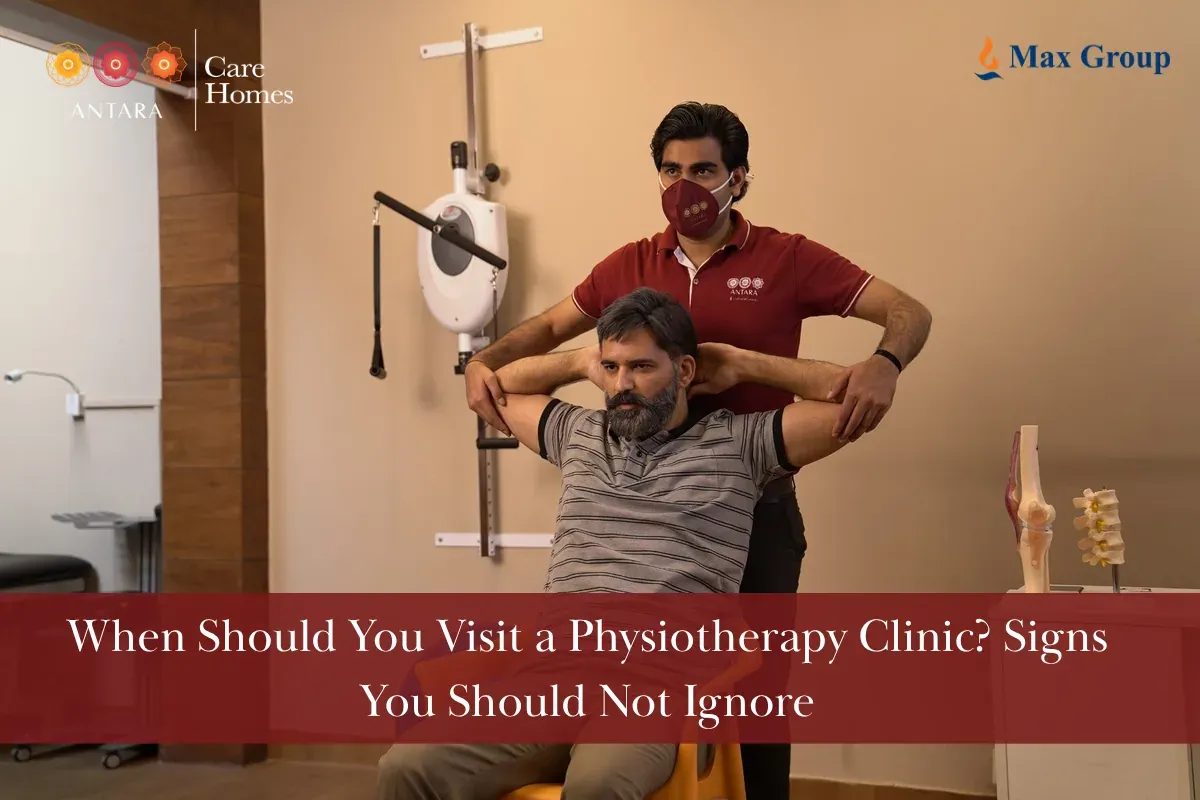
7 Signs It Is Time to Visit a Physiotherapy Clinic
Not every pain needs a physiotherapist. But if you are facing any of the below problems, it is better to visit a physiotherapy clinic.
1. Pain that has not gone away for weeks
A muscle pull or a minor sprain usually gets better in a few days. If the pain is still there even after three to four weeks, it is a sign that something is not healing properly. A physiotherapy assessment can help you find out the real reason behind it.
2. Stiffness that stops you from moving freely
Not being able to turn your neck while reversing the car could be a sign of joint stiffness. The same goes for struggling to lift your arm to reach the top shelf. If the stiffness is left untreated, the muscles around the joint also become weak over time. Do not wait for it to get worse.
3. Pain that keeps coming back
If your back pain goes away and then comes back again after a few months, it should not be taken lightly. This kind of repeated pain usually has a cause behind it. Physiotherapy for pain works on finding and treating that cause, instead of only giving relief for a few days.
4. Losing balance or almost falling
Taking the support of a wall on the stairs or leaning on the furniture could be one of the early signs of imbalance. This is very common in elderly parents, and many families do not notice it until a fall happens. A physiotherapist can help improve balance and lower the chances of a fall.
5. Daily tasks have become difficult
Getting up from a chair, carrying groceries or getting into a car never has to be this tough. If these simple tasks are taking a lot of effort, it means your strength has gone down. With the right exercises, this strength can be built back.
6. Recovering after surgery, injury or a hospital stay
A knee replacement, a fracture, a stroke or even a long stay in the hospital can leave the body weak. Physiotherapy helps you get back your strength and movement in a safe way. Trying to do it on your own at home can sometimes slow down recovery.
7. You have stopped doing things you enjoy
If you have stopped going for your evening walk or visiting the temple because of pain, do not ignore it. Pain should not control your life. A good physiotherapy clinic can help you get back to the activities you love.
Knowing when to visit a physiotherapy clinic can help you address persistent pain, stiffness, muscle weakness, and movement difficulties before they begin affecting your daily routine. Symptoms such as recurring back pain, joint discomfort, reduced flexibility, balance problems, or difficulty walking may indicate the need for professional assessment. Physiotherapy improve mobility, restore strength, manage pain, and support recovery after injuries or surgery. Seeking timely guidance from a qualified physiotherapist can help you understand the cause of your symptoms and develop a suitable treatment plan
What Happens During a Physiotherapy Consultation?
During the first visit, the physiotherapist will mostly talk to you and understand your problem. They will ask you where it hurts, since when the pain has been there and which daily tasks feel difficult. After that, they will check how you stand, walk and move. With the help of this physiotherapy assessment, a treatment plan with clear goals is made for you. At the Antara physiotherapy clinic, this plan is led by a PM&R doctor. If you need more than exercises, occupational therapy, speech therapy and nutrition support are also available.
When Should You See a Doctor First?
Some problems need a doctor's attention before you start physiotherapy. If you have sudden severe pain after a fall, chest pain or weakness on one side of the body, see a doctor immediately. Back pain along with fever or sudden weight loss also needs a doctor.
FAQs
- Do I need a doctor's referral to visit a physiotherapy clinic?
In most cases, you can directly book an appointment. But some insurance plans may ask for a referral, so it is better to check your policy first.
- How many physiotherapy sessions will I need?
This depends on your condition. Some people start feeling better in a few sessions, while recovery after surgery or a stroke can take a few weeks.
- How do I choose the best physiotherapy clinic?
The best physiotherapy clinic will have trained physiotherapists, do a proper physiotherapy assessment first and give you a clear treatment plan.
- Is physiotherapy painful?
You may feel a little sore after some sessions, but it should not cause sharp pain. If it does, tell your physiotherapist so that the exercises can be changed.
Conclusion
Pain often starts small, and many of us keep ignoring it until it starts affecting our daily life. A physiotherapy clinic is not just for sports injuries. It is for anyone who is finding it difficult to move the way they used to. If you or your parents are facing any of the signs mentioned above