Loader

Loading...

arrowBACK

How Retirement Homes Are Safe for Seniors with Chronic Health Conditions?

2026-03-20

As people grow older, managing chronic conditions like diabetes, heart disease, arthritis, or dementia becomes a daily challenge. These health issues often require regular monitoring, timely medication, and ongoing medical support. While families try their best to provide care at home, it can become difficult to manage everything consistently, especially when the needs are complex.

Senior retirement homes are designed to support elderly individuals with structured care, medical supervision, and a safe living environment. They offer not just assistance with daily activities but also help in managing long-term health conditions in a more organized way.

According to global health research, a majority of older adults live with at least one chronic condition, and many require continuous care and supervision to maintain their quality of life. This makes it important to explore care options that can provide both medical support and comfort in the long run.
Expert Senior Care, Apno Jaisi
blog

What Are the Most Common Chronic Conditions in Seniors?

Here are the same points in a simple, easy-to-read pointer format:

  • Diabetes: Affects blood sugar levels and needs regular monitoring and medication.
  • Hypertension (High Blood Pressure): Can lead to serious heart issues if not controlled.
  • Arthritis: Causes joint pain, stiffness, and difficulty in movement.
  • Heart Disease: Requires continuous care, proper diet, and medical supervision.
  • Dementia: Leads to memory loss, confusion, and difficulty in daily activities.
  • Stroke-related Complications: Can impact mobility, speech, and overall independence.

Managing these conditions at home can be difficult without proper support. This is why many families explore retirement homes for better care. Searching for retirement homes near me helps find nearby options with medical support. These homes provide regular monitoring, safety, and a structured routine for seniors.

How Senior Retirement Homes Help in Managing Chronic Conditions

Senior retirement homes play an important role in helping seniors manage chronic conditions in a safe and structured environment. These conditions often require regular monitoring, timely medication, and ongoing medical support, which can be difficult to manage at home.

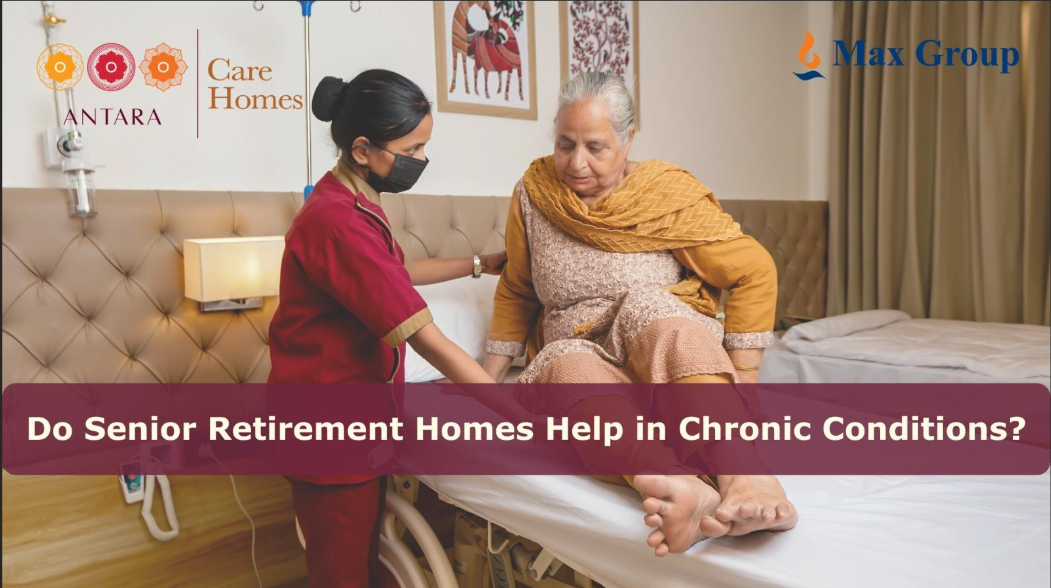
In retirement homes like Antara Care Homes, seniors receive 24×7 care and supervision from trained caregivers and nursing staff. This ensures that their health is continuously monitored, and any early signs of complications are addressed quickly. Proper medication management is also maintained, so seniors never miss their doses.

Many retirement homes also provide access to doctors and emergency care, which is crucial for seniors with conditions like heart disease, diabetes, or stroke-related complications. In addition, services like physiotherapy and rehabilitation help improve mobility and overall health. Luxury retirement homes impact the lifestyle of seniors positively.

Another important aspect is nutrition and lifestyle management. Seniors are given balanced, condition-specific meals that support their health needs.

Beyond physical care, retirement homes also focus on emotional and mental wellbeing. Social interaction, daily activities, and a supportive community help reduce stress and loneliness.

When Should You Consider a Retirement Home for Chronic Care?

Here are some of the signs that might indicate that your elders need a retirement home for a more comfortable life.

  • Frequent hospital visits: When a senior needs repeated medical attention or emergency care.
  • Difficulty managing medications: Missing doses or confusion about prescriptions.
  • Increased dependency: Needing help with daily activities like bathing, eating, or moving.
  • Worsening health conditions: Chronic illnesses becoming harder to manage at home.
  • Lack of continuous monitoring: No one available for 24×7 supervision.
  • Caregiver burnout: Family members feeling physically or emotionally exhausted.
  • Safety concerns at home: Risk of falls, accidents, or medical emergencies.
  • Memory-related issues: Conditions like dementia leading to confusion or wandering.
  • Post-hospital recovery needs: After surgery, stroke, or major illness requiring rehabilitation.

Searching for better care options: Many families start looking for retirement homes or retirement homes near me when care needs become more complex.

Retirement Homes vs Home Care for Chronic Conditions

When choosing between retirement homes and home care, it’s important to understand the key differences:

Retirement Homes

  • 24×7 medical supervision and trained caregivers
  • Structured routine for medication, meals, and daily care
  • Immediate access to doctors and emergency support
  • Suitable for complex or multiple chronic conditions
  • Senior-friendly infrastructure for safety and fall prevention
  • Access to physiotherapy and rehabilitation
  • Social interaction and community living
  • Reduces burden on family members

Home Care

  • Comfort of staying in a familiar environment
  • One-on-one care (depends on caregiver availability)
  • Limited medical supervision unless arranged separately
  • Slower emergency response in some cases
  • Can become costly for 24×7 care
  • Lack of structured routine and continuous monitoring
  • Higher dependency on family members
  • Risk of isolation and limited social interaction

Why Antara is a Trusted Choice for Seniors with Chronic Conditions

Antara is known for its best senior care facilities, and it stands as a best old age home and retirement home.

  • 24×7 Medical Care & Monitoring
    Continuous supervision by trained nurses and caregivers ensures early detection of health issues and timely intervention.
  • Personalised Care Plans
    Each resident receives a customised care plan based on their medical condition, lifestyle needs, and recovery goals.
  • Doctor Supervision & Emergency Support
    Regular doctor visits and strong emergency response systems provide added safety and peace of mind.
  • Expert Management of Chronic Conditions
    Specialised care for conditions like diabetes, hypertension, dementia, and post-stroke complications.
  • Rehabilitation & Physiotherapy Support
    Access to structured rehab programs that help improve mobility, strength, and independence.
  • Medication Management
    Timely administration and tracking of medicines to avoid missed doses or errors.
  • Senior-Friendly Infrastructure
    Safe environment with features like grab bars, anti-skid flooring, and emergency response systems.
  • Nutritious, Condition-Specific Meals
    Balanced diets tailored to individual health needs and medical conditions.
  • Emotional & Social Wellbeing
    Community living, activities, and engagement help reduce loneliness and improve mental health.
  • Holistic Approach to Care
    A blend of healthcare, safety, comfort, and dignity to enhance overall quality of life.

Conclusion

In conclusion, managing chronic conditions in seniors requires consistent care, medical supervision, and a safe environment. While home care may work for mild needs, it often becomes challenging as health conditions progress. Retirement homes offer a more structured approach with 24×7 support, timely medication, and access to healthcare professionals. They also ensure safety, proper nutrition, and emotional wellbeing through community living. Choosing the right care option can significantly improve a senior’s quality of life. For families, it brings peace of mind knowing their loved ones are in a secure and supportive environment designed to meet their evolving health needs.

Other Blogs

    View All
    Corner Design

    Get In Touch

    Please fill in the form and submit the details to request an appointment.