Patient Caregiver for Post-Hospital Recovery: When Do You Need One?
It can be a refreshing experience to return to your home after being admitted to the hospital, but that can also mean unexpected hurdles on the way to recovery. Patients might require greater support than families realise, from handling medicine to helping them with their daily activities. A patient caregiver for post-hospital recovery can help to fill the gap between hospital treatment and a comfortable recovery at home. No matter if a person has had surgery, suffered from a disease or requires additional support following a hospital stay, the proper care can help everyday recoveries be safer and less stressful.
Why Is Care Important After Hospital Discharge?
Discharging doesn’t mean that a patient has regained strength or independence. Normal activities might be challenging because of weakness, pain, loss of mobility and fatigue. If a patient is not cared for properly, they may have difficulties with self-care, eating, walking or following their treatment plan.
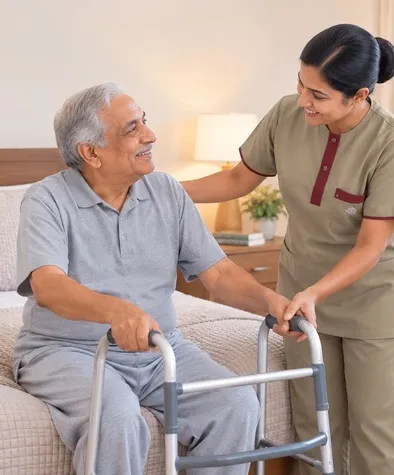
After hospital stays, a patient continues to follow a healing course at home. A post-hospital care at home can support regular activities, notice signs of change in the patient's condition, and support the family to follow discharge prompts.
Comfort and dignity are further promoted by appropriate patient care after discharge. Timely support allows families to manage their responsibilities, and also give their loved one consistent care during recovery, which can be provided at the right time.
When Do You Need a Patient Caregiver After Hospitalisation?
The requirement of a caregiver after hospital discharge is dependent on the patient's condition, mobility and ability to function independently in everyday activities. These are some of the situations where extra help can be of great assistance:
● After surgery: After a surgical treatment, the post-surgery caregiver at home can help with movement, personal care, feeding and routine activities after surgery.
● For older adults: When weakness, challenges to balance, or other health problems make it difficult to do daily activities, recovery care for elderly patients can be helpful.
● After a serious illness: If a patient has suffered from a serious illness, such as a bacterial infection, cardiac event or other major illness, they might require help with their daily activities.
● When family members are unavailable: If family members are unable to be with the patient throughout the day, a patient caregiver at home can offer practical support.
If care requiring special medical techniques is required, provide qualified nursing attention instead of just a general caregiver.
What Services Does a Post-Hospital Caregiver Provide?
The home caregiver for recovery can assist with daily needs according to the condition and care plan of the patient. Common responsibilities include:
● Assisting patients in moving around and changing positions as needed.
● Encourage meals, fluids, and a relaxing sleep.
● Giving reminders for prescribed medicines (not changing doses).
● Assisting patients with daily care and keeping the room neat and tidy.
● Monitoring for comfort/changes in behavior and notifying family.
Generally, the role of the patient attendant after hospital discharge becomes more focal on a day-to-day basis after a patient leaves a hospital. Injection, wound care and other clinical procedures should be performed by a qualified health care professional.
Benefits of Hiring a Caregiver During Recovery
Patients and families may be able to recover more easily with professional help. A caregiver helps with the details of living and lets family members be emotional without getting involved in the day-to-day.
Key benefits include:
● Greater comfort: The patient can recover in a familiar environment.
● Safer mobility: Support can help eliminate unnecessary hazards while moving or carrying out everyday tasks.
● Consistent routines: Routines are crucial in helping patients complete their recovery plans.
● Reduced family stress: Families can divide up caregiving and work with less stress.
● Support for independence: Professional advice is followed and patients are supported to gradually return to activity.
A competent caregiver is reliable, but doesn't strip the patient of dignity and autonomy.
How Long Do You Need a Caregiver After Discharge?
The time will vary based on the procedure, illness, age, mobility and recovery. Some patients require assistance for a few days or weeks while others may benefit from several weeks or even longer.
During home care after hospitalisatio, periodically check on patients and adhere to recommendations of the treating physician. The NHS guide to care after leaving hospital provides guidance on hospital discharge and planning for continued care. Care may be decreased as strength and independence increase. There may be ongoing weakness, inability to move around or more complex care demands, however, that need further support.
Families need to understand with the health care team what to expect when it comes to the phase of decreasing support.
How Antara Care at Home Supports Recovery
Antara Care at Home provides care for patients at home. Depending upon the needs of the family, they can learn about nursing care, personal care and physiotherapy services.
Our patient services are available after discharge and offer the support needed in various aspects of recovery ranging from helping with daily tasks to professional nursing care and rehabilitation. The type of service will be based on the patient's condition and care plan.
Discuss patient needs, required hours, and clinical responsibilities with the provider us before arranging for support. We can assist families to find appropriate help to aid the recovery process in a more comfortable manner.
Frequently Asked Questions
- Does a caregiver need to be on the scene after each hospital stay?
No. If a patient can be independent in daily activities, they may not require one. This depends on their health and doctor's advice.
- Is there a caregiver that can assist following surgery?
Yes. A caregiver will be able to help with the day to day functions and mobility. There must always be those who have the appropriate qualifications for clinical procedures.
- Do caregivers and nurses mean the same thing?
The care provided by caregivers is usually of a nature that is required for daily maintenance and activities, while the qualified nurses provide professional nursing care within their scope of practice.
Conclusion
Patients' recovery in most cases continues even after leaving the hospital. With the right assistance, everyday activities can be made easier, family stress lowered and patients can be made as independent as possible at a comfortable pace. Consider patient mobility, medical requirements, and family support prior to making a decision. Families can help to make their home recovery experience more comforting, with proper care and guidance. Antara Care at Home provides families with care choices they can consider based on the needs of their loved ones.