How to Take Care of a Ventilator Patient at Home?
A ventilator assists the patient with breathing when the lungs and/or the muscles used for breathing are not able to work properly on their own. People according to their medical situation may need it after an operation or a serious illness that leads to breathing issues. A lot of patients seek ventilator care at home. It is a complicated procedure that involves the proper management of the ventilator, as well as frequent health evaluation and professional support, which must be done at home in order to keep patients safe.
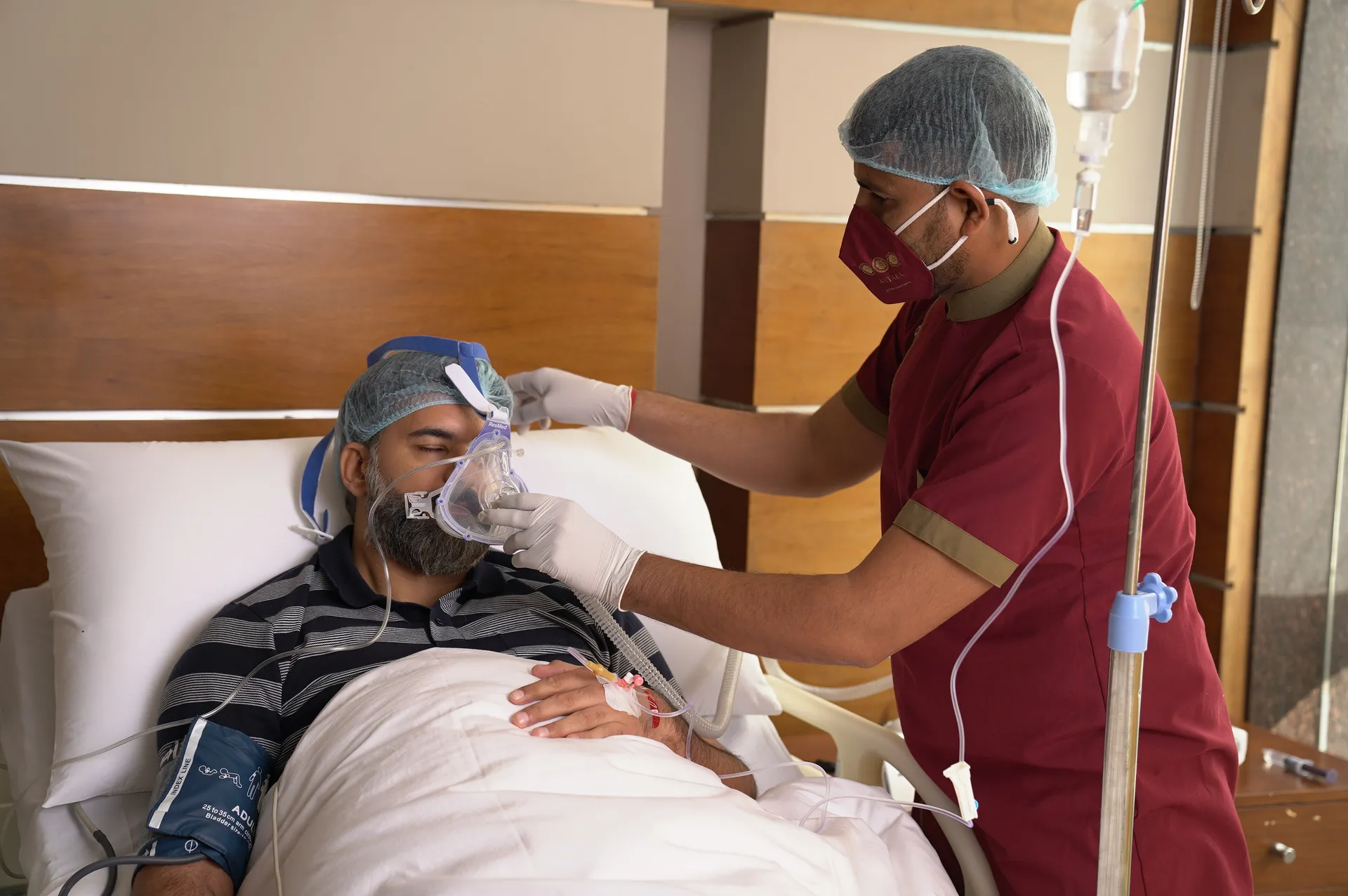
Why Do Patients Need Ventilator Support at Home?
Some medical conditions affect a patient's ability to breathe without the ventilator support. Some conditions that affect breathing are chronic obstructive pulmonary disease (COPD), neuromuscular disorders, spinal cord injuries, severe respiratory infections and neurological problems.
Following extended hospital stays, some patients move on to home care when they are stable enough to leave hospital. Others need prolonged long-term ventilator support as their respiratory muscles are not effective.
How to Take Care of a Ventilator Patient at Home
Taking care of a patient who needs a ventilator goes beyond just making sure it is plugged in. There are a few things to consider when taking care of everyday needs:
- Monitor the ventilator and its equipment
Ensure ventilator, breathing circuit, power source and connections are operating as directions. Ensure back-up equipment, batteries and emergency supplies are available. React quickly to alarms and call the medical staff if the equipment is faulty. Never adjust ventilator settings without permission.
- Maintain airway hygiene
A patient may have a tracheostomy and need to have his/her airway suctioned frequently to clear mucus. Maintain a clean, dry opening to the tracheostomy, as directed for cleaning.
- Follow infection prevention practices
Wash hands before and after providing care. Wash and dust re-usable equipment as per manufacturer's procedures. Do not expose patients to unnecessary respiratory irritants, strong fragrances and cigarette smoke.
- Ensure comfortable positioning
Move patients bedridden to minimize risk of pressure injuries as per care plan. Ensure correct upper body position and head position as recommended by the treating doctor, especially when feeding.
Nursing Care of a Patient on a Ventilator: What Does It Involve?
The nursing care of patient on ventilator includes constant watching, respiratory support and patient holistic health care. This is a different kind of care giving and necessitates special clinical skills.
Professional nurses monitor ventilator alarms, verify recommended ventilator equipment settings and detect changes that could signal respiratory distress.
This approach of home nursing care for ventilator patients becomes important when they require multiple monitoring or support needs during the day and/or night who are cared for at home on a ventilator.
Common Challenges in Caring for Ventilator Patients at Home
Being a family member of someone who requires a ventilator can be a great responsibility. Equipment alarms, power interruptions, mucous buildup and unexpected changes in breathing can result in stressful situations while caring for a ventilator-dependent patient.
As per the studies , Pressure injuries, muscle weakness and discomfort from lack of movement may also occur in bedridden persons. These medical duties, combined with the needs of the household can be challenging without the proper support of trained medical professionals, particularly for families who takes care of bedridden patients on ventilator.
When Do Ventilator Patients Need Professional Nursing Support at Home?
When patients need round-the-clock care, advanced airway support, or multiple medical procedures, the professional nursing help becomes critical.
Trained support should be considered if:
● A patient needs frequent suctioning and/or tracheostomy care.
● Respiratory issues are a challenge to care for independently.
● The patient is unable to express pain or difficulty in breathing.
● Clinical skills are needed for medication administration and monitoring.
● Family caregivers are not able to have overnight duties.
In cases like this, 24/7 nursing care for ventilator patients could help keep the continuity of care. It also enables family to concentrate on emotional care and the trained staff to take on clinical duties.
How Can Antara Care at Home Support Ventilator-Dependent Patients?
Care for a patient on a ventilator is a coordinated and individual care process. Antara Care at Home provides nursing and personal care services to care for the evolving health care needs of patients in a comfortable environment.
Our care ethos is based around professional support, individual care plans and continuity of care. Families who are seeking ventilator patient care at home can reach out to Antara's care team to communicate their needs, assessment and the availability of appropriate care and support for ventilator specific patients at home.
If you notice any of these symptoms, seek immediate medical attention. Antara Care at Home offers nursing and personal care services designed to address the changing healthcare needs of patients in familiar surroundings.
Warning Signs That Require Immediate Medical Attention
Some symptoms can be signs of a serious complication of the respiratory system. If the patient has any of the following symptoms, obtain urgent medical help:
● bluish lips, fingertips or other changes in skin color.
● Footage of repeated alarms from the ventilator or equipment failure.
● Rapid decrease in oxygen saturation, below the specified level.
● Unusual sleepiness, confusion or decreased responsiveness.
● Suspected tracheostomy blockage or displacement.
Frequently Asked Questions
- Is there a way for a ventilator-dependent patient to be cared for at home?
Yes. Home ventilation may be provided for stable patients with appropriate equipment, trained family and medical supervision.
- Is 24-hour care from a nurse necessary for patients with a ventilator?
Many patients will require on-going monitoring, especially if they have invasive ventilation or are otherwise medically complex. They are referred to a doctor, who will decide on the necessary care.
- Do family members have the ability to care for a ventilator without assistance?
Families will be introduced to some basic care routines but specialist responsibilities will require training and support.
- What home ventilator equipment does someone require?
Equipment might range from a ventilator and a back-up power supply, to a suction machine, humidifier and pulse oximeter, depending on the patient's condition.
Conclusion
There is a need to prepare and be vigilant while taking care of a person who uses a ventilator at home, and providing consistent medical support. All of its functions are towards patient safety from respiratory equipment maintenance to health changes monitoring. Families can help patients get the attention they deserve with professional nursing support and personalised care planning, helping to provide a supportive environment.