



































Loading...
Paralysis can be a life-altering condition, affecting movement, independence, and overall quality of life. Whether caused by a stroke, spinal cord injury, or other neurological conditions, recovery often requires timely, structured, and expert-led rehabilitation. At Antara, we provide comprehensive paralysis care designed to support patients and their families through every stage of recovery.
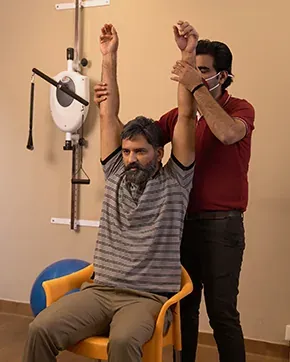
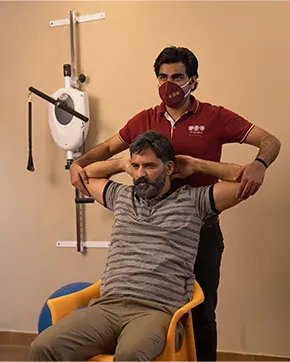
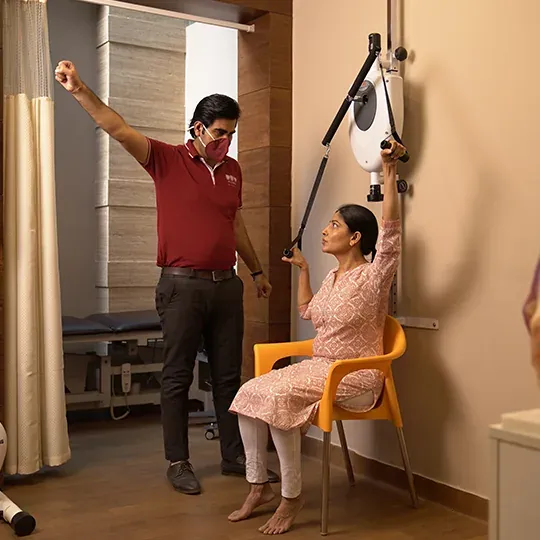
Our approach focuses on personalized care, combining physiotherapy, occupational therapy, speech and swallow therapy, and continuous clinical monitoring to ensure safe and steady progress. With a multidisciplinary team and evidence-based rehabilitation protocols, we aim to restore mobility, improve daily functioning, and rebuild confidence.
At Antara, we understand that recovery is not just physical—it is emotional and psychological too. That’s why our care plans are designed to be holistic, helping patients regain independence with dignity while ensuring families feel supported throughout the journey.
Every paralysis recovery journey is different, which is why Antara offers flexible care durations based on the patient’s condition, stage of recovery, and medical needs.
Our team regularly assesses progress and adjusts the duration and intensity of care to ensure the best possible recovery outcomes.
Paralysis rehabilitation requires the right level of care intensity to ensure safe and effective recovery. At Antara, we offer different levels of care based on the patient’s medical condition, mobility, and support needs.
Our clinical team continuously evaluates the patient’s progress and adjusts the intensity of care to maximise recovery while ensuring comfort and safety.
Antara’s care homes are designed to provide a safe, structured, and rehabilitation-focused environment for individuals recovering from paralysis. Every aspect of the setup is tailored to support mobility, prevent complications, and enable effective therapy.
Loading...
At Antara, paralysis care follows a structured, step-by-step approach designed to ensure safe, consistent, and outcome-driven recovery for every patient.
The journey begins with a detailed evaluation of the patient’s medical history, type and extent of paralysis, mobility levels, cognitive function, and overall health. This helps our team understand the patient’s current challenges, risks, and recovery potential.
Based on the assessment, our experts design an individualised rehabilitation plan with clearly defined goals, therapy frequency, and measurable milestones. The plan is tailored to the patient’s condition, ensuring the right balance of therapies and medical support.
Patients undergo regular, guided therapy sessions including physiotherapy, occupational therapy, speech and swallow therapy, and respiratory care as needed. Each session is focused on improving strength, coordination, mobility, and independence in daily activities.
With 24×7 nursing care and clinical supervision, patients receive ongoing monitoring to ensure safety, timely interventions, and proper management of medical needs such as medications, nutrition, and vital parameters.
Recovery is closely tracked through regular assessments and measurable outcomes. Based on progress, therapy plans are adjusted to maintain momentum, address challenges, and ensure the patient continues to move toward greater independence and improved quality of life.
Loading...
Antara’s clinical team consists of experienced healthcare practitioners who offer continuous monitoring, medication management, wound care, and comprehensive rehabilitation services tailored specifically for senior patients.

Loading...

Contrary to popular belief, Dementia and age have no direct correlation. It is entirely different than normal old age forgetfulness.
Dementia is an umbrella term that is used to describe symptoms that impact memory, hamper daily functions and also make communication tough, whereas Alzheimer’s is the most common type of Dementia.
While genetics can be a risk factor, not all types of Dementia are inherited.
With proper care and symptoms management people diagnosed with it can lead relatively normal lives. It must be realised that time is of essence when it comes to Dementia and the treatment should start as soon as the diagnosis has been given.
While cases vary, confusion and difficulty in communicating in Dementia patients can often lead to anger outbursts.
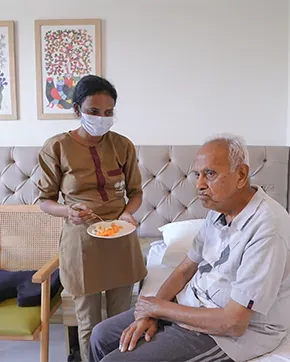
Dementia care homes provide special support for people living with dementia. These homes are designed to keep residents safe, calm, and engaged. Trained staff help with everyday activities like bathing, grooming, and eating, making sure everything is done with comfort and respect.
Yes, family members can definitely visit residents in a dementia care home. In fact, these visits are encouraged because they help strengthen bonds and give the resident a sense of comfort and familiarity.
Most dementia care homes have flexible visiting hours, along with a few basic guidelines to ensure the safety and well-being of all residents.
Dementia caregivers are available 24/7 to handle emergencies and follow routines that help residents feel secure. The interiors are planned in a simple and clear way to reduce confusion and help residents move around safely.
Dementia can be a result of many risk factors, from genetics to lifestyle. Here are some indicators that can help you understand these better:
When choosing a dementia care home like Antara Memory Care, it’s important to prioritise a safe and supportive environment that truly meets your loved one’s needs. At Antara Memory Care, trained staff with specialised dementia-care experience provide compassionate, personalised support throughout the day.
The spaces are designed to be secure and easy to navigate, with clear signage, handrails, and safe exits to reduce confusion and ensure safety. Each resident receives a personalised care plan that respects their routines, comfort, and preferences.
Antara Memory Care also focuses on emotional and social well-being through engaging activities such as music, art, memory games, and sensory stimulation. Families are kept involved through regular updates and communication.
Yes, family members can definitely visit residents in a dementia care home. In fact, these visits are encouraged because they help strengthen bonds and give the resident a sense of comfort and familiarity.
Most dementia care homes have flexible visiting hours, along with a few basic guidelines to ensure the safety and well-being of all residents.