
Loading...
Loading...
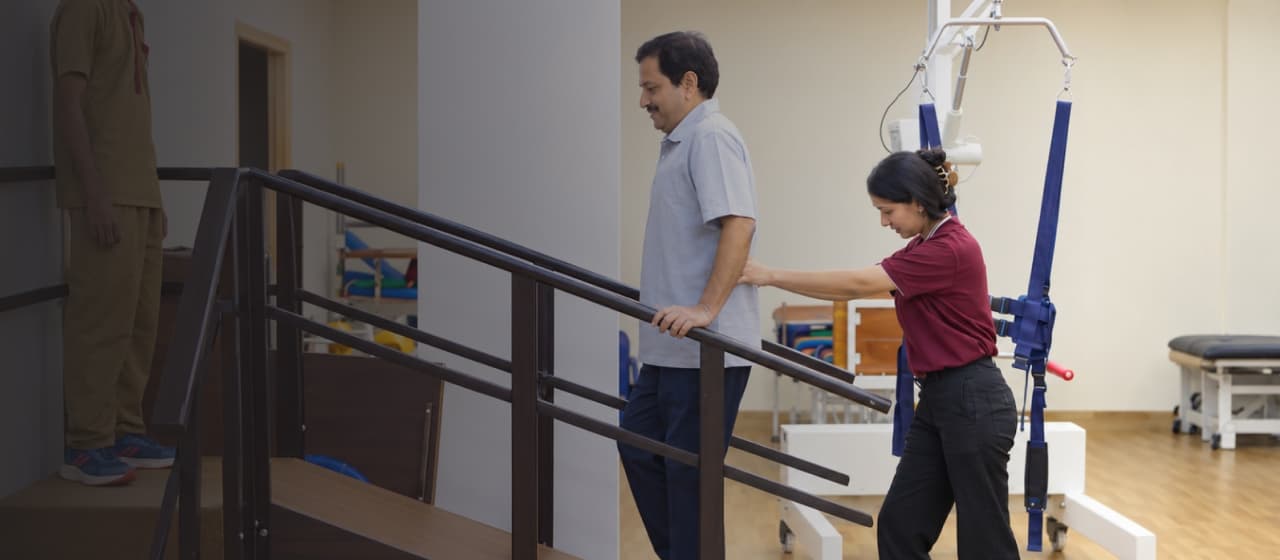
Physiotherapy is a type of treatment, it includes exercises that help in regaining strength, movement, and independence in patients especially after illness or surgery. You will get guided exercises, mobility training, and physical exercises that are help in improving the way the body moves and functions.
After surgeries like hip replacement, stroke & heart attack, people generally face pain, stiffness, weakness, or difficulty performing everyday activities. Post operative physiotherapy is done to get back the stability, balance, and mobility after surgery. It helps in preventing stiffness and excessive pain. It can also help in other complications such as muscle weakness, joint stiffness, poor balance, and reduced physical function.
In case you are recovering from a knee replacement, hip surgery, fracture, stroke, or other medical procedures, you will be advised for physiotherapy treatment by the doctor. It helps in getting a safer and faster recovery. For older adults, physiotherapy for elderly patients can improve balance, reduce the risk of falls, and help them work independently.
Physiotherapy can benefit anyone who is experiencing pain, weakness, reduced mobility, or difficulty performing daily activities. It is commonly recommended for people recovering from surgery, injuries, neurological conditions, or age-related physical problems.

Recovering from Knee replacement, hip replacement, spine surgery, or other major procedures

Need post operative physiotherapy to regain strength and mobility after surgery

Joint pain, arthritis, or musculoskeletal conditions

Stroke, brain injury, or spinal cord injury
As we age, physiotherapy becomes important. It helps in restoring flexibility, strength and balance. Post-operative physiotherapy is important but if you suffering with chronic problems such as frozen shoulder, neck pain, joint stiffness or similar conditions, it becomes important that you get regular physiotherapy to get in normal state.
Surgery is the first step toward recovery, but structured rehabilitation is what helps patients regain their strength and return to normal life. Post operative physiotherapy plays a crucial role in helping the body heal safely and effectively after surgery.
Physiotherapy uses targeted exercises and movement techniques to reduce pain, stiffness, and discomfort that commonly occur after surgery.
Physiotherapy is an important part of recovery for many patients, especially after surgery. It helps in restoring strength, mobility, balance, and independence along with reducing chances of hospital readmissions.
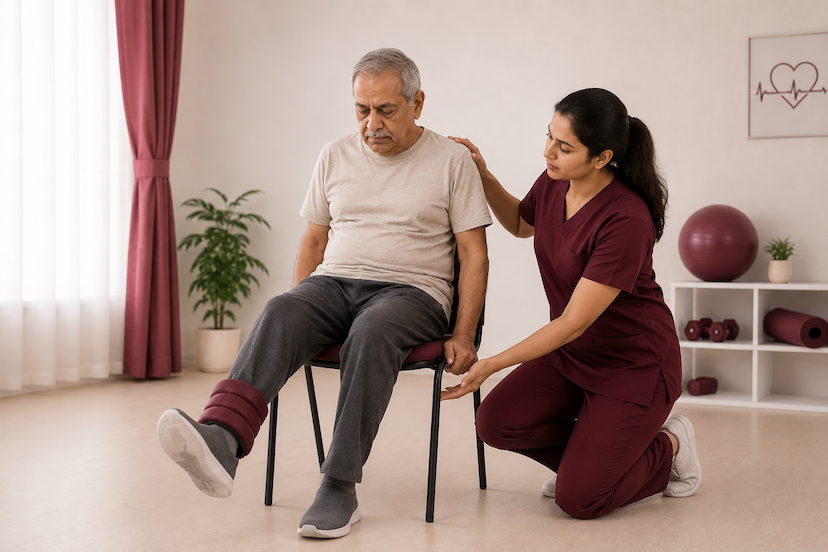
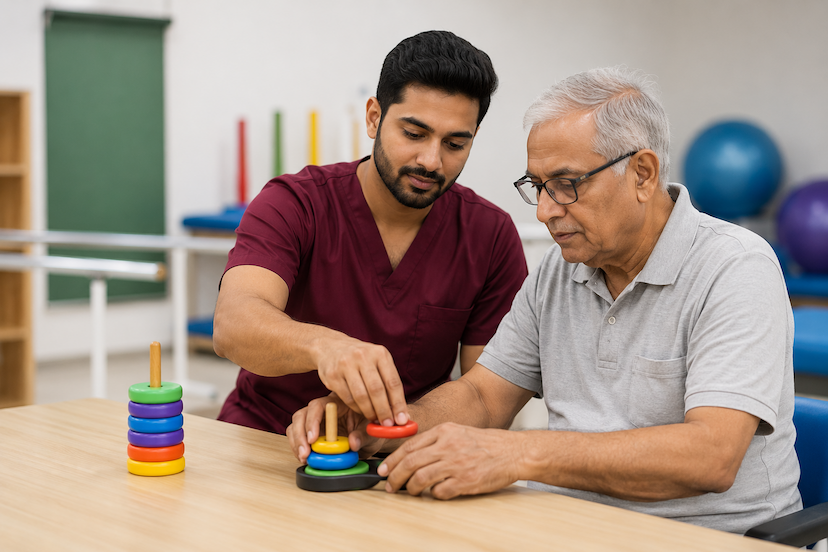
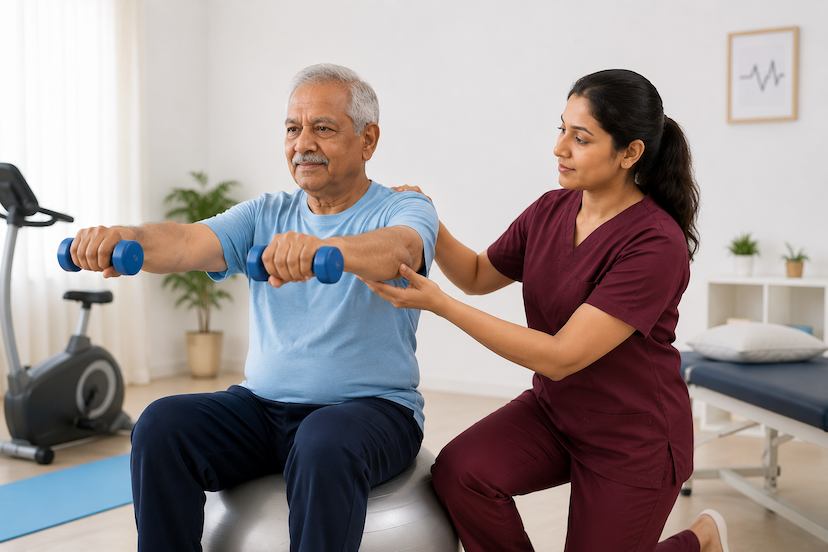
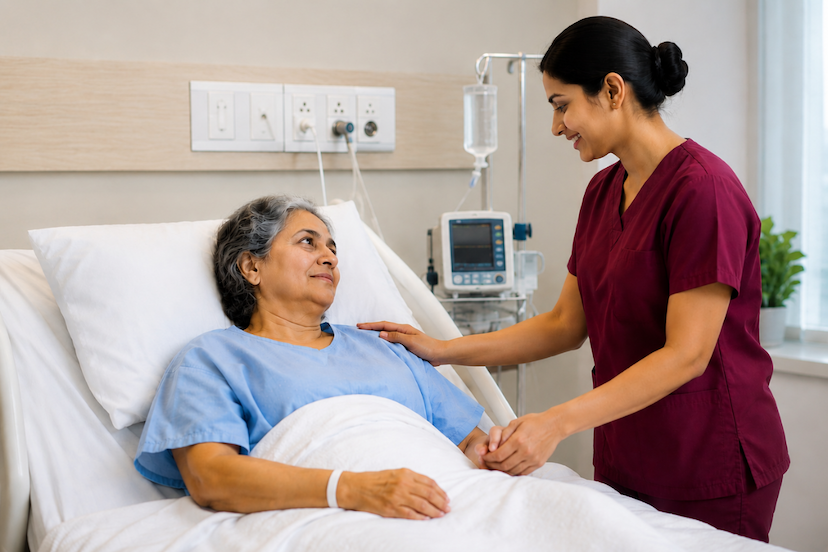
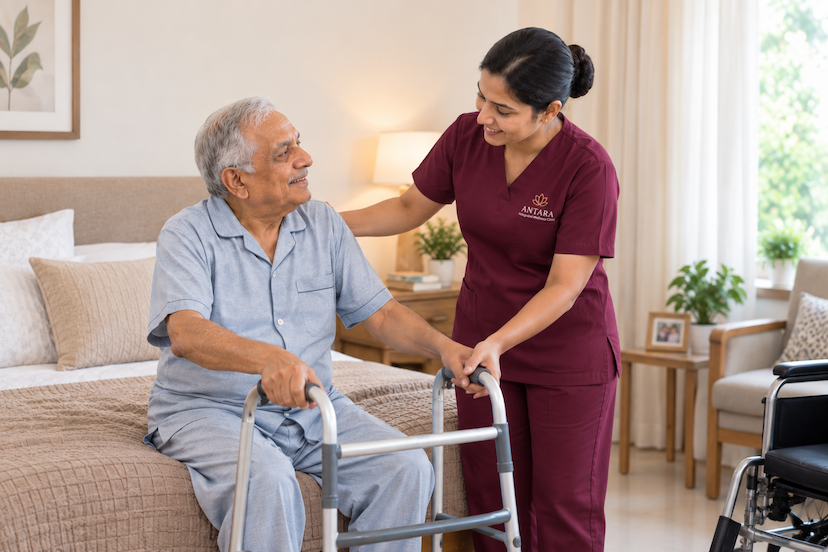
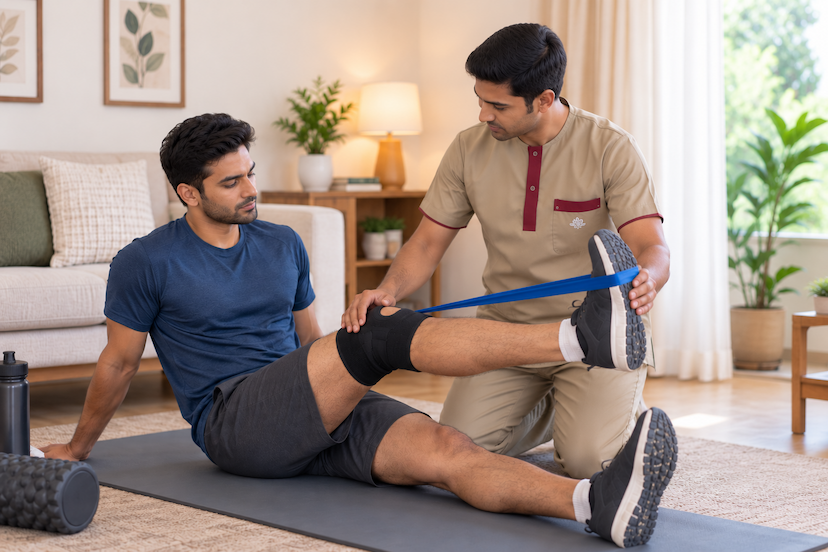
Whether recovering from a knee replacement, hip replacement, stroke, cardiac surgery, or prolonged hospitalization, post operative physiotherapy can help patients regain mobility, improve strength, and return to daily activities with greater confidence and independence.
Recovering from stroke, heart attack or any orthopedic surgery can be challenging. A structure rehabilitation with right physiotherapy approach can make all the difference. At Antara, we provide physiotherapy based on the surgery, health condition, age and other important factors.
we provide plans as per the post operative condition, health problems, and recovery goals.
At Antara Care Homes, you will get phyiostherapy from experienced and trained physiotherapists who understand the challenges patients face after surgery.
through guided exercises that help improve strength, mobility, and confidence.
including joint replacement, stroke treatment, cardiac surgery, paralysis and other neurological procedures.
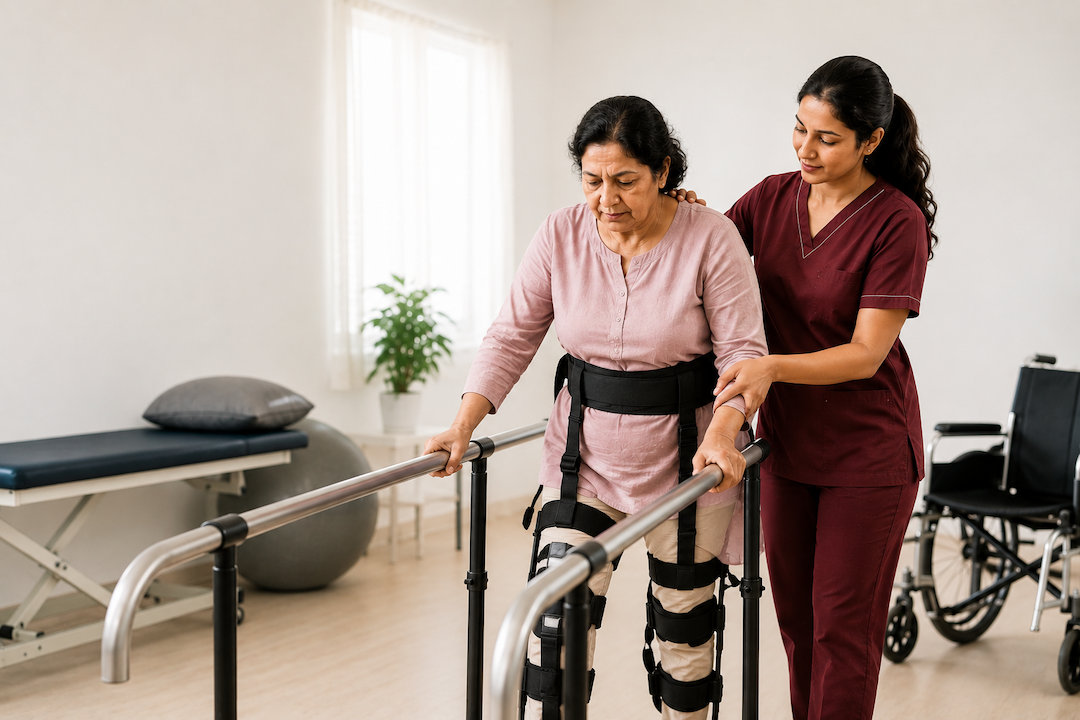
Gait therapy focuses on improving the way a person walks. After surgery, stroke, injury, or a prolonged illness, walking may become difficult due to weakness, poor balance, or reduced coordination. Through gait therapy, physiotherapists help patients regain confidence and improve their walking pattern. The therapy may include walking exercises, posture correction, balance activities, and the use of support devices if needed. Regular gait training can help increase independence, reduce the risk of falls, and make daily activities easier. The goal is to help patients walk safely, comfortably, and with greater confidence.
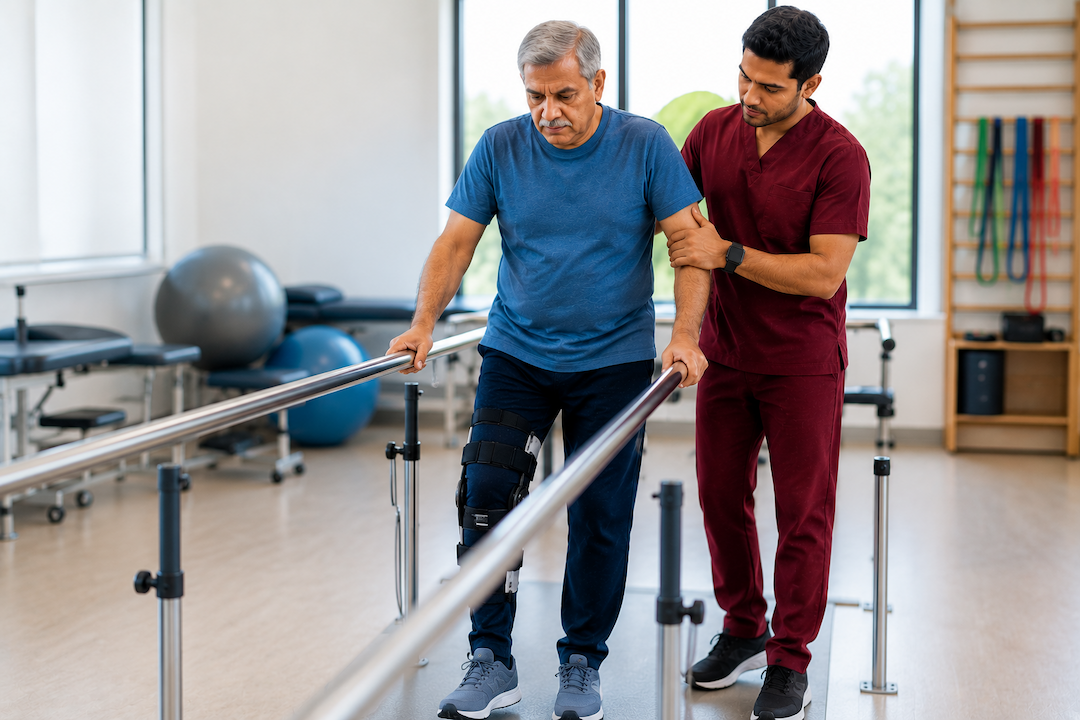
Mobility and transfer training helps patients move safely and independently during everyday activities. It focuses on movements such as getting out of bed, sitting down, standing up, moving from a chair to a wheelchair, or walking short distances. After surgery or illness, these basic movements can become challenging. A physiotherapist teaches proper techniques to make these activities easier and safer while reducing the risk of falls or injury. The training also helps improve confidence and independence. With regular practice, patients can perform daily tasks more comfortably and regain their ability to move around with ease.
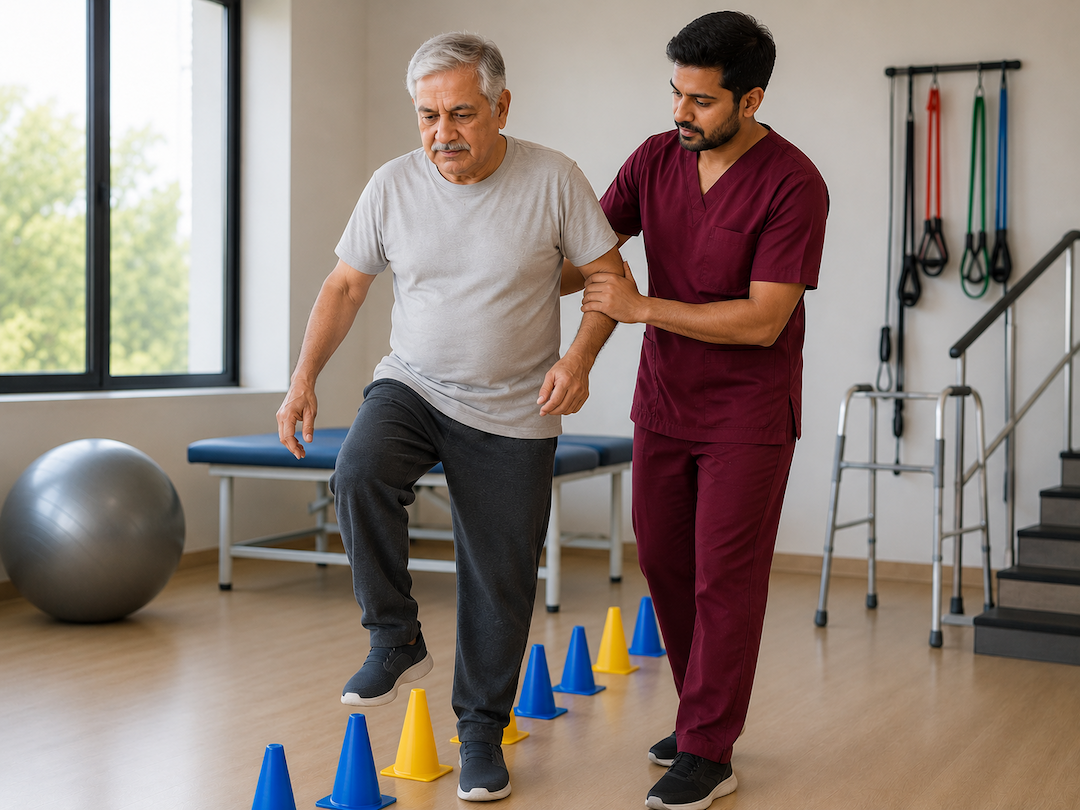
Balance and coordination training helps improve stability, body control, and movement confidence. Many people experience balance problems after surgery, stroke, injury, or due to ageing. Poor balance can increase the risk of falls and make daily activities difficult. Physiotherapists use simple exercises that challenge balance, strengthen supporting muscles, and improve coordination between the brain and body. These exercises may include standing activities, controlled movements, and walking drills. Regular training helps patients move more safely, improve posture, and perform everyday activities with greater confidence. The goal is to reduce fall risk and support independent living.
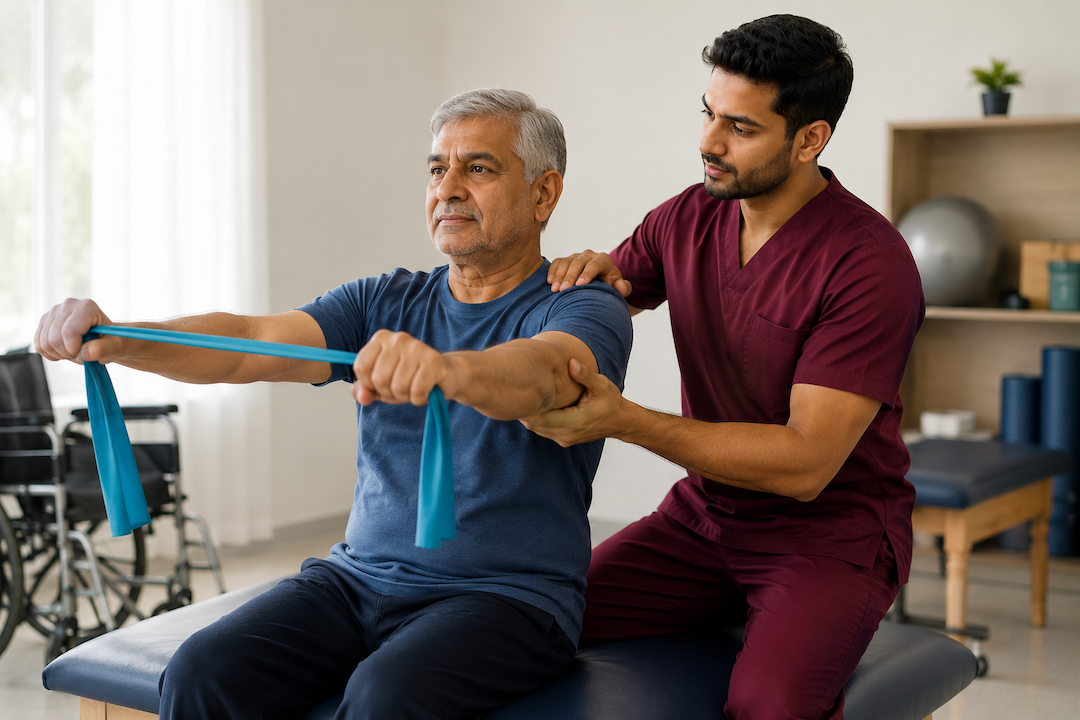
Range of Motion (ROM) training helps improve the movement and flexibility of joints. After surgery, injury, or long periods of inactivity, joints can become stiff and difficult to move. ROM exercises gently move the joints through their natural range to reduce stiffness and improve flexibility. These exercises may be performed by the patient or with assistance from a physiotherapist. Regular ROM training helps maintain joint health, improve comfort, and make daily movements easier. It also supports recovery by preparing the body for more advanced strengthening and mobility exercises.
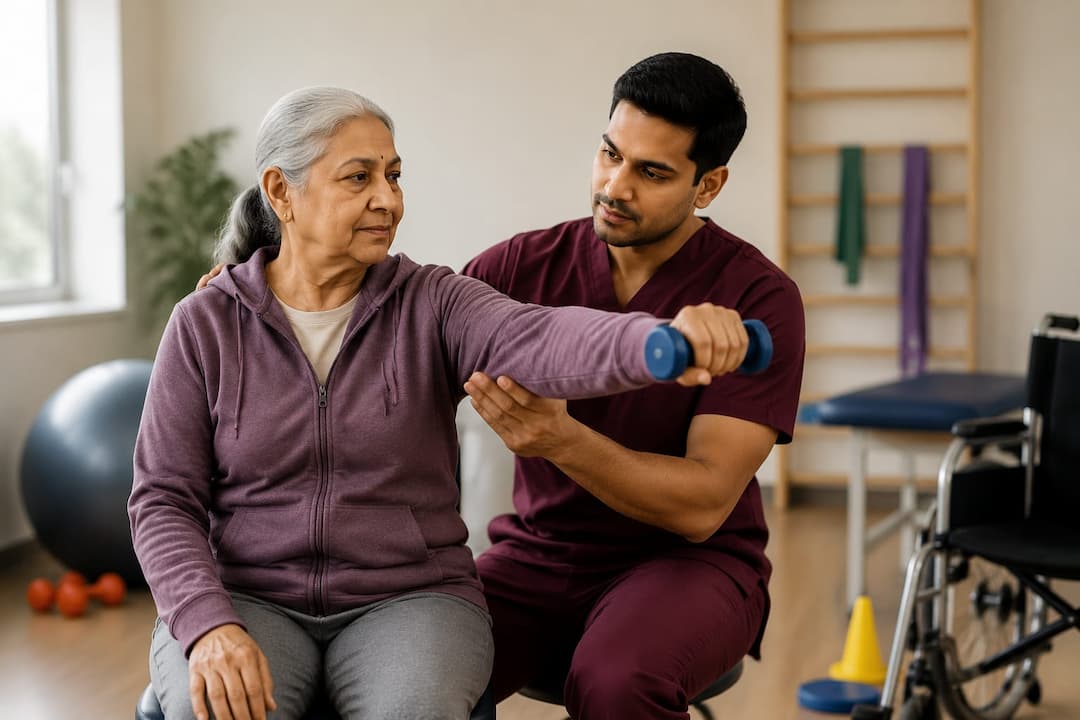
It focuses on rebuilding muscle strength, improving physical function, and supporting overall recovery. After surgery, illness, or injury, muscles can become weak due to reduced activity. Physiotherapists design personalised exercise programs that gradually improve muscle strength, stability, and movement control. The exercises are adjusted according to each patient's condition and recovery goals. Stronger muscles help support joints, improve balance, and make everyday activities easier. Regular strength and conditioning training can enhance mobility, reduce the risk of injury, and help patients return to their normal routines with greater confidence.
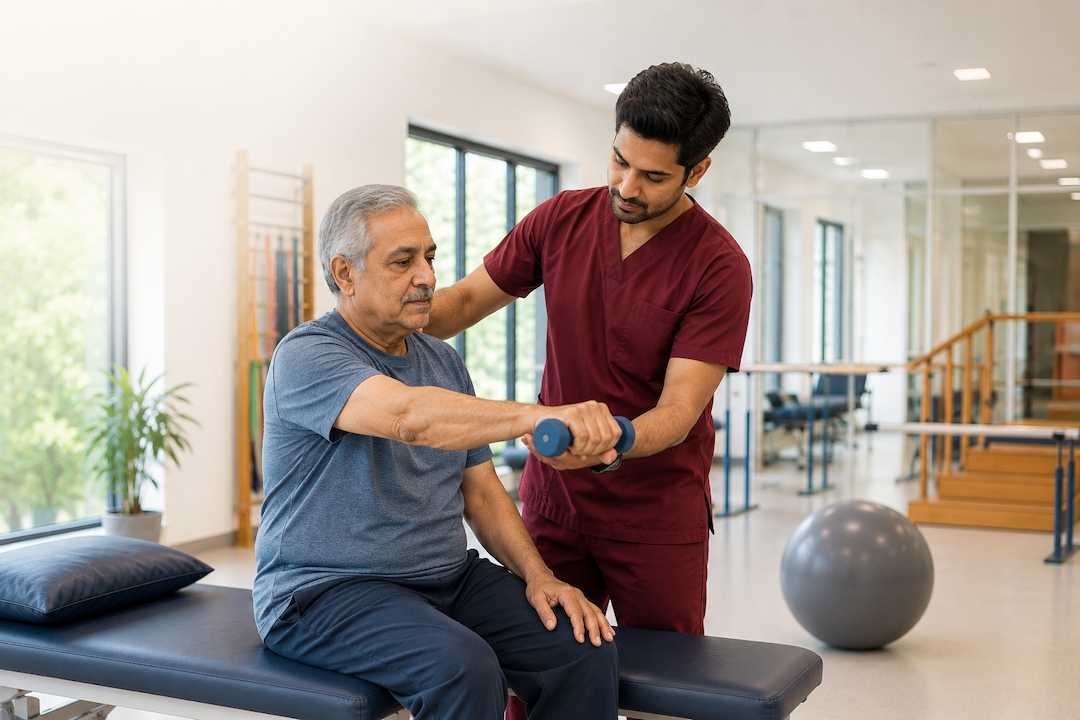
Endurance training helps improve stamina and the ability to perform activities for longer periods without becoming overly tired. Following surgery, illness, or prolonged bed rest, many patients experience reduced energy levels and physical endurance. Physiotherapists use structured activities such as walking, cycling, and low-impact exercises to gradually build stamina. The intensity is increased slowly based on the patient's progress and comfort level. Improved endurance can make daily activities easier, reduce fatigue, and enhance overall quality of life. The goal is to help patients regain their strength, energy, and independence over time.
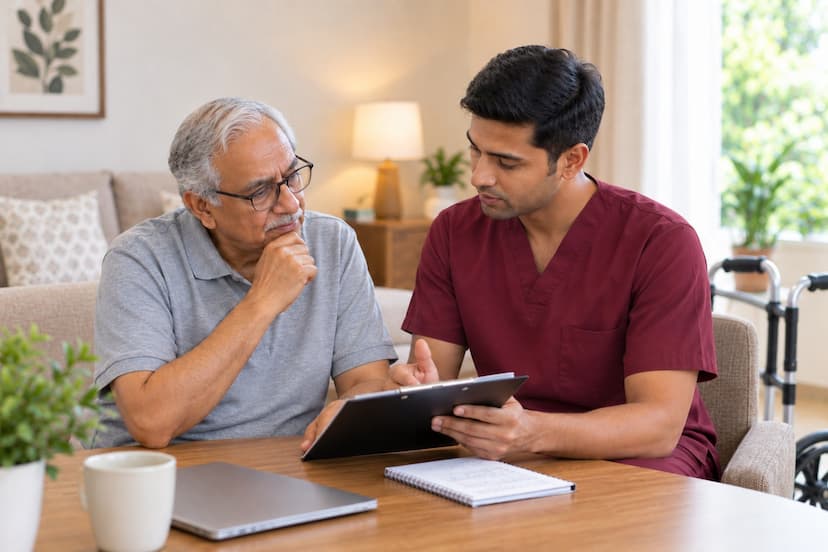
Identify and reshape negative thought patterns to foster positive behaviors and emotional well-being.
View Details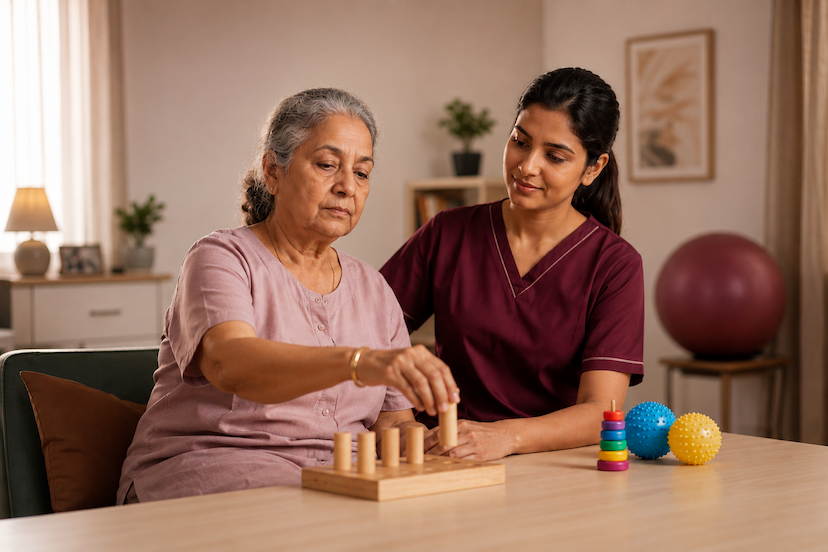
Enhance daily living skills, fine motor coordination, and independent functioning in everyday routines.
View Details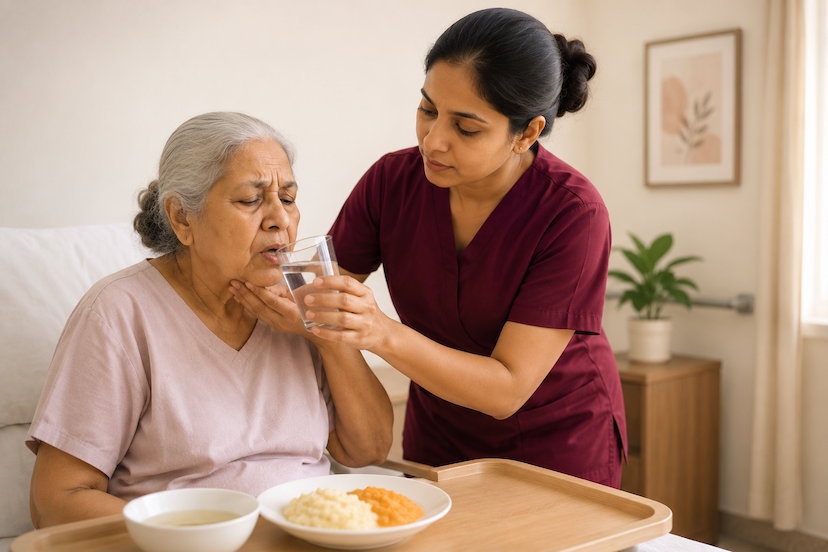
Improve communication, speech clarity, vocal strength, and safe swallowing function with expert guidance.
View Details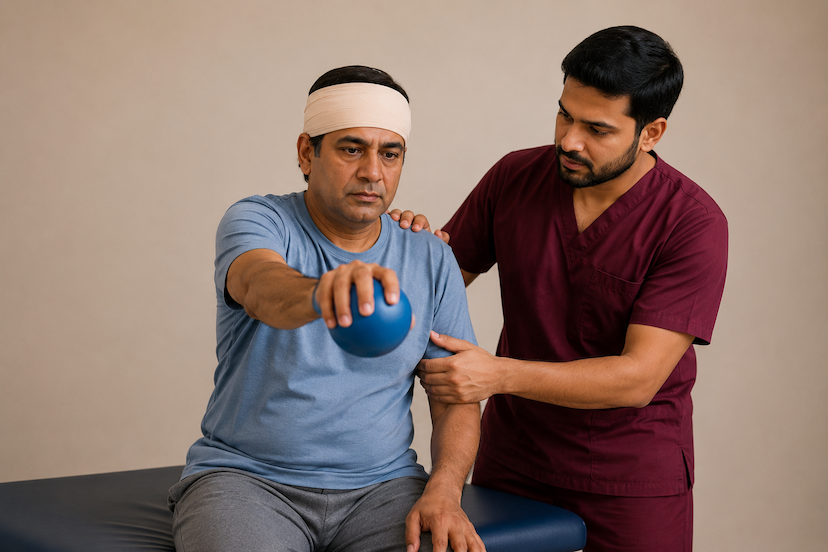
Specialised neurological recovery for stroke, Parkinson’s, and spine conditions to regain motor skills.
View Details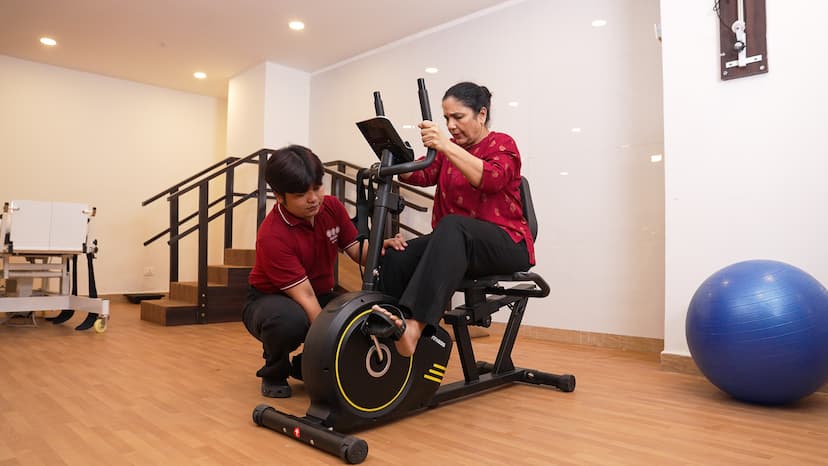
Structured endurance and breathing exercises designed to strengthen heart and lung capacity safely.
View Details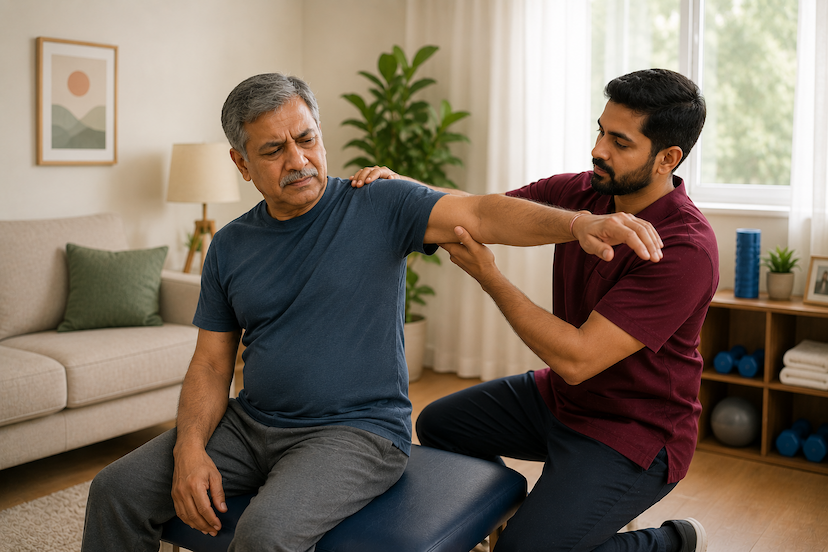
Targeted post-operative rehabilitation for joint replacements, fracture repairs, and spine surgeries.
View Details

Please fill in the form and submit the details to request an appointment.