Loading...
Loading...
 BACK
BACK2023-10-08
antara
In a world where time zones separate us, and borders mark our distances, one thing remains constant: our deep concern for the well-being of our loved ones. As Non-Residential Indians (NRIs), our hearts are forever connected to our family members in India, especially when they face critical health challenges.
For NRI families, managing the critical illness of a loved one in India can be emotionally overwhelming. Distance often creates anxiety around medical supervision, emergency response, daily care quality, and timely updates. Families may want to be present physically, but work, travel, and personal commitments can make immediate travel difficult.
In such situations, regular communication becomes as important as clinical care. Families need clear updates on the patient’s health condition, treatment progress, nursing support, medication schedules, and any change in medical needs. Transparent reporting helps reduce uncertainty and gives families confidence that their loved one is being cared for with attention and dignity.
Antara’s Critical Care at Home service is designed to bring structured medical support into the comfort of the patient’s home. The service combines clinical supervision, trained nursing, medical equipment setup, physiotherapy support, and caregiver assistance to help patients receive dependable care without repeated hospital visits.
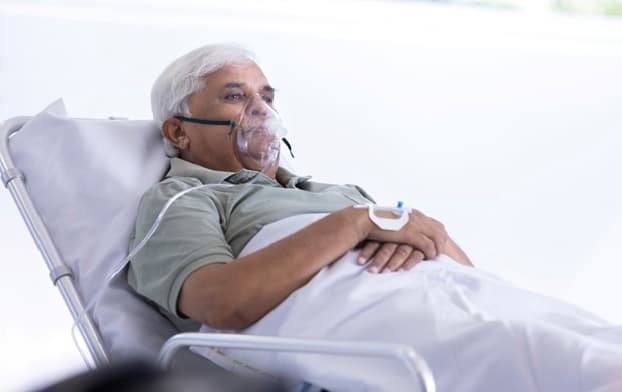
Antara helps arrange the necessary medical equipment and home setup required for critical care. This may include essential monitoring devices, oxygen support, hospital beds, and other medical infrastructure recommended by the treating doctor. A properly prepared home environment improves safety and supports continuity of care after hospital discharge.
Critical-care nurses provide round-the-clock monitoring and clinical support for patients with serious health conditions. They help track vitals, observe changes in health status, support medication administration, and ensure timely escalation if any concern arises. This constant supervision helps families feel reassured, even when they are away.
Critical care often involves patients with neurological conditions, cancer, pulmonary issues, cardiac concerns, or end-of-life care needs. Antara’s care approach is guided by physician-led protocols and regular clinical review, ensuring that the care plan remains aligned with the patient’s medical condition and recovery goals.
For families living abroad, emergency coordination is one of the biggest concerns. Antara supports families by monitoring the patient closely, identifying warning signs early, and coordinating with doctors or hospitals whenever required. This proactive approach helps reduce delays and supports timely medical decision-making.
The transition from hospital to home can be complex for critically ill patients. It may involve discharge planning, equipment arrangement, nursing deployment, caregiver support, physiotherapy planning, and communication with the treating doctor. Antara helps coordinate these requirements so that families do not have to manage every detail from a distance.
A dedicated coordinator acts as a single point of contact for NRI families. This helps simplify communication, reduce confusion, and ensure regular updates on the patient’s care journey. Families can stay informed about daily support, health observations, doctor inputs, and any change in the care plan.
Critical illness becomes harder to manage when families are separated by distance. Antara’s Critical Care at Home service helps bridge this gap by combining compassionate caregiving with structured clinical support, regular communication, and coordinated medical assistance.
For NRI families, this support provides more than healthcare. It offers reassurance that their loved one is being monitored, supported, and cared for by trained professionals in a familiar home environment.
Critical Care at Home provides medically supervised care for patients with serious health conditions in the comfort of their home. It may include trained nursing, vital monitoring, medical equipment support, doctor coordination, and caregiver assistance.
It helps NRI families by offering local clinical supervision, regular health updates, emergency coordination, and a dedicated point of contact. This reduces the stress of managing care from another country.
Patients with neurological conditions, cancer, pulmonary issues, cardiac concerns, prolonged recovery needs, or end-of-life care requirements may benefit from structured critical care support at home.
Yes, essential medical equipment can be arranged based on the patient’s condition and doctor’s recommendation. This helps create a safer and more supportive care environment at home.

Please fill in the form and submit the details to request an appointment.