Loading...
Loading...
 BACK
BACK2023-08-28
Antara
There are a wide range of chronic conditions and disabilities that commonly affect senior citizens which impact their mobility, cause mental ailments, or affect their emotional balance. Some of the conditions seniors are most prone to include hypertension, diabetes, cholesterol, arthritis, and heart conditions. High blood pressure and cholesterol increase the risk of heart diseases like stroke and heart attack, while osteoarthritis causes swelling and joint pains.
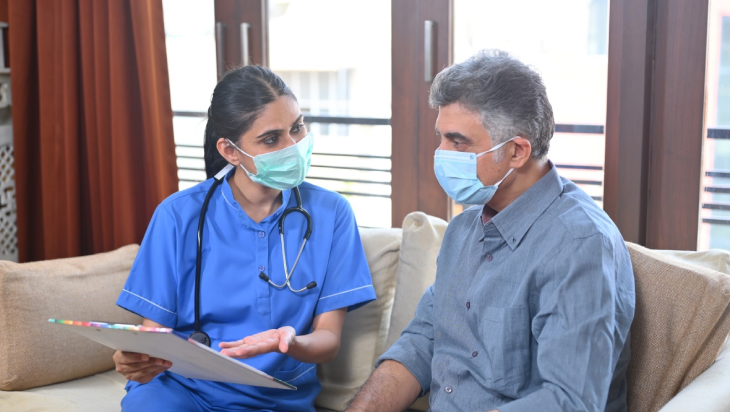
Managing chronic conditions in seniors often requires continuous monitoring, timely medication, lifestyle adjustments, and regular medical support. Conditions such as diabetes, hypertension, cardiac disease, respiratory illness, arthritis, dementia, and Parkinson’s disease may need ongoing supervision to prevent complications and maintain stability.
For many families, maintaining consistent clinical care at home can become challenging due to work commitments, limited caregiving experience, or the complex nature of long-term medical needs. This is where professional home care support becomes increasingly important.
Many seniors follow multiple medication schedules throughout the day. Missed doses, incorrect timing, or poor monitoring of symptoms can increase health risks and lead to avoidable medical complications. Inconsistent tracking of vital signs such as blood pressure, blood sugar, oxygen saturation, or heart rate can also delay timely intervention.
Professional caregivers help reduce these risks by ensuring medications are administered correctly and health conditions are monitored regularly according to clinical guidance.
Home care professionals assist seniors with routine monitoring, medication reminders, dietary support, and health tracking for chronic conditions such as diabetes and hypertension. Regular observation helps identify early warning signs and supports better long-term management of these conditions.
Seniors recovering from cardiac conditions or managing respiratory illnesses may require specialised nursing support, oxygen monitoring, rehabilitation assistance, and regular clinical supervision. Home healthcare services can help patients receive structured support in a familiar environment without repeated hospital visits.
Continuous monitoring of vital health parameters plays an important role in preventing complications. Caregivers and home healthcare teams track important indicators such as blood pressure, blood sugar levels, pulse rate, oxygen saturation, and temperature. Early detection of abnormalities allows faster medical intervention and more proactive care planning.
Professional home care also supports seniors with mobility assistance, physiotherapy exercises, meal preparation, emotional companionship, fall prevention, and daily living support. These services help seniors remain safer, more comfortable, and more independent while receiving the care they require.
For families, home healthcare provides reassurance that their loved one is receiving structured support from trained professionals while continuing to live in the comfort of home.
Long-term condition management requires consistency, timely monitoring, and personalised support. Professional home care services help bridge the gap between medical needs and daily living by providing structured healthcare assistance directly within the home environment.
By combining clinical expertise, regular monitoring, medication management, rehabilitation support, and compassionate caregiving, home healthcare services help seniors manage chronic conditions more safely and comfortably while supporting better health outcomes and improved quality of life.

Please fill in the form and submit the details to request an appointment.