Loading...
Loading...
 BACK
BACK2021-08-26
Antara Care Homes
If your aging loved one is scheduled to undergo cardiac surgery soon, you probably have many questions regarding their recovery. How is life after cardiac surgery? How will you manage the recovery, both at the hospital and at home? What are the precautions you will need to take? How will you protect them from being inflicted by infection, especially at a time when the COVID-19 pandemic is still prevalent?
Your healthcare provider will continuously monitor post-cardiac surgery recovery at the hospital. However, once discharged, you will have to take extra precautions to avoid complications after the surgery. Therefore, it becomes imperative there is a complete focus on post-care either at home or in a care home with specialised and trained personnel.
While recovery after cardiac surgery is unique for everyone, there are some common aftercare tips that one can follow on your road to a safe and speedy recovery.
For specialised cardiac surgery post op care, connect with Antara care homes to ensure your loved one receives safe, structured, and expert recovery support.
24×7 Care- Cardiac surgery post op care
Recovery after a cardiac episode can be very overwhelming, especially for seniors who need constant medical attention. Households at most times, do not have the infrastructure or facilities where your loved one’s health constantly, therefore, ensure you have access to a post-operative care home designed to cater to all such medical requirements. Care Homes with trained professionals can offer complete care 24×7.
Monitor their pulse regularly- Nursing care plan post cardiac surgery
We cannot overstate the importance of monitoring one’s pulse after cardiac surgery. That is because pulse indicates whether the heart rate is within a safe range. An irregular heart rate usually means more than 110 beats per minute or lower than 60 beats per minute. However, it could differ for people, so it is best to ask your cardiac doctor what a safe heart range means for the body.
Never skip the medicines- Post operative cardiac surgery
Once they are home, we must ensure that they keep taking all the prescribed medicines on time. The doctor may prescribe different medicines for different conditions, depending upon the needs of the body. Also, it is suggested that we make no changes to the medication and its patterns without getting it approved by the Cardiologist / Cardiac Surgeon.
Schedule follow-up appointments regularly
We must monitor their cardiac activity at regular intervals post-surgery. Make sure that you never miss any of these appointments with the doctor. If you have any questions regarding their recovery, do remember to clarify all your doubts with them.
Do not ignore any warning signs
Sometimes, cardiac surgery may impact one’s body in ways you don’t expect it to, leaving the patient vulnerable to infections. This can be even more dangerous during COVID-19 times. Hence, any symptoms such as chest pain, nausea, headaches, shortness of breath, fever, soreness around the chest cavity, or pain in any other part of the body should be brought to the doctor’s attention.
Care for your wounds, diet, and physical activity
Undergoing an open-heart surgery, or having had a pacemaker implanted, requires us
to follow any specific instructions that the doctor may have prescribed to care for the wound. While cleaning the incision, remember to use warm water and pat the area gently. It is highly recommended to check with the doctor before beginning any exercise regime. Instead of over-exercise, it is suggested that they opt for light walking, stretching, or yoga. Remember to provide them with a healthy diet, adequate sleep. They should avoid stressful build-up and remain active.
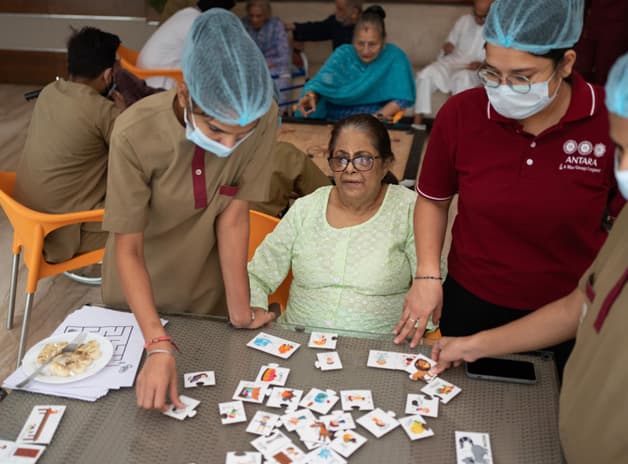
At Antara Care Homes, we offer advanced long-term and short-term care facilities for pre and post-surgical recovery. Our team of trained caregivers and doctors work tirelessly towards the seniors’ recovery by providing supervised exercises, rehabilitation and wellness therapies, vitals management, nutritional diet, and an effective emergency response system. We offer a comfortable and sanitized environment for the recuperation of seniors for their holistic well-being and speedy recovery.
At Antara, we care for your loved ones every day, in every possible way. To know more about Antara Care Home, located in Gurugram and Delhi about our pre-and post-operative care offerings, get in touch with us at +91 9811 44 1111
Conclusion
If your loved one is recovering from cardiac surgery, they need your support such as (including but not limited to) dedicated attention to multiple aspects of your health, wound care, infection prevention, proper nutrition and gradual physical activity. There is continuous monitoring of vital signs (particularly blood pressure and blood sugar levels) which serve as important indicators of your healing progress. Following a heart-healthy diet (rich in lean proteins, whole grains and fresh produce) and limiting sodium intake can further fasten your recovery. Do not underestimate the importance of mental health in recovery. Your lovely seniors can manage anxiety and mood changes through breathing exercises and mindfulness practices.
At Antara Senior Care we provide the monitoring, medical expertise and structured environment giving elderlies the best possible post-cardiac surgery recovery outcomes. With trained staff available around the clock and comprehensive care protocols, you can focus on healing while having peace of mind that any complications will be addressed immediately.
Looking for safe and reliable post-surgery care at home? Talk to our experts and ensure a smooth, stress-free recovery for you or your loved one.
Clean your incision daily with mild soap and warm water, keeping the area dry. Monitor for signs of infection including fever above 100.4°F, increased redness, unusual drainage, or warmth around the surgical site. Practice proper hand hygiene, limit visitors during initial recovery, and contact your doctor immediately if you notice any concerning symptoms.
Try to include foods good for your heart (lean proteins, whole grains, fresh fruits and vegetables). Limit sodium intake to two thousand milligrams daily. Completely stop processed foods, saturated fats & alcohol during initial recovery. Stay hydrated with eight to ten glasses of water daily.
If you are regularly monitoring sugar and BP you can detect any complications early (if any) and give your cardiovascular system best chance to heal properly. Target blood pressure should be 120-140/70-90 mmHg, checked 2-3 times daily. Blood sugar levels should remain 80-130 mg/dL before meals especially important for diabetic patients. These readings help your medical team adjust medications and treatment plans accordingly.
Practice deep breathing exercises using the 4-7-8 technique for 10 minutes, three times daily. Try progressive muscle relaxation and mindfulness meditation starting with 5-minute sessions. You need to accept the fact that anxiety, mood swings and sleep disturbances are normal.
Start with gentle walking for 5-10 minutes, 3-4 times daily during weeks 1-2. Add light stretching and shoulder rolls by weeks 3-6. Avoid lifting more than 5-10 pounds, pushing heavy objects, or swimming until your incision fully heals. Stop activity immediately if you experience chest pain, shortness of breath, dizziness, or irregular heartbeat.

Please fill in the form and submit the details to request an appointment.