Loading...
Loading...
 BACK
BACK2021-10-30
Anamika Pandey
If you are starting to notice forgetfulness symptoms in your loved ones and are unsure if it is normal or not, here is what you should watch for. You can also connect to Antara’s health experts to get proper guidance on the same.
Forgetting little things every now and then is a common part of our life. Thanks to technology, we now have methods to keep these ‘slips of mind’ in check - whether it is by putting calendar reminders or using notes on our phones. There are also simpler ways to remember important things such as keeping sticky notes handy around the house. As seniors age, understanding forgetfulness vs dementia becomes essential to know what is normal and what is not.
But as we start to age, forgetfulness can become more frequent. You might forget to pay your electricity bill on the due date or forget where you kept your reading glasses. And while these instances are a normal part of the ageing process, there are some symptoms that may become a cause of concern, pointing to a bigger underlying condition, such as dementia. This is where recognising the difference between normal aging and dementia becomes important.
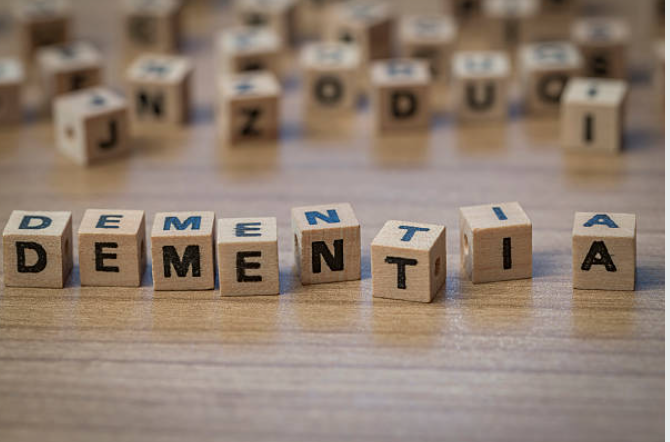
What is Dementia and how do you diagnose it?
Dementia is a broader group of symptoms that people experience when their brain undergoes some level of damage. Sometimes brain infections or blood clots can trigger Dementia, by causing a decline in someone’s mental or cognitive abilities. Things like reasoning and thinking also take a hit, alongside a more severe form of memory loss.
One cannot diagnose Dementia on their own, but if forgetfulness starts to impact basic, daily activities, it is best to consult a doctor to confirm diagnosis. Some of the ways in which Dementia exhibits itself are when people start having problems such as getting lost in familiar places, having difficulty managing basic instructions, asking the same questions over and over again, becoming confused about time, places and people, or even not being able to bathe or dress normally.
If your loved one starts showing symptoms that are unusual for their age, or more severe than you expect them to be, it is good to head to a doctor as soon as possible. The doctor will then prescribe medication, or other forms of treatment that can make the situation better.
What separates Dementia from normal forgetfulness?
Initially, a person might not know if he has the signs of dementia or normal forgetfulness, as they might seem similar in many ways, but there are subtle differences that will help you understand the right time to seek medical help. For instance, if your aging parent forgets their appointments or names of someone, but remembers it afterwards, it is completely normal. But if they forget close family members or friends, or even the events of the past one hour, then it could be a cause of concern.
With Dementia, problem-solving skills can take a major hit. Your loved ones could be having a particularly hard time concentrating on tasks, managing simple things like bills, or even reading and comprehension issues. With normal forgetfulness, people tend to get a little slow in dealing with tasks, or reacting to situations.
Another sign of Dementia could be problems with language. If your senior family member frequently finds it difficult to search for the right words, have extreme trouble following conversations, or ‘zone out’ often, you may want to get them evaluated by a psychologist. Visual orientation also becomes a big problem for those with Dementia as they tend to get lost often, even in familiar surroundings, and have difficulties with perceiving patterns or objects.
Understanding normal memory loss vs understanding dementia becomes crucial here, helping you differentiate when forgetfulness is harmless and when it requires immediate medical attention.
Seeking the right care
It can become difficult to care for senior family members if they face serious memory issues. In that case, they require assistance that goes beyond just providing for them; they need a safe and reliable environment that helps them recuperate and manage their day-to-day activities on their behalf.
At Antara Care Homes, we understand that it can become difficult to be at your loved one’s assistance 24*7. Which is why we become your trusted medical partners. Our Memory Care services promise not just clinical excellence, but also state-of-the-art infrastructure, customised therapies to cater to cognitive needs, specially trained caregivers, and regular medical counselling for seniors and their families. Moreover, our ecosystem provides care, companionship and comfort to recuperating seniors, offering them exceptional primary health care and emergency response services, curated engagement calendars and nutritionally assisted meals in a homely environment to promote holistic wellness and healing.
To learn more about Antara’s Care Home services, get in touch with us at (+91) 98114-41111.
If your loved one is showing signs that concern you, talk to our expert team today and get trusted, expert memory care and compassionate support at Antara Care Homes at every step.
Conclusion
What's the difference between normal forgetfulness vs dementia? The answer to this question is key to managing dementia for you or someone you care about.
Now and then, we all forget things like where we put our keys or someone's name - that's just part of getting older. But when memory loss starts to mess with your day-to-day life, you get mixed up about time and place, or you struggle with tasks you've always done, it might be time to see a doctor. These could be signs of something more serious.
The trick is to spot when memory issues start affecting everyday life. Keep an eye on signs (family member is having trouble with simple tasks they used to handle without a hitch, getting confused about places they know well, or changes in how they make choices and decisions). If you see these signs, it's time to get a professional checkup. Getting help on time can clear things up, ease worries, and make sure they get the right support if they need it.
At Antara Senior Care, our specialised memory care programs provide expert assessment and personalised care plans for seniors experiencing cognitive changes.
Memory problems may become a problem when they start interrupting with daily activities and routine tasks. Some indications (including but not limited to) are:
Some of the symptoms of dementia are:
When you sometimes forget (where you put things or can't recall names right away) it might just be normal aging-related forgetfulness. But dementia causes ongoing memory problems that mess up your day-to-day life. If it is age related forgetfulness you can backtrack and remember stuff later on. With dementia though, you stay confused and have trouble doing basic tasks.
Schedule a memory assessment when you notice below mentioned changes in your loved ones:
Early signs include:

Please fill in the form and submit the details to request an appointment.