Loading...
Loading...
 BACK
BACK2021-10-15
Antara Care at Home
As children, we always want to make sure that our parents are safe, secure and healthy, no matter where they are. As your parents age, you may fear for their health concerns, worry about emergency situations, or even about how lonely they might get when you are not around. This could make you want them to move in with you, or to a place that you feel might be better suited for them. Your parents, however, may not think the same way all the time.
For instance, according to the AARP Public Policy Institute, 87 percent of seniors want to stay in their current home and community as they age, and nearly 90 percent intend to remain in their homes permanently. What you need to understand here is that as people age, the openness to change and flexibility can go down drastically.
But that doesn’t mean your aging parents cannot be taken care of in the confines and comfort of their own homes. There are a few basic things that you need to consider, and aging at home can become much more simpler with the right assistance.
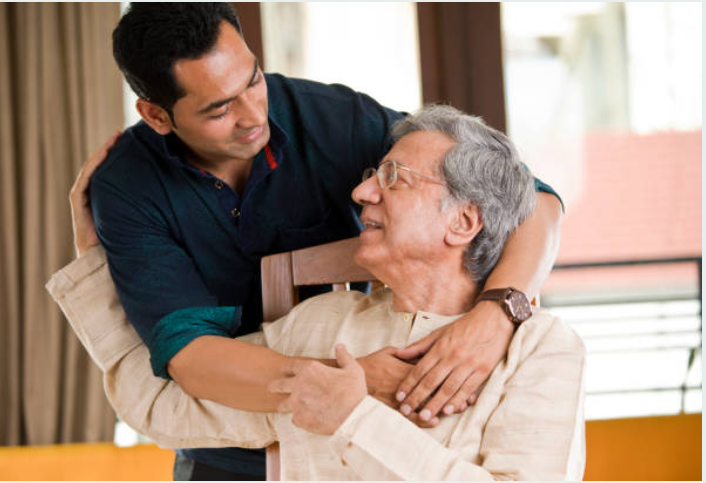
Many seniors prefer to continue living in the comfort of their own homes as they age. Aging in place allows older adults to remain in familiar surroundings while maintaining emotional comfort, independence, and stronger connection to their routines and memories.
However, creating a safe and supportive home environment becomes increasingly important as mobility, balance, vision, and physical strength change over time. Families should proactively evaluate the living space to reduce fall risks and improve long-term safety.
Simple home modifications such as anti-slip flooring, grab bars, clutter-free pathways, proper lighting, sturdy railings, and safe bathroom arrangements can significantly reduce the chances of injury and improve confidence in daily movement. Preparing emergency contact lists, smoke detectors, and accessible medication storage also helps seniors feel more secure at home.
As seniors age, daily activities such as bathing, dressing, grooming, walking, toileting, and meal preparation may gradually become more difficult. Professional caregivers assist with these activities while helping seniors maintain dignity, comfort, and independence in their everyday routines.
Regular support with activities of daily living (ADLs) can also reduce caregiver stress for families while ensuring seniors receive consistent and compassionate assistance.
Managing medications, doctor consultations, and health monitoring becomes increasingly important for seniors with chronic conditions or complex medical needs. Home healthcare professionals help ensure medications are administered correctly, vital signs are tracked regularly, and health changes are observed proactively.
Structured monitoring and coordinated healthcare support can help reduce medical complications while improving continuity of care for seniors living at home.
Healthy ageing involves more than physical care alone. Emotional wellbeing, companionship, and meaningful social interaction are equally important for maintaining mental health and quality of life. Caregivers often provide emotional reassurance, conversation, engagement activities, and companionship that help reduce loneliness and social isolation among seniors.
Encouraging hobbies, social interaction, light activities, and mentally stimulating routines can also positively influence emotional wellbeing and overall happiness.
There often comes a stage when family-led caregiving alone may no longer be sufficient to support the senior’s growing healthcare and daily living needs. Increased dependence, mobility challenges, chronic illness, memory concerns, post-surgical recovery, or the need for round-the-clock assistance may indicate the need for professional caregiving support.
Engaging trained caregivers, nursing professionals, physiotherapists, and coordinated home healthcare services can help families ensure seniors continue receiving high-quality support while reducing physical and emotional burden on family caregivers.
At Antara, Care at Home services are designed to provide personalised caregiving, nursing care, physiotherapy, diagnostics, critical care support, and medical equipment assistance directly within the home environment. This integrated approach helps seniors age more safely and comfortably while allowing families greater peace of mind.
Aging in place allows seniors to continue living in familiar surroundings while maintaining comfort, dignity, and emotional connection to their home environment. However, successful ageing at home requires thoughtful planning, safe living spaces, healthcare support, and compassionate caregiving assistance.
By combining home modifications, daily living support, medication management, emotional engagement, and professional healthcare services, families can help seniors maintain independence and experience healthier, safer, and more fulfilling ageing at home.

Please fill in the form and submit the details to request an appointment.