
Loading...
Loading...
 BACK
BACK2024-01-31
Antara
Bedsores, also called pressure injuries, pressure sores, pressure ulcers, or decubitus ulcers are a serious problem among senior citizens. These sores are a result of prolonged pressure on the skin that causes injuries to the skin and underlying tissues. They often occur in areas where the bones are close to the skin like the hips, heels, and tailbone.
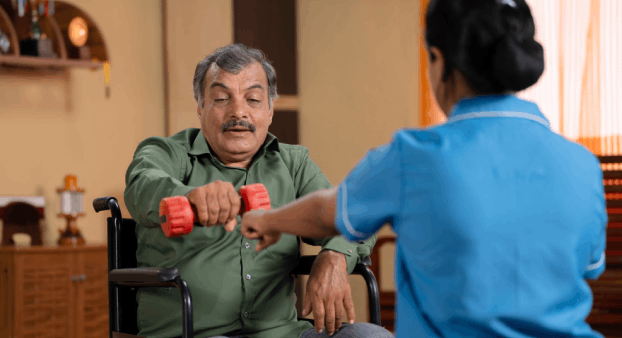
Pressure ulcers, commonly known as bed sores, develop when prolonged pressure restricts blood flow to certain areas of the body, causing damage to the skin and underlying tissues. Seniors who are bedridden, wheelchair-bound, recovering from surgery, or living with limited mobility are at significantly higher risk of developing pressure ulcers.
Common high-risk areas include the heels, hips, tailbone, elbows, ankles, shoulders, and back, where continuous pressure is most likely to occur. Early signs often include redness, swelling, tenderness, discoloured skin, pain, or changes in skin texture. If untreated, these sores can progress into deeper wounds and severe infections. :contentReference[oaicite:0]{index=0}
Age-related skin thinning, poor circulation, reduced sensation, nutritional deficiencies, and prolonged exposure to moisture can further increase the risk of pressure ulcers in seniors. :contentReference[oaicite:1]{index=1}
Regular repositioning is one of the most important preventive measures for pressure ulcers. Seniors with limited mobility should ideally be repositioned every one to two hours to reduce continuous pressure on vulnerable areas of the body.
Caregivers should ensure that pressure is evenly distributed and that affected areas are not continuously compressed. Pillows, cushions, and foam supports can also help improve comfort and reduce pressure points. :contentReference[oaicite:2]{index=2}
Pressure-relieving mattresses, specialised cushions, foam padding, and supportive seating systems help reduce skin stress and improve circulation in immobile seniors. These assistive products are especially important for bedridden patients, long-term recovery cases, and seniors requiring continuous caregiving support.
Using the right support surfaces can significantly reduce the risk of pressure ulcers while improving comfort and long-term skin protection.
Nutrition plays an important role in both preventing and healing pressure ulcers. A balanced diet rich in protein, vitamins, hydration, and essential nutrients supports tissue repair, skin integrity, and immune function.
Proper hydration and regular nutritional monitoring are especially important for seniors recovering from illness, surgery, or prolonged immobility. Maintaining good skin hygiene, using mild cleansers, and keeping the skin dry can further reduce the risk of skin breakdown and infection. :contentReference[oaicite:3]{index=3}
Early-stage pressure ulcers can often be managed through repositioning, wound cleaning, dressings, and pressure relief strategies. However, deeper wounds, signs of infection, severe tissue damage, foul odour, fever, or delayed healing may require specialised clinical wound care intervention.
Professional wound management may include advanced dressings, infection control, removal of damaged tissue, Negative Pressure Wound Therapy (NPWT), nutritional support, and continuous medical monitoring depending on the severity of the wound. :contentReference[oaicite:4]{index=4}
Caregivers should regularly inspect the skin for early signs of pressure ulcers and seek timely medical guidance to prevent complications. Prompt intervention can significantly improve healing outcomes and reduce the risk of hospitalisation.
At Antara, home healthcare and caregiving support services help families manage long-term mobility challenges through nursing care, wound management support, pressure-relief equipment, physiotherapy, and clinically supervised recovery assistance within the comfort of home.
Pressure ulcers are a serious but largely preventable healthcare concern among seniors with limited mobility. Consistent repositioning, skin monitoring, nutritional support, hygiene care, and the use of pressure-relieving equipment can significantly reduce the risk of bed sores and related complications.
With timely caregiving support, professional wound management, and proactive preventive care, families can help seniors remain safer, more comfortable, and better protected during long-term recovery and assisted care.
Best Stroke Rehabilitation Centre in Bangalore: Recovery, & ...
Best Stroke Rehabilitation Centre in Chennai: Recovery, & Co...

How to Safely Get Out of Bed After Open Heart Surgery
Best Physiotherapy Exercises for Shoulder Pain at Home
Best Physiotherapy at Home Services in Bangalore

Please fill in the form and submit the details to request an appointment.