
Loading...
Loading...
 BACK
BACK2021-10-15
Vaibhav Gupta
If you have a grandparent or an older parent in the house, you probably would have seen them complain about pain or stiffness in the knees, hips, hands or spine. You may have even heard some of them say that the pain is because of arthritis. What exactly is it?
Osteoarthritis, or arthritis as it is most commonly known, affects the elderly population more than any other disease that affects people as they age. The disease is chronic, and is caused by bones rubbing together, resulting in stiffness, pain, and impaired movement. In fact, it is the second most common rheumatologic problem and the most frequent joint disease with a prevalence of 22% to 39% in India, more common in women than men.
While it may seem like it shouldn’t be too difficult to live with some level of pain as you age, arthritis can actually be quite enfeebling. Ask people who live with it and they will tell you how the constant pain impairs their daily life. From mobility issues to executing daily, common tasks, everything can become a burden.
Having said that, it is also important to note that now managing arthritis is relatively easier than it was a couple of years ago. Aside from self-management techniques that include some form of exercise and medication, there are also medical aids that can help someone with arthritis manage day-to-day things.
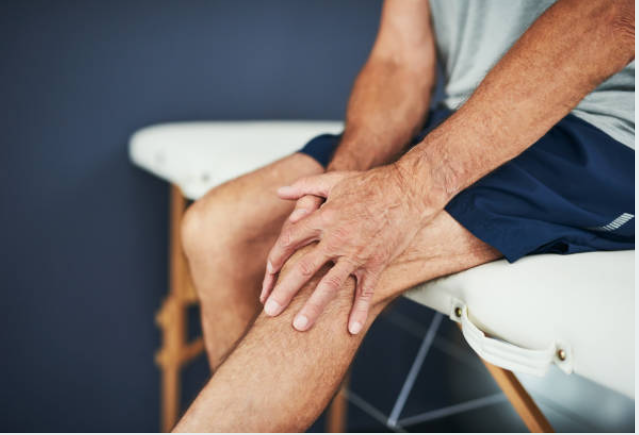
Arthritis can make everyday activities such as dressing, cooking, walking, bathing, and gripping objects painful and physically exhausting for seniors. Joint stiffness, inflammation, reduced flexibility, and muscle weakness often affect independence and quality of life over time.
Assistive devices are designed to reduce stress on affected joints while helping seniors perform daily tasks more comfortably and safely. These supportive tools minimise excessive bending, twisting, gripping, or pressure on painful joints, making everyday movement easier and less physically demanding.
For seniors living with arthritis in the hands and fingers, simple devices such as zipper pulls, button hooks, easy-grip utensils, and adaptive household tools can significantly improve comfort during routine activities. :contentReference[oaicite:0]{index=0}
Mobility limitations caused by arthritis can increase the risk of falls, injuries, and reduced confidence while walking or moving around the house. Walking aids such as canes, walkers, crutches, wheelchairs, and support braces help improve balance, reduce joint pressure, and support safer mobility.
Using appropriate assistive equipment allows seniors to maintain greater independence while reducing physical strain on knees, hips, ankles, and other affected joints.
Kitchen tasks can become difficult for seniors with arthritis due to painful gripping and repetitive hand movements. Ergonomic kitchen tools such as electric can openers, lightweight utensils, easy-grip containers, food processors, and long-handled cooking tools help reduce strain on inflamed joints.
Choosing appliances and dining accessories with comfortable grips and simple controls can make cooking and eating safer and more manageable for seniors living independently. :contentReference[oaicite:1]{index=1}
Long-handled reachers, dressing sticks, sock aids, and adaptive grooming tools help seniors perform personal care tasks without excessive bending or stretching. These devices support independence while reducing discomfort in the shoulders, hips, knees, and hands.
Simple modifications and adaptive tools can significantly improve confidence and reduce dependency on caregivers for daily routines.
Orthopedic braces, compression supports, finger splints, knee braces, elbow supports, and posture aids help stabilise painful joints while improving movement and reducing discomfort. These supports are commonly recommended for seniors experiencing arthritis-related weakness, swelling, or instability.
Using clinically recommended support devices can help seniors remain more active while managing pain more effectively during movement and rehabilitation.
An arthritis-friendly home environment helps seniors move more safely and comfortably throughout the day. Bathrooms should include grab bars, anti-slip flooring, stable handrails, elevated toilet seats, and easy-access bathing arrangements to reduce strain and fall risks.
Furniture placement, proper lighting, clutter-free pathways, supportive seating, and easy-to-reach storage areas can further improve comfort and accessibility within the home. Seniors should also consider using voice-assisted or stylus-enabled technology devices that reduce repetitive hand strain during daily communication and digital use. :contentReference[oaicite:2]{index=2}
At Antara, MedCare Products provide a wide range of assistive devices, mobility aids, bathroom safety products, orthopedic supports, wheelchairs, walkers, and rehabilitation equipment designed to support seniors living with arthritis and mobility limitations.
Arthritis can affect mobility, independence, and overall quality of life, but the right assistive devices and home modifications can help seniors manage daily activities more comfortably and safely.
By reducing strain on joints, improving mobility, and creating supportive living environments, assistive devices allow seniors to remain more active, independent, and confident while ageing with greater comfort and dignity.

Please fill in the form and submit the details to request an appointment.