
Loading...
Loading...
 BACK
BACK2024-02-15
Antara
Home health care or care at home refers to the medical and non-medical services provided within the comfort of a person's home. Non-medical home care includes meal preparation, assisting with daily activities such as bathing, eating, dressing, and providing companionship. Skilled home care can include treatment procedures like wound care, pain management, medication management, physical therapy, and occupational therapy.
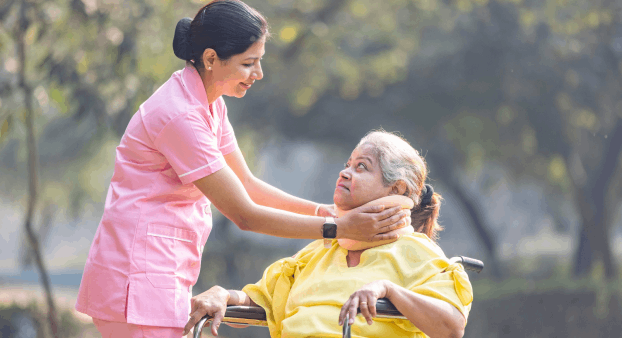
Convincing seniors to accept home healthcare can often be an emotionally sensitive process for families. Many older adults fear that accepting caregiving support may compromise their independence, privacy, and ability to manage their own lives.
For seniors who have lived independently for decades, depending on a caregiver for daily assistance can feel overwhelming. They may worry that they will lose control over their routines, decisions, and personal space if outside help is introduced into the home environment. :contentReference[oaicite:0]{index=0}
Social and cultural factors also influence how seniors perceive home healthcare services. Some seniors prefer family-led caregiving due to traditional values, while others worry about how accepting professional assistance may be viewed by relatives, friends, or society.
Past negative experiences, lack of awareness about modern home healthcare, and hesitation to trust outsiders can further increase resistance toward caregiving support. Financial concerns and fear of emotional isolation may also contribute to reluctance in accepting professional care. :contentReference[oaicite:1]{index=1}
Open, patient, and empathetic communication is essential when discussing home healthcare with seniors. Families should create space for seniors to express their concerns openly while acknowledging their emotions and perspectives respectfully.
Instead of focusing only on medical needs, conversations should highlight how home healthcare can improve comfort, safety, recovery, emotional wellbeing, and quality of life without taking away independence. Families should reassure seniors that caregiving support is designed to complement their routines rather than control them. :contentReference[oaicite:2]{index=2}
Introducing caregiving support gradually through a short-term or trial arrangement can help seniors become more comfortable with the idea of professional assistance. A trial period allows them to experience the practical benefits of home healthcare while reducing fear and uncertainty.
As seniors observe improvements in convenience, safety, and emotional comfort, they may become more open to accepting ongoing support services.
In many situations, involving a trusted doctor, physiotherapist, or healthcare professional can help families communicate the importance of caregiving support more effectively. Seniors are often more receptive when medical professionals explain how home healthcare can support recovery, chronic disease management, mobility assistance, rehabilitation, or long-term wellness.
Healthcare professionals can also help families create personalised care plans that balance medical support with emotional comfort and independence.
Transitioning into a caregiving routine should be gradual, respectful, and collaborative. Families should involve seniors in decision-making processes and ensure they continue to feel empowered and in control of their daily lives.
Professional home healthcare services today offer personalised caregiving, nursing support, physiotherapy, diagnostics, rehabilitation assistance, medication management, and emergency support within the comfort of home. This flexibility allows care plans to adapt according to evolving healthcare needs and personal preferences.
At Antara, Care at Home services are designed to provide compassionate caregiving and clinically supervised support while helping seniors maintain dignity, independence, emotional wellbeing, and continuity of care in familiar surroundings.
Resistance toward home healthcare is often rooted in fear, emotional uncertainty, and concerns about losing independence. Families who approach these conversations with empathy, patience, reassurance, and transparency can help seniors gradually feel more comfortable accepting support.
By focusing on safety, dignity, emotional wellbeing, and personalised care, professional home healthcare can become a valuable support system that improves both quality of life and peace of mind for seniors and their families.
Best Stroke Rehabilitation Centre in Bangalore: Recovery, & ...
Best Stroke Rehabilitation Centre in Chennai: Recovery, & Co...
How to Safely Get Out of Bed After Open Heart Surgery
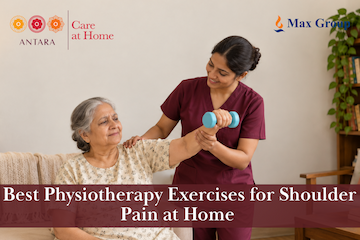
Best Physiotherapy Exercises for Shoulder Pain at Home
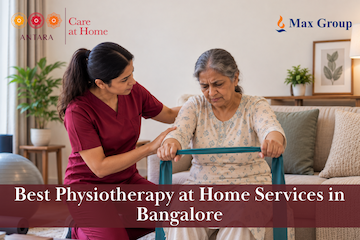
Best Physiotherapy at Home Services in Bangalore

Please fill in the form and submit the details to request an appointment.