
Loading...
Loading...
 BACK
BACK2026-10-05
Getting out of bed after open heart surgery can feel difficult, especially during the first few days of recovery. Simple movements may require extra care because the chest and body are still healing. Knowing how to move safely, protect the surgical area and get the right support can make this part of recovery more comfortable. In this guide, we explain simple steps and precautions to help you get out of bed safely after open heart surgery.

When Can a Patient Get Out of Bed After Open Heart Surgery?
Nurses usually get you sitting up within the first day. Standing too. That's not reckless. It's the opposite. Moving early helps you avoid blood clots. It helps you avoid pneumonia too. Both are real risks after this kind of surgery.
You won't do this alone at first. A nurse or physiotherapist stays with you. They guide every move. Every single time.
Sternal precautions usually last six to eight weeks. That's just the term for protecting your healing breastbone. Getting up the right way matters on day thirty just as much as day one. Maybe more.
Right after surgery, you need cardiac rehabilitation. Where a team will together on your recovery plan. We plan for surgery but never for recovery. Antara offers cardiac rehabilitation that includes, PMR led recovery plan, physiotherapists, nutritionists, speech & swallow therapists. They will initially help you to start on your back.
Then will help you getting out of the bed with support. Then therpies will help you build strength and improve mobility.
A few habits creep in without people even noticing.
Cardiac rehabilitation builds real structure around this. Paced to what your heart and chest can actually handle.
A rehab team tracks your heart rate. Your oxygen levels too. They watch how you respond to each new bit of activity. This isn't guesswork. It's small steps, backed by real numbers.
It's not just physical either. A lot of patients feel scared to move after heart surgery. That fear is real. Guided practice, done with someone watching, slowly rebuilds trust in your own body again.
Good post operative care after heart surgery means physiotherapy, nursing, and medical oversight all working together. Not separate pieces you have to manage on your own.
Some signs mean stop right now. Call for help.
Sudden chest pain. Pressure that wasn't there before. Clicking or popping near your breastbone. Swelling or redness that looks new. Shortness of breath that doesn't ease up, even resting.
Dizziness that won't go away after sitting for a minute needs attention too. Don't push through any of this. Even if it feels small.
Real, structured support changes how this goes. Especially early on.
At Antara, post-operative care after heart surgery runs on a PM&R led model. A physician oversees physiotherapy and mobility work, all as one plan. Nursing stays on hand 24x7, trained specifically for safe movement after cardiac surgery. Rooms come with grab bars and equipment built for exactly this. An in-house pharmacy and nutrition support round out the stay too.
1. How soon can I get out of bed after open heart surgery? Usually within the first day, always with a nurse or physiotherapist right there.
2. What is the safest way to get out of bed after heart surgery? Roll onto your side as one piece. Let your legs drop off. Push up through your forearm, not your palm.
3. How long do I need to be careful getting out of bed? Around six to eight weeks, though your surgical team will confirm the exact timeline for you.
4. Can I use my arms to push myself up after heart surgery? No. That puts direct strain on your healing breastbone. Avoid it.
5. Does cardiac rehabilitation help with safe mobility after surgery? Yes. It gives you guided, monitored movement that rebuilds strength and confidence at a pace your heart can handle.
Getting out of bed after open heart surgery isn't hard. It just needs the right technique. Move as one piece. Keep your arms out of it. Take it slow. Do that, and your healing sternum stays protected. With time and a bit of patience, this becomes second nature within a few weeks.
Best Stroke Rehabilitation Centre in Bangalore: Recovery, & ...
Best Stroke Rehabilitation Centre in Chennai: Recovery, & Co...
Best Physiotherapy Exercises for Shoulder Pain at Home
Best Physiotherapy at Home Services in Bangalore
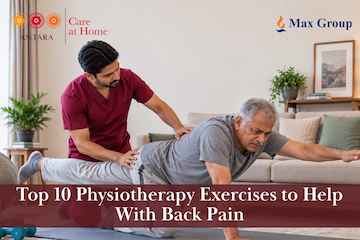
Top 10 Physiotherapy Exercises to Help With Back Pain

Please fill in the form and submit the details to request an appointment.