Loading...
Loading...
 BACK
BACK2026-09-21
Summary
Getting to a clinic isn't always easy. Not after surgery. Not with a bad back. Not when a parent can barely stand up straight. Physiotherapy at home solves that problem directly. A trained therapist comes to you instead, with everything needed for a proper session. In Bangalore, home physiotherapy has grown into a real, reliable option, not a backup plan for people who can't manage a clinic visit. This guide walks through who actually needs it, how it works, and what to look for in a good provider.
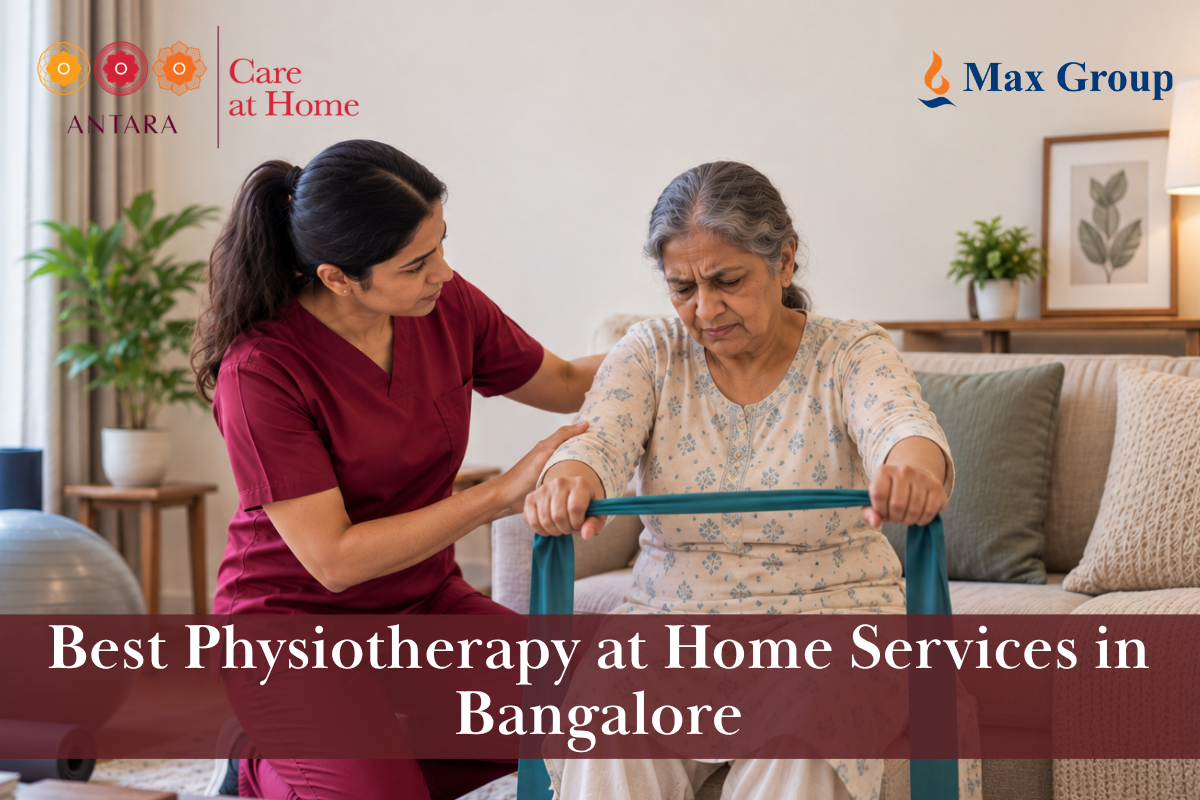
More people than you'd think, honestly.
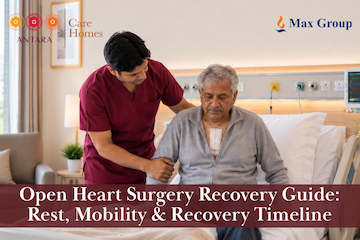
Post-surgical patients top the list. Walking to a clinic days after a knee or hip replacement just isn't realistic. It's often not even safe. Elderly parents managing arthritis or balance issues benefit too. So does anyone recovering from a stroke, where regular sessions matter more than convenience does.
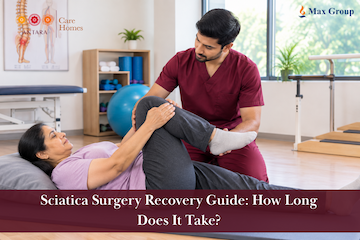
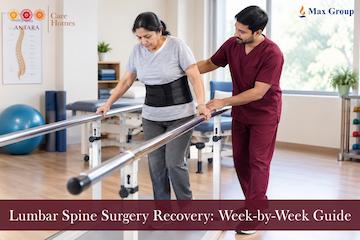
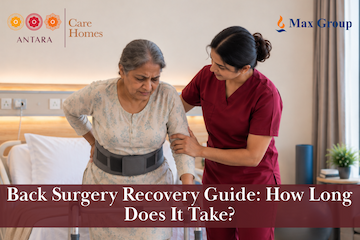
Chronic pain changes things as well. Back pain. Neck pain. Old injuries that never fully healed. Home physiotherapy works well here too, since consistency matters more than location ever does.
New mothers sometimes need it. So do people managing conditions like Parkinson's, where travel itself becomes a real barrier. If getting out is hard, home physiotherapy removes that barrier completely. It puts the session where the person already is.
Not every provider does this the same way.
A trusted at home health care send qualified, licensed physiotherapists. Not general attendants. Not someone with a weekend certification and a borrowed mat. Real training matters here, especially for home physiotherapy for post-surgery care where the wrong movement can really set someone back.
They also build a plan around you specifically. Your condition. Your goals. Your pace. A cookie-cutter routine copied from the last patient doesn't work the same way twice, and it shows in the results.
Availability matters too. Some providers offer morning slots only. Others work around your schedule properly, evenings included, weekends too if needed. Ask directly. A good home physiotherapy service in Bangalore should have clear, straightforward answers, not vague promises about "flexibility."
Equipment matters as well. A therapist showing up empty-handed, expecting you to have resistance bands and exercise mats lying around, isn't setting you up to succeed. The right provider brings what's needed, every single visit, without you having to think about it.
It usually starts with an assessment.
A physiotherapist visits, reviews your condition, and builds a plan around what you actually need. This might mean strength work, mobility training, pain management techniques, sometimes all three together, depending on the case.
Sessions happen on a set schedule. Twice a week for some. Studies suggest that regular physiotherapy is required for more intensive cases like early post-surgical recovery. The therapist brings whatever equipment is needed. Bands. Balance tools. Sometimes small weights, sometimes just their hands and expertise.
Progress gets tracked properly. A good therapist adjusts the plan as you improve, not sticking to the same routine for months regardless of how you're actually doing week to week.
Communication with your doctor happens too, when your case needs that kind of coordination between specialists.
Most sessions run thirty to forty-five minutes. Consistency matters more than any single session though. That's really what drives real progress here, session after session, week after week.
Antara sends real, qualified physiotherapists directly to your door. Not a generic service. A properly matched one, built around who's actually receiving care.
Every plan gets built around the individual. Post Surgery recovery looks nothing like managing a parent's arthritis, and Antara treats that difference seriously from day one, not as an afterthought once the first session starts. Therapists come equipped, ready to work, without you needing to arrange anything extra or scramble for equipment beforehand.
Communication stays consistent too. Updates. Clear plans. Real answers when you ask questions, not vague reassurances that leave you guessing. For families managing care from a distance, that kind of reliability often matters as much as the physiotherapy itself. Knowing exactly what's happening, and why, changes how the whole experience feels.
1. What conditions benefit most from physiotherapy at home? Post-surgical recovery, stroke rehabilitation, chronic pain, and elderly mobility issues all respond well to home-based sessions, since consistency matters more than the setting itself.
2. How often should home physiotherapy sessions happen? It depends on the condition. Some cases need daily sessions early on. Others do well with two or three visits a week, tapering as strength returns.
3. Is home physiotherapy as effective as clinic visits? Yes, often more so. Consistency matters most, and home sessions remove the barrier of travel entirely, which means fewer missed or delayed sessions overall.
4. What should I look for in a home physiotherapy provider? Qualified therapists, individualized plans, proper equipment brought to every visit, and clear communication about how your progress is actually going.
5. Does Antara offer physiotherapy at home in Bangalore? Yes. Antara sends trained physiotherapists directly to your home, with plans built around your specific needs and regular updates along the way.
Physiotherapy at home isn't a compromise. For a lot of people in Bangalore, it's simply the better option. Real therapists. Real plans. Delivered right where recovery actually happens, without the added stress of getting there.

Please fill in the form and submit the details to request an appointment.