
Loading...
Loading...
 BACK
BACK2022-09-20
Dr. Divya Mathew
If you’re worried about managing depression in your elderly parents or a loved one, connect with Antara's expert care team today. Early support can make a huge difference in their emotional well-being.
Clinical depression in elderly people is common. That does not mean it is normal. Depression in older people is also frequently confused with the effects of multiple illnesses and the medicines used to treat them. The likely reason is that older people often display symptoms of depression differently.
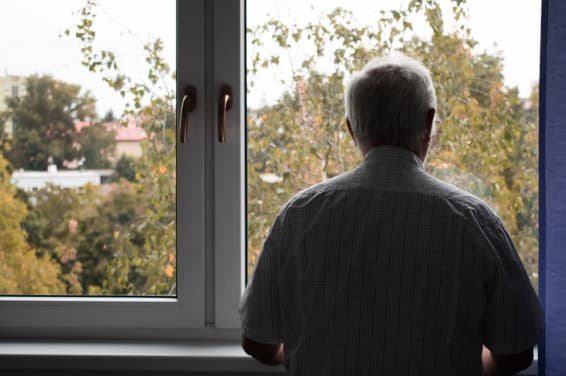
Depression in elders or older adults is tied to a higher risk of cardiac diseases and of death from illness. At the same time, depression reduces an older person's ability to rehabilitate. Studies of nursing home patients with physical illnesses have shown that the presence of depression increases the likelihood of death from those illnesses. For that reason, it is important to make sure that an older adult you are concerned about is evaluated and treated, even if the depression is mild.
Older people may not have the obvious symptoms of depression. Instead, they may:
● Feel tired
● Have trouble sleeping
● Be grumpy or irritable
● Feel confused
● Struggle to pay attention
● Not enjoy activities they used to
● Move more slowly
● Have a change in weight or appetite
● Feel hopeless, worthless, or guilty
● Endure aches and pains
● Have suicidal thoughts
Using a series of standard questions, a primary care doctor can check for depression, allowing for better diagnosis and treatment. Doctors are encouraged to routinely check for depression. This can happen during a visit for a chronic illness or at a wellness visit.
Many seniors go through major life changes that could make them more vulnerable to depression. But it is heart breaking to stand by and watch someone deal with depression or loneliness on their own.
Sharing ten ways that can help in coping with depression in the elderly and improve their quality of life.
1. Treat sleeping problems
Many seniors who live alone are prone to sleeping problems which can aggravate depression. To prevent serious depressive episodes, ensures that the older adult keeps a regular sleep schedule and does not take daytime naps.
If the person suffers from sleep disorder, keep or necessary medication close at hand.
2. Promote a sense of purpose
Struggle with depression is much tougher for people who have lost their sense of purpose in life.
To keep loneliness and brooding at bay, encourage the elderly to take up a hobby. You can also talk them into trying social pastime activities such as card playing, yoga, or walks with assistance.
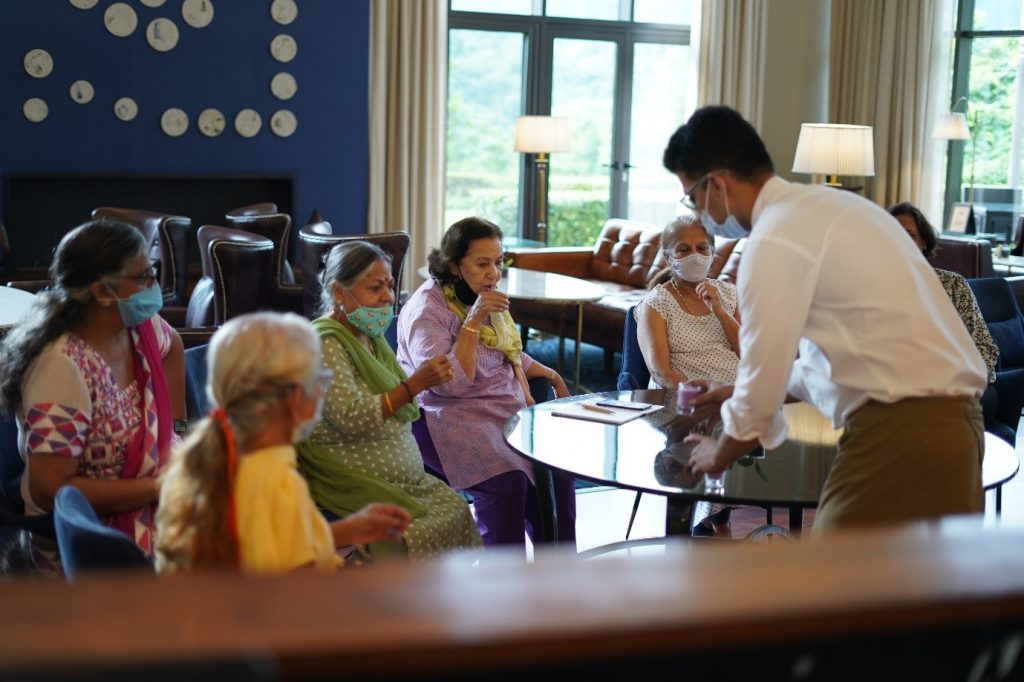
3. Encourage social interaction
Do not let your loved one deal with depression on their own: encourage them to visit friends and extended family, take part in group outings, and attend community events.
Research that an active social life improves physical, mental, and emotional health, which are especially important for the elderly struggling with loneliness and depression.

4. Keep them physically active
Research found that physical activity can be lifesaver for aging persons. Gentle exercises such as walking, mild stretches, that can help a senior stay in a better physical, mental, and emotional shape.
One can also encourage the depressed person to sign up for a group exercise class like yoga; as they might even make friends with like-minded peers.
5. Make sure they eat healthy
Dealing with an aging person’s depression is easier if you know what foods to serve them.
Fibre-rich food such as fruit and vegetables are necessary for seniors, and so are whole grains and lean protein. Serve vegetables lightly cooked, and minimize sugar, starch, and unhealthy fats.
6. Entrust them with a chore
Seniors who live alone often get caught up in a whirlwind of negative thinking. It would be great if you could entrust them with a meaningful responsibility.
For mobile seniors, a pet sometimes makes a perfect companion that will make them feel loved and needed, keeping them physically active, and serve as a social lubricant. For some, caring for a plant can also be a potent mood-booster.
7. Show them they are loved
Love makes the world go round, and it can help keep depression in older adults under control. Show aging seniors that they are loved and are needed; listening to them, and hugging them ; if an elderly permits; also does wonders.
Expressions of love are especially important for widowed seniors who need more support and affection to deal with grief.
8. Seek professional help
Decreases in appetite and behavioural changes can be common signs of depression in the elderly, indicating that the condition is getting worse. Contact a mental health professional and sign the senior up for concelling if you suspect the disorder is getting out of hand.
The therapist may recommend antidepressants, but in less serious cases, alternative medicine like occupational therapy may be a better option.
9. Keep an eye on pills
In case your depressed family member is using antidepressants, you should make sure they take medications regularly and obey doctor’s orders in terms of dosage, lifestyle, and diet.
You may also need to remind them to take their daily dose and watch the medicine cabinet for signs of abuse or skipped doses.
10. Consider home care
For senior family members who are living independently, you can hire someday a day and help with day-to-day chores such as grocery shopping and bathing. While coping with depression is tough, it is even more difficult to watch an aging family member struggle alone with it.
Based on the signs, one can also opt for a Care Home. Antara Care Homes offer continuous medical care and assistance in daily living of the seniors in a home-like environment with comfortable accommodation, recuperative care and rehabilitation offering.
Antara Care Homes ensures that elders receive specialised care in a safe infra with balanced diet, mental simulation activities and therapies. Even the care plans are customised as per the need and preferences of the elderly to manage the daily activities with a focus on mental rehabilitation.
To know more about Antara Care Homes facilities for seniors, located in Delhi NCR, call us at +91 9811 44 1111 or drop us a line at aacsl.customercare@antaraseniorcare.com.
Need guidance or personalized support for your loved one's mental health? Fill out our quick query form, and our team will get in touch to help you navigate the right care options for them.
Conclusion
Depression in elderly people is a major health issue. If your lovely senior has this problem they need prompt attention and help from doctors. Research shows that many people over 60 have mental health problems, but doctors can treat many depression cases when they spot them early and handle them right.
If you're taking care of an older person or you're their family, you should look out for early signs, ask them for a doctor's check-up, and give steady emotional backing during treatment. This guide offers ways to help—from addressing sleep problems to considering professional help. These methods build a good base to tackle depression while keeping the person's self respect and making sure doctors stay involved.
Keep in mind that depression isn't a normal part of getting older. If you notice ongoing sadness pulling away from others, or changes in day-to-day activities, talk to a doctor right away. Getting checked out by a professional, along with help from family and proven treatment methods, can make a big difference in your loved one's life and how they feel as they work to get better.
Keep an eye out for sadness that lasts more than two weeks, pulling away from family and activities, changes in how you sleep or eat, feeling tired for no reason, trouble remembering things, and losing interest in things you used to enjoy. Physical signs like unexplained pain, moving slower, and big changes in weight also point to possible depression that needs a doctor's look.
If they don't want to socialize with others it is the most damaging habit for older adults with depression. Pulling back from family, friends, and community events starts a cycle that makes depression symptoms worse. Skipping doctor visits, not taking care of yourself, and turning down help from others also make it much harder to get better. Staying connected with people and accepting support play a key role in successful treatment.
Lifestyle changes play a big role in treating depression. Working out, eating well, and having fun hobbies boost your mood and brain power. But these work best when you pair them with professional help.
Best Stroke Rehabilitation Centre in Bangalore: Recovery, & ...
Best Stroke Rehabilitation Centre in Chennai: Recovery, & Co...

How to Safely Get Out of Bed After Open Heart Surgery

Best Physiotherapy Exercises for Shoulder Pain at Home
Best Physiotherapy at Home Services in Bangalore

Please fill in the form and submit the details to request an appointment.