
Loading...
Loading...
 BACK
BACK2021-11-15
Antara Care Homes
If you’re unsure how to manage recovery at home after discharge, speak to our team today and let Antara guide you at every step of your journey.
Infections, fractures, chronic conditions, emergencies, surgeries, and more; people can get admitted in the hospital for various reasons. While some factors may be beyond our control, seniors are at a higher risk of requiring hospitalization. These factors highlight the major causes of hospital readmission among older adults. A recent study was conducted on the elderly health in India by evaluating 555,115 individuals, of which 42,762 were seniors. The study revealed that:
● 7.7% reported suffering from an ailment in the last 15 days
● 8.5% had been hospitalized during the last 365 days
● The hospitalization rate was higher in the urban areas
● At 18.1%, cardiovascular ailments were the major cause for hospitalization
Under the flagship scheme of Government of India, PM-JAY alone, approximately 1 in 20 patients get readmitted to a hospital within 30 days of discharge, and 1 in 50 readmitted within 7 days. While hospitalization might be unavoidable, more often than not, readmissions are preventable. They could be triggered by factors ranging from quality of healthcare and treatment of underlying problems, to poor therapy and post discharge care. A huge percentage of readmissions can be avoided with better assessment, patient education, and aftercare , contributing significantly to senior readmission prevention.
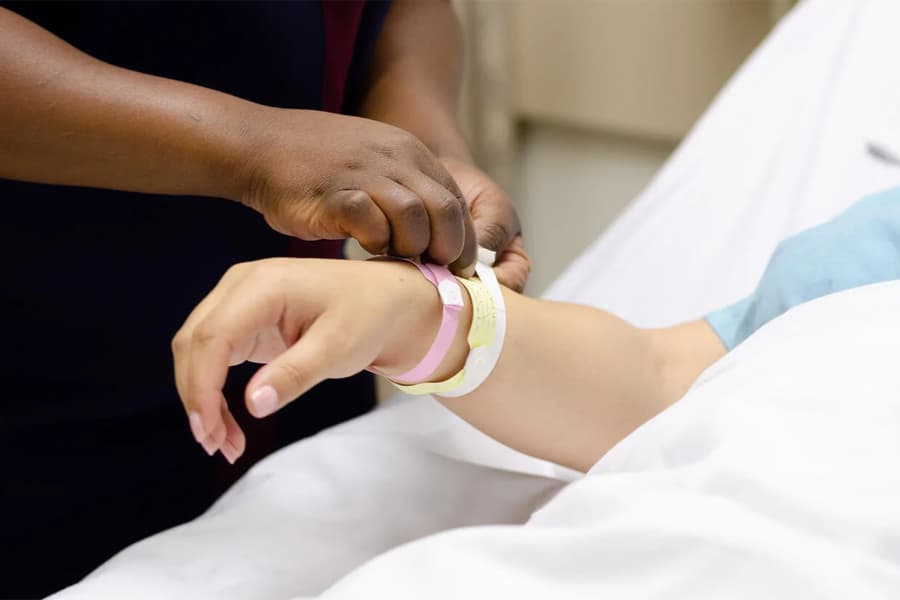
What are the common reasons for hospital readmissions?
Many of these hospital readmission causes have a direct impact on senior health.
● Non-compliance with treatment and medications
Some patients refuse to follow treatments and medicines prescribed post-discharge due to various reasons ranging from unwillingness and ignorance to not understanding the importance of these plans. Many patients also miss out on their follow-up appointments. Failure to follow doctor’s orders, results in health complications and increased chances of hospital readmissions.
● Reinfections and complications
Patients, especially seniors are under increased risk of contracting an infection from the hospital during their stay or have a recurrence of the infection they were initially admitted for. Seniors with conditions like heart failure, pulmonary disease, chronic kidney disease, UTIs, etc. have higher risk factors and possibilities of more severe complications, increasing the need for readmissions.
● Falls and related injuries
Post-discharge, patients are not at their best physically, and the body needs time to recuperate. More often than not, patients are weak, unstable, and might even experience cognitive impairments. This makes them vulnerable to falls that could cause serious injuries which could land them back in the hospital.
● Nutritional deficiencies
A highly nutritious diet that follows all the dos and don’ts suggested by the physician plays an active role in ensuring full patient recovery. Along with the prescribed medication, timely meals that are made in accordance with a diet plan given by a nutritionist aids faster recovery and helps avoid malnutrition or weakness that could result in readmissions.
Senior readmission prevention strategies
Effective readmission prevention strategies focus on consistent follow-up care, timely medical management, personalized diet planning, regular monitoring of vitals, and ensuring seniors have the support they need to follow post-discharge instructions. Providing a structured environment with trained caregivers, access to nutritionists, and ongoing medical supervision helps reduce complications and support smoother recovery for older adults.
Why opt for a care home
While post-discharge care is important for patients of all age groups, seniors are more prone to infections, falls, complications, and may be non-compliant to medications or treatment plans prescribed by the doctor. The transition from the hospital to the patient’s home or care facility and adhering to the detailed post-discharge orders are integral to a patient’s recovery. In cases like heart attacks, strokes, and other major surgeries or chronic illnesses, special care must be given to the patient.
Antara Care Homes are specialised to cater to the post-operative care needs of seniors, fully equipped with state-of-the-art facilities and certified caregivers specialized in senior care, to ensure they make a safe and speedy recovery.
Safe, sanitized, senior-friendly residences
Customized care plans co created with consulting doctors that cater to individual needs
Dietitians to check on nutritional requirements
24/7 attendants, in-house doctors and diagnostic facilities
With a team of experts providing specialised care 24/7, Antara’s Recuperative care services provide unmatched post hospitalization recovery care of seniors. To know more about Antara Care Home facilities for seniors, call us at +91 9811 44 1111 or drop us a line at carehomes@antaraseniorcare.com.
If you want your loved one to recover safely at a place that truly understands senior needs, choose Antara care homes for dependable post-hospitalization care.
Conclusion
When we are talking about the biggest challenges in the landscape of senior care, hospital readmissions sit right at the top with many patients returning within 30 days of discharge. Common causes of hospital readmissions are (including but not limited to):
Many of these readmissions are preventable. You need to plan your discharge comprehensively, educate your seniors and give them aftercare in a more coordinated manner. Remember they are vulnerable (complex health needs, the risk of falls, or nutritional deficiencies after leaving the hospital). By prioritizing clear communication, timely follow-up appointments, and medication management, families and caregivers can help reduce the risk of unnecessary hospital returns. At Antara Senior Care, our team is dedicated to supporting safe transitions from hospital to home offering personalized care plans and ongoing support.
If you have concerns about post-discharge care, reach out to our specialists for guidance and peace of mind.
Patients may return due to unresolved health issues, complications from their initial illness, medication problems, or lack of proper support at home. Inadequate follow-up care and misunderstanding of discharge instructions also contribute to readmissions.
Yes if your seniors are missing follow-up appointments (or lacking coordinated aftercare) the risk of complications and unaddressed health concerns increases a lot, making readmission more common.
Absolutely. Errors related to medicines (missed doses, incorrect prescriptions, or harmful drug interactions) are a leading cause of hospital readmissions. Carefully review medicines before giving them and follow instructions (given at discharge) properly to prevent these issues.
Yes infections acquired after treatment (surgical site or urinary tract infections) are a common cause of readmission. You can protect your seniors by caring for their wounds properly, focusing on their hygiene and watching for early detection of symptoms if any.
Ignoring or misunderstanding discharge instructions can result in missed medications, improper wound care, or failure to recognize warning signs. This increases the likelihood of complications and the need for another hospital stay. Always clarify any doubts before leaving the hospital.

Please fill in the form and submit the details to request an appointment.