Loading...
Loading...
 BACK
BACK2022-01-22
If you’re exploring elder care options and want to understand the role of care coordinator in assisted living, here’s everything you should know before choosing the right community for your loved one.
Assisted care is essentially long-term care services aimed at the elderly, to provide them an array of facilities vis-à-vis housing, personal care, and most importantly, healthcare. The best-assisted living facilities are designed in a way that immediately responds to people who need assistance with their daily activities, while also promoting maximum independence for them.
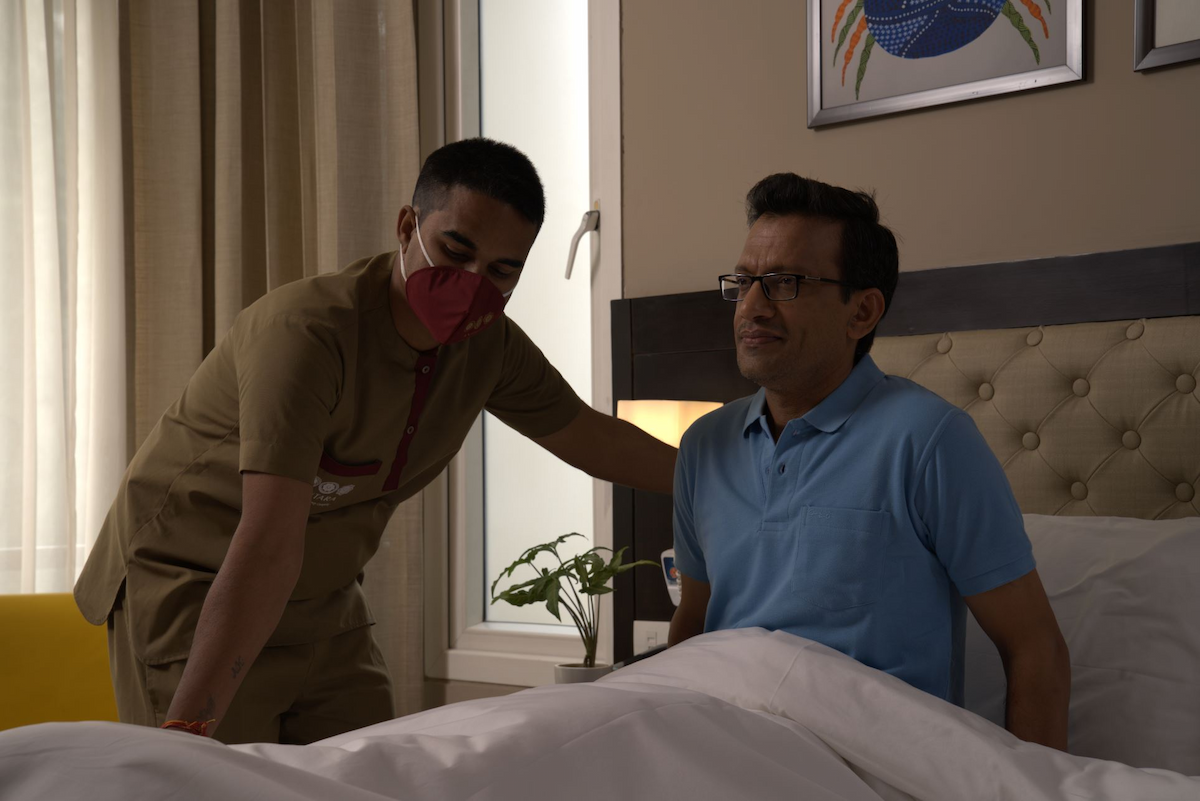
While most understand how assisted care facilities operate, have you ever wondered what the team members and other staff at these communities do all day? Who are the people who take care of your loved ones’ daily needs?
In order to understand the primary role of team members in such facilities, we first need to understand who exactly needs an assisted care service. Most people living in an assisted care home need help with basic living skills and daily health monitoring but do not necessarily require medical oversight for major illnesses. Which is why most assisted living facilities have certified nursing assistants and attendants to monitor a senior’s daily health conditions, and are responsible for their safety and welfare. And even though serious illnesses are taken care of in hospitals, almost all assisted care communities will have a doctor on call to respond to any emergency.
Senior care service coordination becomes an integral part of assisted living, ensuring safe, comfortable, and personalised support for every resident.
The Role of Different Staff Members in Assisted Living
Personal attendants and maintenance teams
Assisted care communities also consist of personal attendants to help seniors with daily activities of walking, bathing, dressing, etc., and orderlies who are responsible for maintaining hygiene and cleanliness in the entire facility. There is also the maintenance team that ensures that the facilities in an assisted care home are always top-notch, and don’t cause any injuries to senior residents. The care provided by these team members is crucial for the welfare of residents in an assisted care community and goes a long way in aiding active aging for seniors. This clearly highlights the importance of staff teamwork in care home settings, ensuring seamless support every day.
Nutritional and activity teams
In addition, assisted care communities also have team members to look after the nutritional requirements of its residents, and ensure that the food provided is as homely as possible. There are also other team members to plan, execute and oversee all activities for senior residents such as guided exercises, meditation, excursions to sightseeing destinations, and other social events such as movie nights, all of which ensure that residents always have plenty to do. Together, all these efforts reflect the importance of coordinated care in assisted living, where multiple teams work together to support seniors' health.
Choosing the Right Assisted Care Community
Why strong team coordination matters
As you start your search for the best-assisted care community for your aging loved ones, make sure that you choose a place where team members build meaningful, long-lasting relationships with the residents that makes them feel safe, happy and cared for. Antara Senior Care ensures that all these are taken care of, and your loved ones live a hassle-free life under the expert care of our team.
The Antara approach
Right from medical assessments, personalised plans, to regular doctor visits, emergency coordination, and community activities, Antara ensures that the elderly can continue to live a life of independence and dignity. We create an environment that helps people relax, rejuvenate, and reconnect with themselves, so that they live an active and engaging life in the company of like-minded people. To choose the Antara Way of Life, contact us on +91 98114 41111
To experience compassionate, coordinated, and dependable senior care for your loved ones with 24/7 medical support, personalised care plans, dedicated care coordinators, round-the-clock emergency assistance, and a safe homely environment, Antara is the choice you should make.
Conclusion
Just like any team, the success of an assisted care community depends on experts who join forces and provide you or your loved ones with complete and personal care. From certified nursing assistants (who help with daily personal care) to administrators (who make sure rules are followed), each team member has an essential part in building a safe supportive place where older adults can keep their dignity and freedom. The team approach we've looked at shows how good care coordination between health care providers personal helpers, food staff, and activity planners has a direct impact on how well residents do.
When doctors, nurses, therapists and social workers work together, residents get better health results, fewer medical problems and more emotional support that also helps their families.
Today's assisted living places have grown beyond just basic care. They now offer skilled medical oversight, custom care plans, and round-the-clock health checks. This setup by professionals makes sure each person gets the right care for their specific needs. At the same time, it keeps safety and care quality at the top level.
When you're picking an assisted care home for someone you love, knowing about the role of care coordinators in assisted living helps you. It lets you make smart choices about the kind of expert support they'll have.
Staff responsibilities in assisted care communities are (including but not limited to):
Administrative staff manage facility operations, maintain regulatory compliance, and oversee care quality. Each team member contributes to creating a comprehensive support system that addresses medical, social, and emotional needs.
Your caregiver can help you with activities of daily living (bathing, grooming, dressing, meal preparation and feeding). They help with mobility, medication reminders, and bathroom assistance while encouraging independence whenever possible. Caregivers also offer companionship, motivate you to take part in social activities, and report any changes in health or behavior that require medical attention.
Assisted living staff duties vary by position but generally include direct resident care, health monitoring, medication management, activity coordination and maintaining detailed care records. Personal care assistants focus on daily living support, while nurses handle medical oversight. All staff receive specialized training in healthcare regulations, emergency procedures, and person-centered care approaches to ensure professional, compassionate service delivery.
Team leaders supervise the work of assisted care staff, manage their daily schedules, ensure that all the policies are implemented, and maintain quality assurance standards, coordinate between different departments, manage budgets, ensure regulatory compliance, and are the primary communication link between administration and frontline caregivers.
Healthcare teams provide coordinated medical oversight through collaboration between primary care doctors, nurses, therapists, and social workers and try to reduce medical complications and enhance emotional support for both residents and families. Teams develop care plans as per the needs of your loved ones, conduct regular health assessments, manage chronic diseases, and integrate telemedicine services to ensure comprehensive, expert medical care.

Please fill in the form and submit the details to request an appointment.