
Loading...
Loading...
 BACK
BACK2026-05-26
Dr. Rohan
Neuro rehabilitation physiotherapy plays an important role in helping people recover after conditions like stroke disease, brain injury, Parkinson’s disease, spinal cord injury, or nerve-related problems. Many patients face difficulty in walking, balancing, speaking, or doing daily activities after a neurological condition. With the right physiotherapy treatment and regular rehabilitation, patients can slowly regain strength, confidence, and independence.
A proper neurological rehabilitation program focuses on improving mobility, balance, muscle strength, coordination, and overall quality of life. Experienced physiotherapists use personalized exercises and advanced rehabilitation techniques based on the patient’s condition and recovery goals. Early rehabilitation and continuous therapy can make a big difference in recovery and help patients return to their normal routine in a safer and faster way.
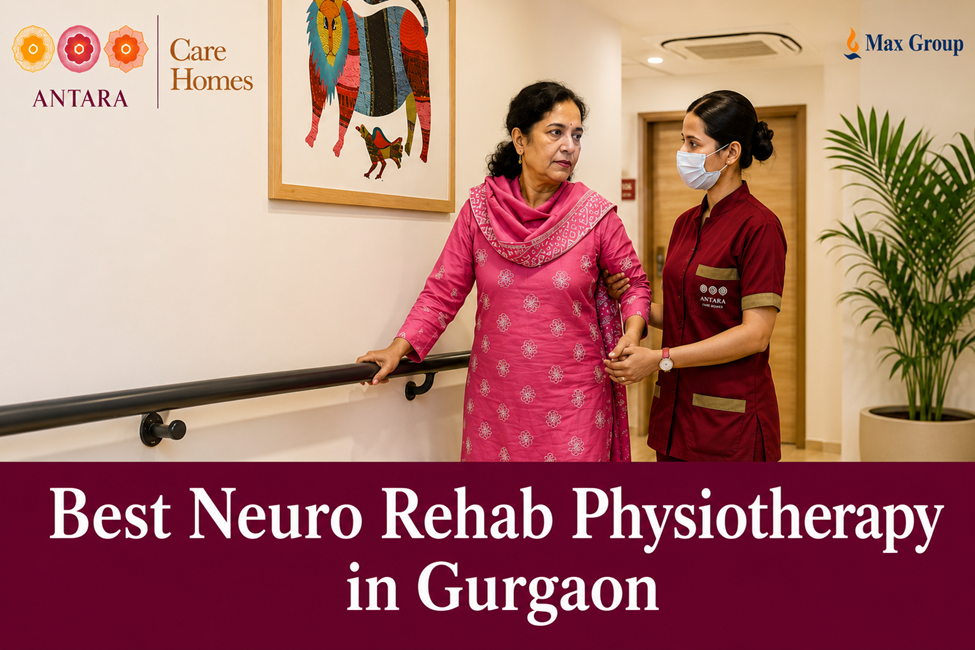
Neuro rehabilitation helps patients recover from neurological conditions that affect movement, balance, coordination, speech, and daily activities. A personalized neurological rehabilitation program can improve physical strength, mobility, and independence. Below are some common conditions treated through neuro rehabilitation physiotherapy:
Brain stroke causes weakness, paralysis, balance issues, and difficulty in speaking or walking. Neuro rehabilitation helps improve movement, muscle strength, coordination, and daily functioning through targeted physiotherapy exercises.
Patients with Parkinson's disease may experience tremors, stiffness, slow movements, and balance problems. Neuro physiotherapy focuses on improving mobility, posture, flexibility, and reducing the risk of falls.
Spinal cord injuries can affect movement and sensation in different parts of the body. Rehabilitation helps patients regain strength, improve mobility, and achieve better functional independence.
Brain injuries caused by accidents or trauma can impact physical and cognitive abilities. Neuro rehabilitation supports recovery by improving coordination, balance, muscle control, and daily activity performance.
Multiple sclerosis can cause muscle weakness, fatigue, and difficulty in movement. Physiotherapy helps improve strength, flexibility, balance, and energy management.
Conditions causing paralysis or muscle weakness require structured rehabilitation to improve mobility, posture, and muscle function while preventing complications.
Nerve-related conditions can lead to pain, numbness, weakness, and balance problems. Neuro rehabilitation helps improve coordination, strength, and walking ability.
People facing difficulty in walking, frequent falls, or poor balance can benefit from gait training and balance exercises to improve safety and confidence.
Patients recovering after neurological surgeries may need rehabilitation to regain strength, movement, and functional abilities for smoother recovery.
Children and adults with cerebral palsy can benefit from neuro physiotherapy to improve posture, movement, muscle control, and overall physical function.
At Antara Senior Care, our neuro rehabilitation approach focuses on helping patients regain mobility, confidence, and independence after neurological conditions like stroke, Parkinson's disease, spinal cord injury, brain injury, and paralysis. We believe that every patient's recovery journey is different, which is why we provide personalized and compassionate rehabilitation support in a safe and senior-friendly environment.
Comprehensive Patient Assessment
Our rehabilitation journey begins with a detailed assessment by experienced physiotherapists and clinical experts. We evaluate the patient's muscle strength, mobility, balance, coordination, pain levels, and daily functional abilities to understand their recovery needs.
Personalized Rehabilitation Plans
Every patient receives a customized neuro rehabilitation program designed according to their medical condition, recovery goals, and physical capabilities. The treatment plan is regularly monitored and modified based on progress.
Multidisciplinary Care Team
Our neuro rehabilitation program involves a team of physiotherapists, doctors, nurses, occupational therapists, speech therapists, and caregivers working together to provide holistic recovery support.
Advanced Neuro Physiotherapy Techniques
We use evidence-based neuro rehabilitation techniques to improve strength, movement, coordination, posture, and balance. Therapy sessions may include:
Focus on Daily Independence
The main goal of neuro rehabilitation at Antara Care Home is to help patients regain independence in daily activities such as walking, sitting, standing, eating, and personal care.
Safe & Senior-Friendly Recovery Environment
Our care homes are designed with patient safety and comfort in mind. Features like grab bars, wheelchair-friendly spaces, fall prevention measures, and 24/7 clinical support create a secure recovery environment.
Emotional & Family Support
Recovery from neurological conditions can be emotionally challenging for both patients and families. Our team provides continuous emotional support, counselling, and regular family updates throughout the rehabilitation journey.
Continuous Monitoring & Progress Tracking
We closely monitor every patient's progress and recovery milestones to ensure effective rehabilitation outcomes and timely modifications in therapy plans.
Holistic Recovery Approach
At Antara Care Home, we focus not only on physical recovery but also on emotional wellbeing, nutrition, engagement, and overall quality of life to support long-term neurological recovery.
Neuro Rehabilitation Recovery Timeline
The recovery timeline in neuro rehabilitation can vary from person to person depending on the neurological condition, severity of the illness, age, overall health, and consistency of therapy. Some patients may recover faster, while others may require long-term rehabilitation support. Regular physiotherapy, medical care, and family support play an important role in improving recovery outcomes.
During the initial stage, the focus is on stabilizing the patient’s condition, reducing complications, and improving basic movements. Patients may begin gentle physiotherapy, breathing exercises, positioning, and assisted mobility training.
Goals During This Stage:
This phase focuses on improving mobility, balance, muscle strength, and coordination. Patients gradually become more involved in daily activities and functional training.
Goals During This Stage:
Patients usually show noticeable improvement during this stage with regular neuro rehabilitation and physiotherapy sessions.
Some neurological conditions require continuous rehabilitation and long-term care support. The focus shifts towards maintaining recovery, improving quality of life, and preventing complications.
Neurological recovery is usually gradual and requires patience, regular therapy, and proper medical supervision. Early intervention and continuous neuro rehabilitation can significantly improve mobility, independence, and overall quality of life.
Neuro rehabilitation physiotherapy plays a very important role in helping patients recover after neurological conditions like stroke, Parkinson’s disease, spinal cord injury, brain injury, and paralysis. With the right rehabilitation program, patients can improve their mobility, balance, strength, coordination, and overall independence. Recovery may take time, but consistent physiotherapy, medical support, and emotional encouragement can make a significant difference in improving quality of life.
At Antara we provide personalized neuro rehabilitation programs supported by experienced physiotherapists, multidisciplinary care teams, and a safe recovery-focused environment. Our goal is to help every patient achieve the best possible recovery outcomes with compassionate and holistic care.
Best Stroke Rehabilitation Centre in Bangalore: Recovery, & ...
Best Stroke Rehabilitation Centre in Chennai: Recovery, & Co...

How to Safely Get Out of Bed After Open Heart Surgery

Best Physiotherapy Exercises for Shoulder Pain at Home
Best Physiotherapy at Home Services in Bangalore

Please fill in the form and submit the details to request an appointment.