
Loading...
Loading...
 BACK
BACK2026-05-26
Dr. Divya Mathew
Summer in India is becoming hotter every year. In many cities, temperatures cross 45°C, making it difficult for people to stay healthy and safe. While heat affects everyone, older adults are at much higher risk of developing serious heat-related illnesses like heat stroke. Many families do not realize that heat stroke in elderly people can become life-threatening if not treated on time.
Older adults often have weaker immunity, reduced thirst sensation, and existing medical conditions that make it harder for their bodies to control temperature. Even a few hours of extreme heat and dehydration in seniors can lead to severe complications.
In this blog, we will understand heat stroke symptoms, heat stroke treatment, and important heat stroke prevention tips for seniors during hot weather.
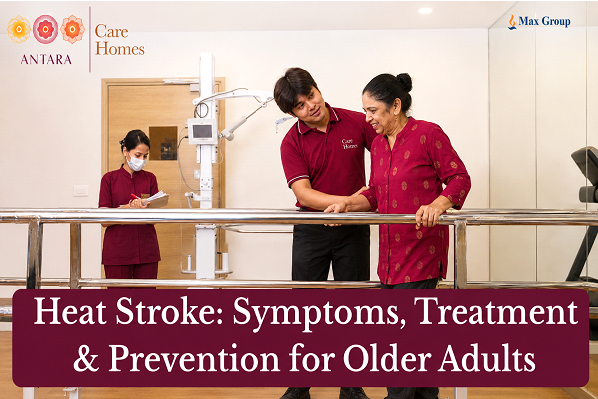
Heat Stroke is a serious condition that happens when the body temperature rises above 104°F (40°C) and the body is unable to cool itself. It is considered a medical emergency and requires immediate treatment.
Normally, our body cools down through sweating. But during extreme heat, dehydration, or prolonged sun exposure, this cooling system may stop working properly. This can damage the brain, heart, kidneys, and other organs.
Many people confuse heat exhaustion vs heat stroke, but both are different conditions. Heat exhaustion is milder and can improve with rest and fluids, while heat stroke is dangerous and needs emergency medical care.
Heat stroke in elderly people is more common because aging affects the body's ability to regulate temperature. Seniors may not feel thirsty even when their body needs water.
Some common reasons include:
Many older adults in India also avoid using air conditioners due to electricity bills or discomfort, increasing their risk during heat waves.
Recognizing early heat stroke symptoms can save lives. Families should carefully observe elderly parents and grandparents during summer months.
Sometimes, elderly heat stroke signs may appear as sudden confusion or unusual sleepiness. Families often mistake these symptoms for normal aging, which can delay treatment.
Immediate action is very important in heat stroke treatment. Delaying treatment can lead to organ failure and serious complications.
1. Move the person to a cool place
Take them indoors or under shade immediately.
2. Call emergency medical help
Heat stroke is not something that should be treated only at home.
3. Cool the body
Use wet towels, fans, cold water, or ice packs on the neck, underarms, and forehead.
4. Remove extra clothing
Light and loose clothing helps cool the body faster.
5. Give water carefully
If the person is fully conscious, offer small sips of water or ORS.
6. Monitor breathing and responsiveness
Keep checking their condition until medical help arrives.
Doctors may use several methods for treating heat stroke in seniors, such as:
Recovery time depends on how quickly treatment starts. Delayed heat stroke treatment can lead to stroke, brain damage, heart complications, or even death.
The good news is that heat stroke prevention is possible with proper care and awareness.
1. Drink Water Regularly
Seniors should drink water throughout the day, even if they are not thirsty. Coconut water, lemon water, and ORS can also help.
2. Avoid Going Out in Afternoon Heat
Try to stay indoors between 12 PM and 4 PM when temperatures are highest.
3. Wear Light Cotton Clothes
Loose-fitting and breathable clothes help keep the body cool.
4. Keep the Room Cool
Use fans, coolers, curtains, and proper ventilation to reduce room temperature.
5. Eat Hydrating Foods
Watermelon, cucumber, curd, oranges, and fruits with high water content help prevent dehydration in seniors.
6. Monitor Seniors Regularly
Family members should check on older adults during extreme heat, especially if they live alone.
Older adults recovering from surgery, infections, stroke, or chronic illness are more vulnerable to heat-related illness. Weakness, medications, and reduced mobility increase the chances of dehydration and heat stroke.
This is why many families now prefer professional transition care or post operative care services where seniors receive:
At centers like Antara Senior Care, seniors recovering from illness can receive personalized support in a safe and comfortable environment during extreme summer weather.
Call a doctor immediately if an older adult has:
Never wait for symptoms to improve on their own.
Heat stroke in elderly people is a serious but preventable condition. During Indian summers, families must pay extra attention to hydration, room temperature, and early warning signs in older adults.
Simple steps like drinking enough water, staying indoors during peak heat, and recognizing heat stroke symptoms early can save lives. Seniors recovering from illness or surgery need even more care and supervision during hot weather.
With proper awareness, timely heat stroke treatment, and regular monitoring, older adults can stay safe, healthy, and comfortable throughout the summer season.
| Weakness | Confusion |
| Mild fever | Very high fever |
| Dizziness | Unconsciousness |
| Improves with rest | Medical emergency |
If symptoms become severe or the person becomes confused, seek emergency help immediately.
Immediate action is very important in heat stroke treatment. Delaying treatment can lead to organ failure and serious complications.
1. Move the person to a cool place
Take them indoors or under shade immediately.
2. Call emergency medical help
Heat stroke is not something that should be treated only at home.
3. Cool the body
Use wet towels, fans, cold water, or ice packs on the neck, underarms, and forehead.
4. Remove extra clothing
Light and loose clothing helps cool the body faster.
5. Give water carefully
If the person is fully conscious, offer small sips of water or ORS.
6. Monitor breathing and responsiveness
Keep checking their condition until medical help arrives.
Doctors may use several methods for treating heat stroke in seniors, such as:
Recovery time depends on how quickly treatment starts. Delayed heat stroke treatment can lead to stroke, brain damage, heart complications, or even death.
The good news is that heat stroke prevention is possible with proper care and awareness.
1. Drink Water Regularly
Seniors should drink water throughout the day, even if they are not thirsty. Coconut water, lemon water, and ORS can also help.
2. Avoid Going Out in Afternoon Heat
Try to stay indoors between 12 PM and 4 PM when temperatures are highest.
3. Wear Light Cotton Clothes
Loose-fitting and breathable clothes help keep the body cool.
4. Keep the Room Cool
Use fans, coolers, curtains, and proper ventilation to reduce room temperature.
5. Eat Hydrating Foods
Watermelon, cucumber, curd, oranges, and fruits with high water content help prevent dehydration in seniors.
6. Monitor Seniors Regularly
Family members should check on older adults during extreme heat, especially if they live alone.
Older adults recovering from surgery, infections, stroke, or chronic illness are more vulnerable to heat-related illness. Weakness, medications, and reduced mobility increase the chances of dehydration and heat stroke.
This is why many families now prefer professional transition care and post operative care services where seniors receive:
At centers like Antara Senior Care, seniors recovering from illness can receive personalized support in a safe and comfortable environment during extreme summer weather.
Call a doctor immediately if an older adult has:
Never wait for symptoms to improve on their own.
Heat stroke in elderly people is a serious but preventable condition. During Indian summers, families must pay extra attention to hydration, room temperature, and early warning signs in older adults.
Simple steps like drinking enough water, staying indoors during peak heat, and recognizing heat stroke symptoms early can save lives. Seniors recovering from illness or surgery need even more care and supervision during hot weather.
With proper awareness, timely heat stroke treatment, and regular monitoring, older adults can stay safe, healthy, and comfortable throughout the summer season.
Best Stroke Rehabilitation Centre in Bangalore: Recovery, & ...
Best Stroke Rehabilitation Centre in Chennai: Recovery, & Co...

How to Safely Get Out of Bed After Open Heart Surgery

Best Physiotherapy Exercises for Shoulder Pain at Home
Best Physiotherapy at Home Services in Bangalore

Please fill in the form and submit the details to request an appointment.