Loading...
Loading...
 BACK
BACK2026-09-07
Introduction
Aging parents rarely announce when they need more help. It shows up slowly. A missed dose here. A near-fall there. Confusion that wasn't there last year. Families notice eventually. Then they wonder what to do next. Home care exists for exactly that moment. It brings real, trained support into a space your parents already trust.
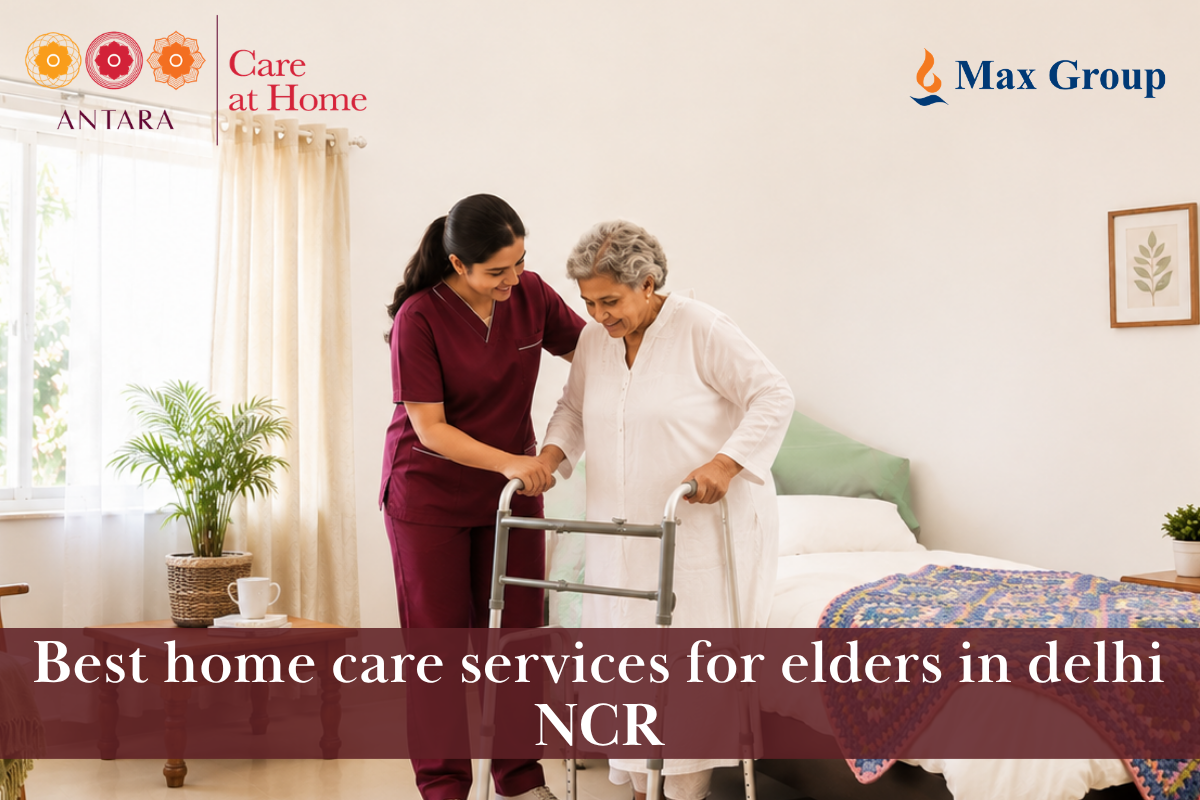
Professional support, delivered right where your parent lives.
This covers medical care, personal help, and daily supervision. A nurse might handle medication and vitals. A caregiver might help with bathing or meals. Sometimes it's physiotherapy. Sometimes it's just someone present, watching quietly before small problems turn into big ones. Nobody has to move out of home for any of this.
Certain signs show up first, usually before anyone talks about it openly.
Struggling with daily tasks alone is a big one. Cooking. Bathing. Dressing. Things that used to be automatic. Memory lapses matter too. Especially when they start touching safety, like forgetting the stove was on.
Chronic conditions play a role as well. Diabetes. Heart disease. Arthritis. Things that need steady monitoring, not just an occasional visit. Recovery after a hospital stay counts too. So does something simpler. A parent living alone, with nobody nearby to check in daily. That gap alone is often reason enough.
A few distinct services fall under this umbrella.
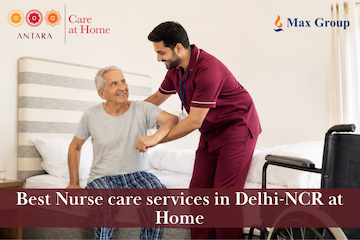
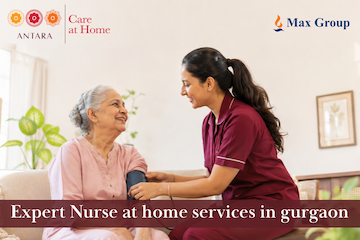
A patient caretaker at home helps with daily activities. Bathing. Dressing. Mobility. Just being there. Nurse at home services go further. Medication management. Wound care. Vital monitoring. Real medical staff, trained for it.
Physiotherapist at home supports mobility and strength. This matters most after a fall or surgery. Critical care services step in for more serious conditions, needing closer attention than standard support gives.
Dementia care at home deserves its own mention. It needs specific training. Real patience. Structured routines that general caregiving often skips. Many providers also bring diagnostics home. Pathology testing. X-ray. ECG. All done without a trip to a lab.
Comfort matters most, honestly. Healing and daily life both go easier somewhere familiar, surrounded by things a parent already knows.
Attention gets more personal too. One caregiver, one person, not a room split across many patients. Family visits stay easier as well. No institutional hours to work around.
There's a practical side too. Home care usually costs less than long-term facility stays. And staying home protects something harder to measure. Dignity. Independence. The feeling of still being yourself.
Start with credentials. Nurses and caregivers need real training. Real verification. Not an informal assignment.
Ask about specialization next. Dementia care isn't the same as general support, and a good provider says so upfront. Availability matters too. Full-time, or just set hours? What happens if a caregiver falls sick that day?
Ask how matching works too. A good home health care provider actually considers your parent's personality. Not just whoever happens to be free that week.
Antara provides professional & trained caregivers, nurses and care experts at home. Staff is well trained and verified. At Antara, we provide trained and professional caregivers, nurses and care professionals to support seniors and patients in the comfort of their homes. Our care team is trained to assist with daily activities, personal care, mobility support, medication routines and other care needs based on the individual’s requirements. Staff members undergo verification and training processes to help ensure responsible and dependable care. With personalised care plans and ongoing support, families can have greater confidence knowing their loved ones are receiving attentive care at home.
It usually starts with an assessment. Someone reviews your parent's health, daily needs, and personality. From there, a plan gets built. The right caregiver or nurse gets matched. Visits begin, a few hours a day or full-time. The plan shifts later too, as needs actually change.
1. What services are included in elderly home care? Caregiving, nursing, physiotherapy, dementia care, and diagnostics like pathology, X-ray, and ECG.
2. How do I know if my parent needs home care? Watch for trouble with daily tasks, memory issues, chronic conditions, or a recent hospital stay.
3. Is home care safe for dementia patients? Yes, with trained staff. Dementia care needs specific expertise and real patience.
4. Can home care include diagnostic tests? Yes. Many providers, Antara included, offer pathology, X-ray, and ECG at home.
5. How much does elderly home care typically cost? It varies by service and hours needed, but usually costs less than facility care.
Aging doesn't have to mean losing independence. Or familiarity. The right home care brings real support directly to your parents, without uprooting the life they know. Asking the right questions early makes that shift easier for everyone involved.

Please fill in the form and submit the details to request an appointment.