
Loading...
Loading...
 BACK
BACK2026-08-27
Dr. Darshan NA
Summary
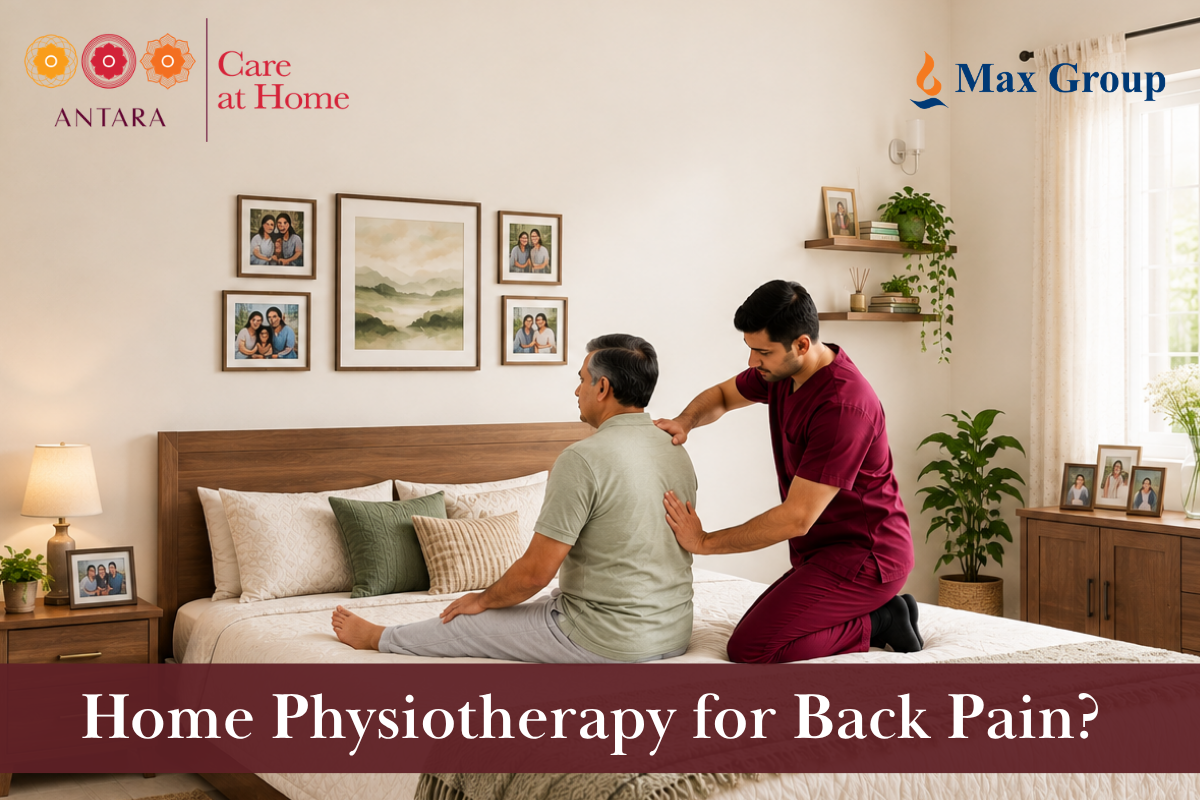
Back pain can make even simple things like getting out of bed, sitting for long hours, or taking a short walk feel difficult. While rest may provide temporary relief, the right exercises and movement can help improve strength, flexibility, and day-to-day comfort. Home physiotherapy brings this support to you, so you can work on your recovery in a familiar and comfortable environment. A physiotherapist can understand what is causing your discomfort, assess your movement, and create exercises that suit your condition and routine.
What Causes Back Pain?
Back pain can happen for many reasons, and it is not always because of a serious problem. Sometimes, simple things like sitting for long hours, poor posture or lifting something the wrong way can cause pain. In some cases, the pain may be linked to an injury, age-related changes or an underlying condition.
Some common causes of back pain include:
Poor Posture
Sitting with a bent back, working on a laptop for long hours or using the phone while looking down can put extra pressure on the back muscles and spine. Over time, this may lead to pain and stiffness.
Sitting for Long Hours
A sedentary lifestyle is common today, especially for people who spend most of their day at a desk. Staying in the same position for too long can make the back muscles tight and weak.
Muscle Strain
Lifting heavy objects, sudden movements or doing more physical activity than usual can strain the muscles in the back. This can cause soreness, stiffness, or difficulty moving.
Lack of Exercise
When the back and core muscles are weak, they may not provide enough support to the spine. Regular movement and suitable exercises can help keep these muscles strong.
Age-Related Changes
As we get older, changes in the spine, discs and joints can sometimes lead to back pain. Conditions such as osteoarthritis or wear and tear of the spinal discs may also affect movement.
Spine-Related Conditions
Back pain can sometimes be caused by conditions such as a slipped or herniated disc, sciatica, or spinal stenosis. These problems may also cause symptoms such as pain spreading to the legs, tingling, or numbness.
If back pain continues for several days, keeps coming back or starts affecting your normal activities, it is better to get it assessed rather than simply ignoring it.
Gentle exercises can help reduce stiffness, improve flexibility and strengthen the muscles that support your back. However, the right exercises depend on the cause and severity of your back pain. If you are new to exercise or have ongoing pain, it is better to start with guidance from a physiotherapist.
Knee-to-Chest Stretch
Lie on your back with your knees bent. Slowly bring one knee towards your chest and hold it for a few seconds. Then bring it back down and repeat with the other leg. This gentle stretch can help loosen the lower back and hip area.
Pelvic Tilts
Lie on your back with your knees bent and feet flat on the floor. Gently tighten your stomach and press your lower back towards the floor. Hold for a few seconds and relax. Repeat slowly.
Cat-Cow Stretch
Get onto your hands and knees. Slowly round your back towards the ceiling and then gently lower it while lifting your chest. Move slowly and stay within a comfortable range.
Bridging Exercise
Lie on your back with your knees bent and feet flat on the floor. Tighten your stomach and gently lift your hips off the floor. Hold for a few seconds before slowly lowering your hips. This exercise helps strengthen the muscles around the lower back, hips and core.
Hamstring Stretch
Sit or lie down comfortably and gently stretch the back of your thigh without forcing the movement. Tight hamstrings can sometimes affect how you move and put additional strain on the lower back.
Gentle Walking
Walking is a simple way to keep your body moving without putting too much stress on the back. Start with a short, comfortable walk and gradually increase the duration as your strength improves.
Remember: These are general exercises and may not be suitable for everyone. A physiotherapist can suggest exercises based on your specific condition and recovery needs.
Most back pain improves with rest, gentle movement and proper care. However, some symptoms should not be ignored. See a doctor if your pain is severe, getting worse or not improving. Back pain after a serious fall or accident also needs medical attention. You should also seek help if you have numbness, tingling or weakness in your legs. If you feel that pain spreading down the leg, fever or unexplained weight loss search for home physiotherapy good for back pain. In case ofl Loss of bladder or bowel control needs immediate medical attention. If back pain keeps coming back or starts affecting your sleep, work or daily activities, speak to a doctor or physiotherapist for proper assessment.
Back pain physiotherapy at home can make treatment easier and more comfortable, especially for people who find it difficult to travel to a clinic. A physiotherapist can assess your movement in your own home. It will create exercise plan based on your pain, strength and daily routine. Search for terms like physiotherapists near me for near physiotherapy services.
Some key benefits of physio for back pain include:
With the right guidance, home physiotherapy can help you gradually improve movement, strength and confidence in everyday activities.
Choosing the right home physiotherapy service is important because the treatment should match your condition and recovery needs. Before making a decision, consider a few simple things:
The best physiotherapy at home service is one that focuses on your individual needs rather than following the same exercise plan for everyone. Antara Offers best physiotherapy services at home. You just need to make an enquiry and all details about the physiotherapist will be shared with a day before the appointment. All physiotherapists are experienced and trained that will provide you fast relief and recovery.
Back pain can make everyday activities difficult, but the right back pain physiotherapy can help you move more comfortably and build strength over time. Home physiotherapy offers the added convenience of receiving personalised care without having to travel to a clinic. Whether your pain is due to poor posture, muscle strain, an injury or reduced mobility, a physiotherapist can guide you with suitable exercises and care. If your back pain continues or affects your daily life, getting a professional assessment can be a good first step towards recovery.

Best Stroke Rehabilitation Centre in Bangalore: Recovery, & ...

Best Stroke Rehabilitation Centre in Chennai: Recovery, & Co...

How to Safely Get Out of Bed After Open Heart Surgery

Best Physiotherapy Exercises for Shoulder Pain at Home

Best Physiotherapy at Home Services in Bangalore

Please fill in the form and submit the details to request an appointment.