
Loading...
Loading...
 BACK
BACK2024-10-23
Antara
It is not uncommon today to find individuals facing the challenge of balancing their daily responsibilities, while ensuring the well-being of their loved ones.
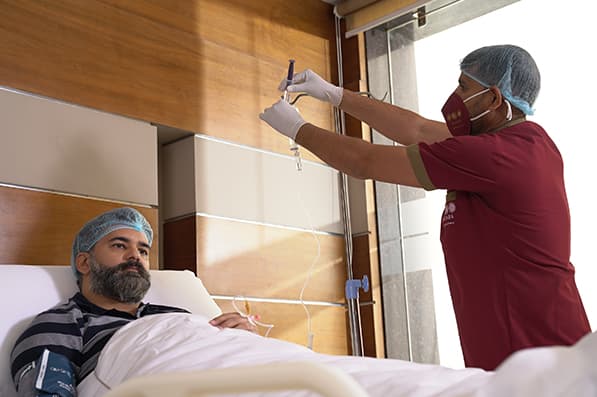
Recovery after hospitalisation often involves more than medication and doctor consultations. Many seniors and patients recovering from surgery, illness, or chronic conditions require assistance with activities of daily living such as bathing, dressing, eating, mobility, toileting, and medication management. Without proper support, these daily challenges can affect both recovery outcomes and overall quality of life.
Professional patient care at home helps bridge the gap between medical treatment and everyday living by providing structured assistance within a familiar and comfortable home environment. This support becomes especially important for elderly patients, individuals with limited mobility, and those recovering after major medical procedures. :contentReference[oaicite:0]{index=0}
Long-term illness, recovery periods, and limited mobility can often lead to loneliness, anxiety, and emotional stress. Professional caregivers not only assist with clinical and physical support but also provide companionship and emotional reassurance. Meaningful interaction, conversation, and emotional engagement can positively influence a patient’s mental wellbeing and recovery experience.
Companionship-based caregiving also helps patients feel more emotionally secure while reducing feelings of isolation, especially among elderly individuals living alone. :contentReference[oaicite:1]{index=1}
Many patients recovering at home require support with walking, transferring from bed to chair, using the bathroom safely, or moving around without the risk of falls. Trained caregivers assist with safe mobility techniques and help create a safer home environment to reduce injury risks.
Mobility support becomes particularly important for seniors recovering after surgery, stroke rehabilitation, fractures, neurological conditions, or prolonged hospital stays.
Managing medications, rehabilitation exercises, physiotherapy routines, vital monitoring, and follow-up schedules can become overwhelming for both patients and families. Professional home caregivers help maintain consistency in these routines while ensuring that prescribed care plans are followed properly.
Regular observation also allows caregivers to identify concerning symptoms early and coordinate timely medical attention when required. This proactive support can help reduce complications and avoid unnecessary hospital readmissions. :contentReference[oaicite:2]{index=2}
Effective recovery support involves more than addressing physical symptoms alone. A holistic approach to post-hospitalisation care combines medical supervision, emotional support, rehabilitation assistance, nutrition management, mobility support, and daily caregiving into a coordinated recovery plan.
Professional patient care at home helps patients recover in familiar surroundings while preserving comfort, dignity, and emotional wellbeing. Families also benefit from greater reassurance knowing that trained professionals are supporting their loved one’s daily healthcare and recovery needs.
As healthcare increasingly shifts toward patient-centric and home-based models, professional caregiving services continue to play an important role in improving recovery experiences, reducing complications, and supporting better long-term quality of life for patients and seniors alike.
The journey to recovery does not end at hospital discharge. Many patients continue to require daily support, emotional reassurance, mobility assistance, and ongoing clinical supervision after returning home.
Professional patient care at home helps bridge this transition by combining compassionate caregiving with structured healthcare support. Through personalised care plans, safe mobility assistance, companionship, and clinical routine management, home-based care services help patients recover more comfortably while improving overall wellbeing and quality of life.
Best Stroke Rehabilitation Centre in Bangalore: Recovery, & ...
Best Stroke Rehabilitation Centre in Chennai: Recovery, & Co...
How to Safely Get Out of Bed After Open Heart Surgery
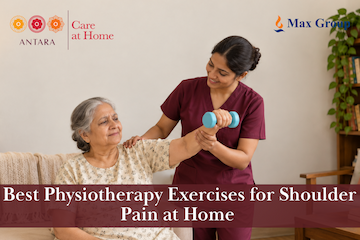
Best Physiotherapy Exercises for Shoulder Pain at Home
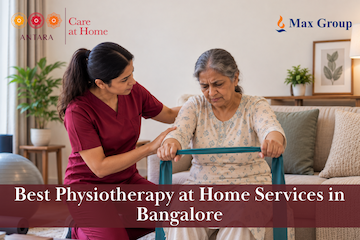
Best Physiotherapy at Home Services in Bangalore

Please fill in the form and submit the details to request an appointment.