
Loading...
Loading...
 BACK
BACK2026-08-27
Dr. Darshan NA
The most dangerous thing about a mini stroke is the word mini.
It sounds small. It sounds like something that passed. And because the symptoms usually disappear within an hour, most people do exactly the wrong thing: they wait, they feel better, and they decide not to bother the doctor.
That decision costs lives. A mini stroke is not a minor version of a stroke. It is a warning that a major one may be coming, and the highest risk period is the first few days after it happens.
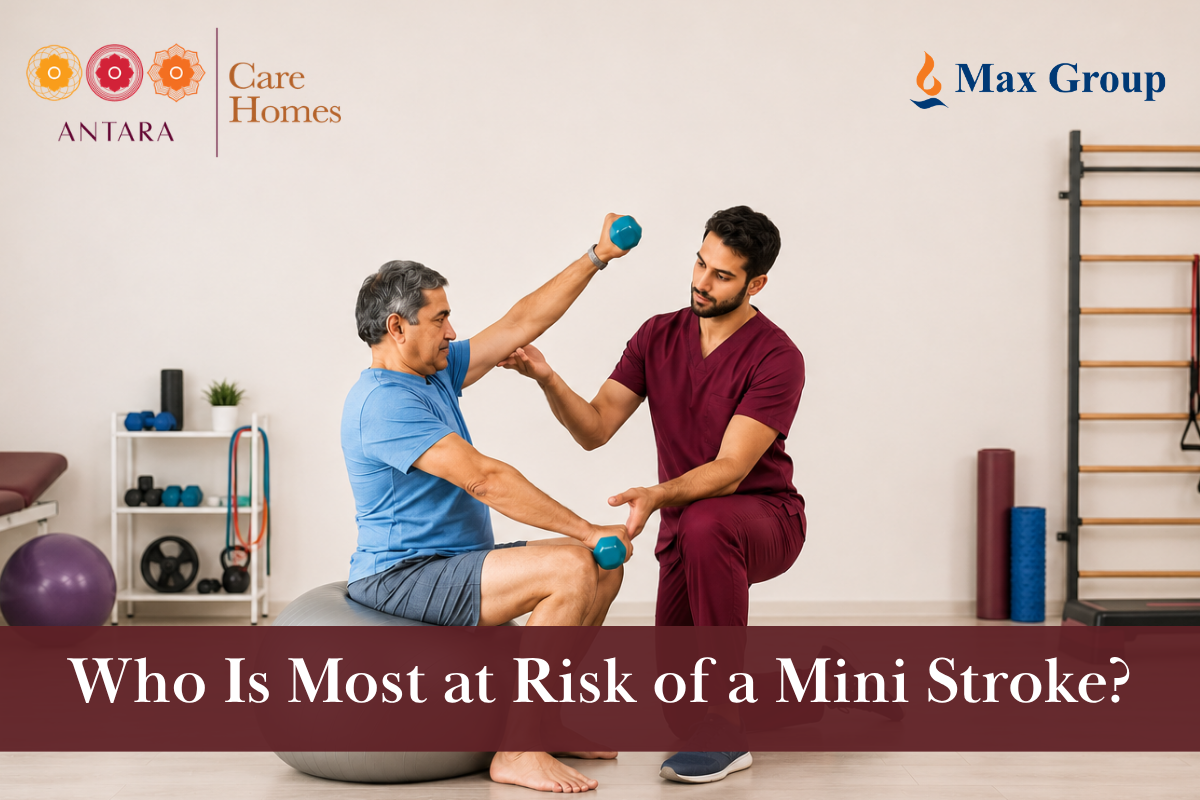
The medical term is a transient ischemic attack, or TIA. It happens when blood flow to part of the brain is briefly blocked, usually by a small clot, and then restored before permanent damage sets in.
The symptoms are identical to a full stroke. The only difference is that they resolve, typically within minutes to an hour, and by definition within 24 hours.
That resolution is what makes TIA so deceptive. The person feels completely normal again. Nothing hurts. Family members are relieved. Everyone moves on.
But the underlying problem has not gone anywhere. Something produced that clot, and it is still there. Research consistently shows that a significant proportion of people who have a TIA go on to have a full stroke, and much of that risk falls within the first 48 hours to first week.
A mini stroke is best understood as chest pain before a heart attack. It is the body's warning shot.
Learn these, and teach them to your family. The standard memory aid is FAST:
Other stroke symptoms that deserve emergency attention include sudden numbness or weakness on one side of the body, sudden confusion or difficulty understanding others, sudden loss or blurring of vision in one or both eyes, sudden dizziness with loss of balance.
Some risk factors you can change. Some you cannot. Knowing which is which tells you where to spend your effort.
Age. Risk rises sharply after 55 and roughly doubles with each decade after that. This does not make stroke an old person's disease, though.
Family history. A parent or sibling who had a stroke raises your risk.
Sex. Men have strokes somewhat earlier on average. Women have more strokes overall across a lifetime, partly because they live longer, and pregnancy and hormonal contraception add specific risks.
Ethnicity. South Asians develop cardiovascular disease earlier and at lower body weights than many other populations, which is directly relevant if you are reading this in India.
Previous TIA or stroke. Having had one is among the strongest predictors of having another.
High blood pressure. This is the single biggest one, and it is why hypertension is called the silent killer. It usually causes no symptoms while steadily damaging blood vessels. Anyone over 30 should know their numbers.
Diabetes. Damages blood vessels throughout the body and roughly doubles stroke risk. India's diabetes burden makes this enormously significant.
Atrial fibrillation. An irregular heart rhythm that allows clots to form in the heart and travel to the brain. It is often undiagnosed because it can feel like nothing more than occasional palpitations, and it substantially raises stroke risk.
High cholesterol, which narrows arteries over years.
Smoking, including bidis and chewing tobacco, which damages vessel walls and thickens blood.
Obesity and abdominal fat, particularly around the waist.
Physical inactivity, which feeds almost every other risk factor on this list.
Heavy alcohol use.
Obstructive sleep apnoea, which is common, badly underdiagnosed, and often signalled by loud snoring with daytime exhaustion.
Chronic stress and poor sleep, both of which raise blood pressure over time.
Diet, particularly high salt intake, which is a significant issue in Indian diets through pickles, papads, packaged snacks and restaurant food.
The people at highest risk are those stacking several of these together: a person in their fifties with untreated hypertension, diabetes, a smoking habit and no exercise is in a very different category from someone with one mild risk factor.
Immediately. Not tomorrow. Not after the symptoms settle.
Call an ambulance if any stroke symptom appears, even if it goes away. The disappearance of symptoms is not reassurance. It is the definition of a TIA, and it means the risk period has just started.
Do not drive yourself. Do not wait to see whether it improves. Do not take an aspirin and go to bed. Do not call a relative for an opinion first.
Ambulances matter because paramedics can alert the hospital in advance, and because clot dissolving treatment for a full stroke works only within a narrow window of a few hours. Every minute of delay costs brain tissue.
At the hospital, expect a CT or MRI scan, blood tests, an ECG and often heart rhythm monitoring, and scans of the neck arteries. The aim is to find the cause so it can be treated before a larger stroke follows.
Know your numbers. Blood pressure, blood sugar and cholesterol, checked regularly. You cannot manage what you have never measured.
Take medication exactly as prescribed. The most common reason for a preventable second stroke is someone stopping blood pressure or blood thinner medication because they felt fine. Feeling fine is what the medication is doing.
Cut salt seriously. Most of it comes from packaged and restaurant food rather than the salt shaker.
Eat for your arteries. More vegetables, fruit, whole grains and pulses. Less fried food, less refined flour, less sugar.
Move most days. Thirty minutes of brisk walking, five days a week, meaningfully lowers risk. It does not need to be a gym.
Stop tobacco completely. All forms. Risk starts dropping within months.
Limit alcohol.
Get snoring investigated if it comes with daytime tiredness.
Get your heart rhythm checked if you notice palpitations or an irregular pulse, particularly over 60.
Manage stress and protect sleep, both of which affect blood pressure more than most people realise.
Most people recover from a TIA without lasting deficits, and the work afterwards is prevention rather than rehabilitation.
When a full stroke occurs, the picture changes. This is where stroke rehabilitation becomes the main determinant of how much function returns. The brain can reorganise itself and route functions through undamaged areas, but only in response to repeated, guided practice. That is what a rehabilitation center provides.
Proper neurological rehabilitation involves a coordinated team: a physiatrist leading the plan, physiotherapy for movement and balance, occupational therapy for the arm, hand and daily living tasks, speech therapy for communication and swallowing, nutrition support and specialist nursing. The strongest window for recovery is the first three to six months, which is why choosing a rehab centre and starting early matters so much.
If a family member has had a stroke, ask about rehabilitation before discharge rather than after.
A mini stroke is a warning, not a reprieve. The symptoms fade, the danger does not, and the days immediately afterwards carry the highest risk.
If you take one thing from this article, take this: any sudden weakness, facial drooping, speech difficulty or vision loss means calling an ambulance, even if it lasts two minutes and disappears completely. Getting checked when it turns out to be nothing costs you an afternoon. Not getting checked can cost far more.
Best Stroke Rehabilitation Centre in Bangalore: Recovery, & ...
Best Stroke Rehabilitation Centre in Chennai: Recovery, & Co...
How to Safely Get Out of Bed After Open Heart Surgery
Best Physiotherapy Exercises for Shoulder Pain at Home
Best Physiotherapy at Home Services in Bangalore

Please fill in the form and submit the details to request an appointment.