Loading...
Loading...
 BACK
BACK2026-02-04
Dr. Lovely
Making the decision to move ageing parents into an assisted facility is never easy. For most families, it comes after months (or even years) of quiet worry, late-night conversations, and emotional debates. While the intention is always rooted in love and timely elderly care, many families are taken by surprise when parents seem unsettled, withdrawn, or unhappy after the move.
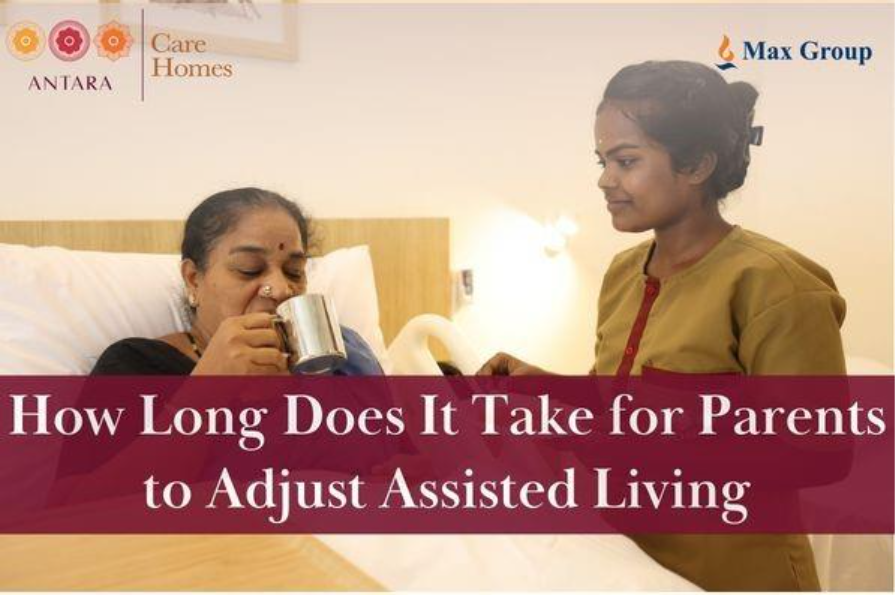
Making the decision to move ageing parents into an assisted facility is never easy. For most families, it comes after months (or even years) of quiet worry, late-night conversations, and emotional debates. While the intention is always rooted in love and timely elderly care, many families are taken by surprise when parents seem unsettled, withdrawn, or unhappy after the move.
If you’re asking yourself, “Did we make the wrong decision?” take a breath. What your parents are experiencing is not uncommon. In fact, it is completely normal.
Moving into a senior home is a big change, and it is not always easy. Why do so many older adults find it tough to settle in? What feelings come up for them and their families? Let us talk about what really happens and how you can help your loved ones through this time.
Even the most thoughtfully designed senior residential homes cannot instantly replace decades of familiarity. A house is not just four walls; it holds memories, routines, neighbours, and a deep sense of identity.
For many seniors, moving into an assisted facility can trigger several emotions, including:
This emotional response does not mean the decision was wrong. It means your parents are human.
Just as children take time to settle into a new school, seniors need time to adjust to residential homes. Emotional resistance is often part of the process, not a rejection of the care being provided.
In the first few weeks or months, parents may:
These reactions are expressions of grief, not failure.
Quality elderly care recognises that emotional wellbeing is as important as physical support.
Adult children often carry a heavy sense of guilt after transitioning parents into senior care environments. There’s a lingering fear of being perceived as abandoning responsibility.
But here’s the truth:
Choosing a professionally supported assisted facility is often an act of timely elderly care, not convenience.
Modern senior homes are designed to provide:
These are things many families cannot realistically provide alone, no matter how devoted they are.
There’s no fixed timeline.
Some parents adapt within weeks, while others may take several months. Adjustment depends on several factors, including:
What matters most is consistent reassurance and patience.
Regular visits, calls, and shared meals help parents feel connected and reassured. Your presence reinforces the feeling that they have not been “left behind.”
Avoid dismissing emotions with phrases like “You’ll get used to it.” Instead, say:
“We understand this is hard. We are here with you.”
Most assisted facilities offer social activities, wellness sessions, and hobbies. Encourage participation, but never force it. Comfort comes first.
Familiar objects such as family photos, favourite cushions, or books can make senior homes feel more like home.
Good elderly care is collaborative. Share insights about your parents’ habits, preferences, and emotional triggers so the caregiving team can provide more personalised support.
If your loved one still seems upset after the first few weeks, it might be time to look a little closer. Persistent withdrawal, depression, or anxiety may indicate a few things:
There may be a physical or medical condition that has not been noticed yet.
Your parent may be experiencing emotional or psychological distress that requires additional support.
They may not yet feel connected to the people or activities around them.
Reputed care homes like Antara focus on the whole person and adjust their approach if something is not working. Do not hesitate to speak openly with the staff. Your voice can make a real difference.
When we hear the words “old age home,” most of us imagine something sad or old-fashioned. But times have changed. Today, senior living communities like Antara feel more like real neighbourhoods, where people can keep their independence, make friends, and feel respected.
The goal of modern elderly care is not to take life away, but to give it back—safely and meaningfully.
Parents struggling initially does not mean they will be unhappy forever. Many seniors, once settled, rediscover:
Meaningful social connections that bring joy and companionship.
Interests and activities that give their days purpose.
A sense of comfort, stability, and belonging.
Relief from household responsibilities and constant safety concerns.
Transitions are emotional, for parents and children alike. If your parents are struggling after moving into an assisted facility, it does not mean you failed them. It means they are adjusting to change.
With empathy, patience, and the right senior care environment, this phase often gives way to comfort, acceptance, and even renewed joy.
Choosing timely elderly care is one of the most thoughtful decisions a family can make—especially when it is guided by love, respect, and ongoing involvement.

Please fill in the form and submit the details to request an appointment.