Loading...
Loading...
 BACK
BACK2026-01-21
Care home
Making the decision to move a loved one into assisted living is one of the most emotional moments for any family. It comes with hope for better care, but also fear, guilt, and countless unanswered questions. Will they feel loved? Will they feel alone? This is where family involvement in an assisted living facility becomes more than just visits—it becomes a lifeline. While assisted living communities provide professional senior care, emotional security and familiarity can only come from family. Regular interaction, meaningful conversations, and involvement in care decisions help seniors feel valued, connected, and truly at home. Strong family involvement not only improves emotional well-being but also plays a vital role in enhancing overall quality of life in assisted living settings.
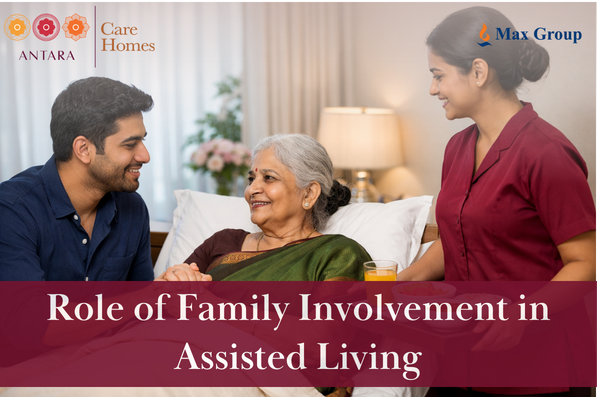
Family involvement plays a big role in making assisted living facilities a positive and comfortable experience for seniors. Even though assisted living communities provide professional care, emotional support from families makes a huge difference in daily life.
When family members visit regularly, call, or spend quality time together, seniors feel valued and cared for. This emotional connection gives them comfort and reduces feelings of fear or abandonment.
Moving into assisted living can feel overwhelming at first, especially if the facility is far from home. Choosing assisted living near family can help seniors adjust faster and feel less lonely. Familiar faces bring peace, happiness, and a sense of belonging.
Simple moments like talking, laughing, sharing meals, or recalling old memories can improve mood and mental health. Emotional support from family often leads to a more positive outlook on life.
Family members know their loved ones best. Sharing personal habits, preferences, routines, and medical history helps assisted living staff provide more personalized and effective care.
When family stays involved, seniors are more likely to join activities, socialize with others, and stay engaged in community life. This keeps them active both physically and mentally.
Family involvement ensures that medical needs, medications, and care plans are clearly understood and properly followed. It also helps seniors feel supported during important health-related decisions.
Family involvement adds warmth, familiarity, and emotional comfort, transforming assisted living from just a place to stay into a true home.
A supportive environment in a luxury old age home is one of the most important aspects of assisted living. Facilities like Antara Care Homes focus not only on medical care but also on emotional comfort, dignity, and independence. This kind of environment helps seniors feel safe, respected, and truly at home.
A well-managed assisted living environment ensures that seniors are always surrounded by trained staff and secure spaces. Knowing that help is available at any time gives residents peace of mind and reduces daily stress.
Supportive facilities allow seniors to live life on their own terms while offering help only when needed. This balance builds confidence and helps seniors maintain their dignity.
Friendly caregivers, familiar routines, and a calm atmosphere help seniors feel emotionally stable. Daily interactions, empathy, and understanding make a big difference in mental health.
Assisted living communities like Antara encourage social interaction through group activities, wellness programs, and shared spaces. This helps seniors form friendships and feel connected rather than isolated.
A supportive environment includes proper nutrition, fitness activities, medical care, and wellness programs. These elements work together to improve overall quality of life.
Every senior is different. Supportive facilities focus on personalized care plans that match individual lifestyles, habits, and health requirements.
When families see their loved ones living in a caring and supportive environment, it builds trust and emotional relief. They know their family members are in safe and capable hands.
Family involvement becomes even more meaningful when assisted living facilities create opportunities for families to spend quality time together. Thoughtfully planned activities and programs help strengthen emotional bonds, reduce loneliness, and make seniors feel supported and happy.
Special family days, festivals, and birthday celebrations allow seniors to enjoy important moments with their loved ones. These events create joy, emotional comfort, and lasting memories.
Eating together is a powerful way to connect. Family-friendly dining programs give seniors the chance to enjoy meals with their family in a warm and relaxed setting.
Yoga sessions, light exercise, or morning walks that families can join encourage seniors to stay active. Exercising together also motivates seniors and builds emotional closeness.
Art, music, gardening, cooking, or craft sessions allow families to take part in activities seniors love. These shared hobbies bring happiness and a sense of purpose.
Cultural events, prayer gatherings, and festive rituals help seniors stay connected to their traditions. Family participation makes these moments more meaningful and comforting.
Regular care discussions involving family members help everyone stay informed. These meetings ensure that seniors receive care that matches their emotional and physical needs.
For families who live far away, video calls and virtual activities help maintain strong emotional bonds. Even from a distance, families can stay connected and involved.
Story-sharing activities encourage seniors to talk about their life experiences with family members. These moments strengthen emotional ties and help seniors feel valued.
Family involvement plays a meaningful role in creating a positive assisted living experience. When families stay connected, seniors feel loved, supported, and emotionally secure. Combined with a caring and supportive environment, assisted living becomes more than just a place to live; it becomes a true home. Regular interaction, shared activities, and open communication help improve emotional well-being, confidence, and overall quality of life. Assisted living communities that encourage family participation create stronger bonds and happier residents. In the end, when professional care and family support come together, seniors are able to live with dignity, comfort, and peace of mind every day.
Family involvement helps seniors feel loved, supported, and emotionally secure. Regular interaction with family members improves mental well-being and builds trust. When families stay involved, they can better understand their loved one’s needs and ensure they receive the right care. Emotional support from family also helps seniors adjust more easily to assisted living.
Assisted living provides professional care while allowing families to stay involved in decision-making. Trained caregivers handle daily care, medical support, and safety, reducing stress for families. This allows families to focus on emotional bonding rather than daily caregiving responsibilities.
Families play an important role by staying informed, visiting regularly, and communicating with care staff. They can support residents by attending care meetings, sharing health updates, and encouraging participation in activities. Assisted living communities support families through open communication, regular updates, and personalized care plans.

Please fill in the form and submit the details to request an appointment.