
Loading...
Loading...
 BACK
BACK2026-08-26
Dr. Rohan
Choosing the right home healthcare service for a loved one can be confusing, especially when deciding between a patient caretaker and a nurse at home. While both provide valuable support, their roles and responsibilities are different. A patient caretaker mainly helps with daily activities such as bathing, feeding, mobility, and personal care, while a nurse provides clinical and medical support. Understanding these differences can help you choose the right care based on your loved one's health condition, recovery needs, and level of assistance required at home.
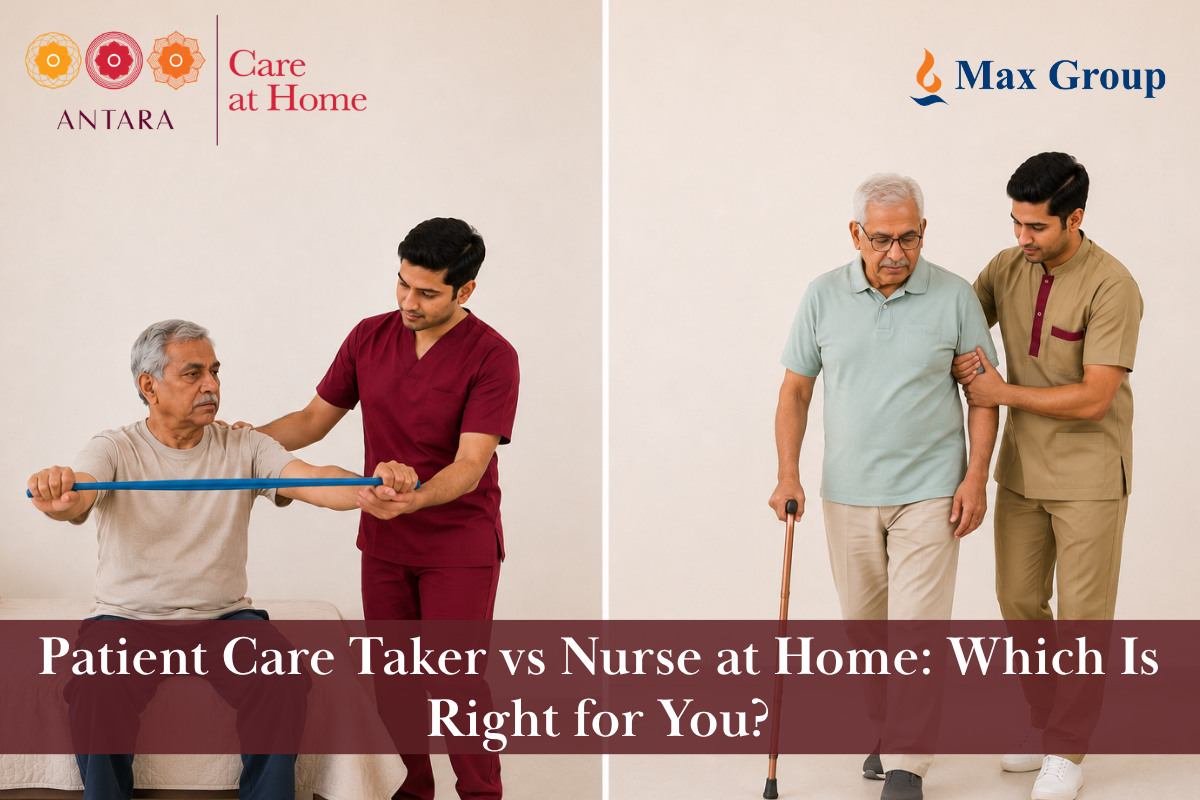
A patient caretaker mainly provides assistance with everyday activities and personal care, while a nurse at home provides professional nursing and medical support. The right choice depends on the patient's health condition and care needs. You can opt for the home healthcare service as per the patient's requirements.
Here are responsibilities of patient caregiver and nurse at home:
| Patient Caregiver at Home | Nurse at Home |
|---|---|
| Helps with bathing and grooming | Monitors vital signs |
| Assists with feeding | Provides wound and dressing care |
| Supports walking and mobility | Administers prescribed medicines/injections |
| Helps with positioning | Provides catheter or tube care when required |
| Provides companionship and supervision | Supports post-operative and clinical care |
| Helps with Daily activities | Monitors changes in the patient's condition |
| Helps with Hygiene | Helps with medication |
If your loved one primarily needs daily assistance and personal care, a caretaker may be suitable. If they need medical monitoring or nursing procedures, a nurse at home may be more appropriate. In some cases, both types of support may be needed.
A patient caretaker helps a person manage their daily routine and provides support with basic personal care. Their role is especially helpful for seniors, people recovering from illness or surgery, and those with limited mobility.
A patient caretaker may help with:
A caretaker's role is mainly focused on daily care and assistance, rather than medical or clinical treatment.
A nurse at home may be needed when a patient requires medical care or regular health monitoring after leaving the hospital. This can be especially helpful during recovery, when travelling to a hospital or clinic may be difficult.
You may need a nurse at home for:
If a patient needs clinical care along with daily assistance, home nursing services can provide the medical support needed while helping the family manage care at home.
Finding the right home healthcare service for an elderly family member starts with understanding their care needs. Look for a service that can provide the right level of support and make the patient feel safe and comfortable at home.
Before choosing a service, check:
Taking the time to compare these factors can help you choose home healthcare services for elderly that are suitable for your family's needs.
1. What is the difference between a patient caretaker and a nurse at home?
A patient caretaker helps with daily activities and personal care, while a nurse provides medical and nursing support at home.
2. When should I hire a patient caretaker at home?
You may consider a patient caretaker when an elderly or recovering patient needs help with bathing, feeding, mobility, dressing and other daily activities.
3. When do I need a nurse at home?
A nurse may be needed for post-surgery care, wound dressing, health monitoring, prescribed medicines or other nursing needs.
4. How can I find home healthcare services for elderly?
Look for a reliable service that offers trained caregivers, nursing support, flexible shifts, supervision and care based on the elderly person's needs.
5. Can I hire both a patient caretaker and a nurse at home?
Yes. Some patients may need a caretaker for daily assistance and a nurse for medical care, particularly after surgery, hospitalisation or during complex recovery.
Choosing between a patient caretaker and a nurse at home depends on your loved one's care needs. A patient caretaker helps with daily activities such as bathing, feeding, dressing, mobility, and personal care. A nurse provides medical support, health monitoring, and nursing care when required. For elderly people, patients recovering from surgery or those with limited mobility, home healthcare services can make everyday care easier and safer. Assess the patient's needs first and choose a care service that offers the right support, trained professionals and flexibility as their needs change.
Best Stroke Rehabilitation Centre in Bangalore: Recovery, & ...
Best Stroke Rehabilitation Centre in Chennai: Recovery, & Co...

How to Safely Get Out of Bed After Open Heart Surgery
Best Physiotherapy Exercises for Shoulder Pain at Home
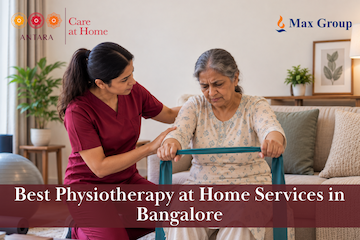
Best Physiotherapy at Home Services in Bangalore

Please fill in the form and submit the details to request an appointment.