
Loading...
Loading...
 BACK
BACK2026-02-24
Care home
Ageing brings wisdom, perspective, and life experience, but it can also bring physical challenges that make everyday movement harder than it used to be. Stiff joints, reduced balance, slower reflexes, or recovery after illness can quietly limit independence if not addressed early.
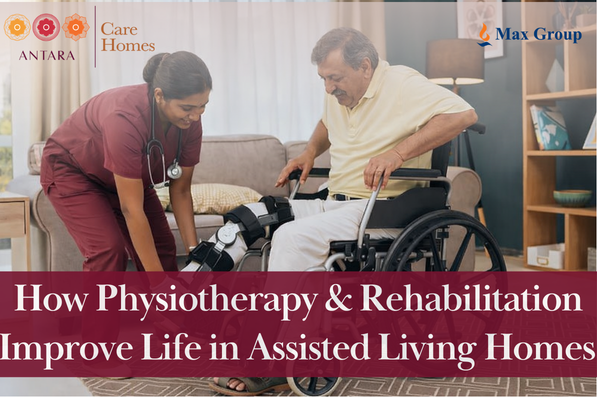
Ageing brings wisdom, perspective, and life experience, but it can also bring physical challenges that make everyday movement harder than it used to be. Stiff joints, reduced balance, slower reflexes, or recovery after illness can quietly limit independence if not addressed early.
With rehabilitation physiotherapy, you can bring a pleasant change in the lives of your lovely seniors in assisted living. It is not just about giving support. It is about helping people move more with a feeling of safety so that they can enjoy life with greater confidence.
Physiotherapy can make life better for seniors in assisted living. Let’s see how. Sometimes, even small changes can mean a lot.
Rehabilitation physiotherapy focuses on restoring, maintaining, and improving physical function. For older adults, this is not about intense workouts; it is about movement with purpose.
Physiotherapy for seniors typically addresses:
When integrated into assisted living homes, physiotherapy becomes part of daily wellness, not an occasional medical intervention.
Many seniors enter assisted living homes at a stage where movement feels uncertain or tiring. Without structured support, this often leads to reduced activity, which can accelerate physical decline.
Physiotherapy helps break this cycle.
In assisted living environments, regular rehabilitation:
Rather than “doing less to stay safe,” seniors learn how to move safely to stay independent.
Falls are one of the most common health risks among older adults and one of the biggest reasons families seek assisted living.
Through rehabilitation physiotherapy, seniors work on:
In assisted living homes, physiotherapists assess each resident’s risk factors and design personalised routines. Over time, this significantly reduces fall risk and fear of movement, both of which impact confidence and mental wellbeing.
Recovery does not end when a senior leaves the hospital.
Whether it is a joint replacement, stroke, fracture, or prolonged illness, seniors need consistent rehabilitation support to regain function. A well-equipped physiotherapy rehabilitation centre within assisted living ensures continuity of care.
This allows various benefits:
Instead of travelling to external clinics, residents receive therapy in a familiar, stress-free environment, leading to better outcomes.
Many seniors live with chronic conditions, and these can affect mobility and comfort. Conditions like arthritis, osteoporosis, neurological disorders, or respiratory issues benefit immensely from ongoing physiotherapy.
Within assisted living homes, physiotherapy programmes are tailored to:
This proactive approach helps seniors stay active participants in their own lives rather than passive recipients of care.
One of the greatest fears seniors have is becoming fully dependent on others. Physiotherapy can directly help mitigate this fear.
By strengthening muscles and improving coordination, rehabilitation physiotherapy can help seniors in many ways:
In assisted living homes, this renewed independence often leads to improved self-esteem, a foundation for emotional wellbeing.
Physical health and emotional health are deeply connected.
When seniors feel stronger and more stable, they often experience:
Physiotherapy sessions also provide structured interaction and encouragement, especially important for seniors who may otherwise feel withdrawn.
Not all seniors have the same needs, which is why personalised rehabilitation is essential.
In quality assisted living homes, physiotherapists:
This collaborative approach ensures that therapy supports overall care plans and does not work in isolation.
Physiotherapy is often misunderstood as short-term treatment. In reality, for seniors, it is a long-term wellness strategy.
Ongoing rehabilitation physiotherapy offers many advantages:
When embedded into daily routines within assisted living, rehabilitation becomes a normal, empowering part of life.
The environment of assisted living homes makes them ideal for rehabilitation.
Benefits include:
This consistency is often difficult to achieve when seniors live independently or rely solely on outpatient visits.
Ageing does not have to mean giving up movement, confidence, or independence. With the right support, seniors can continue to live active and meaningful lives.
By integrating rehabilitation physiotherapy into daily care, assisted living homes shift the focus from limitation to possibility. Strength improves. Confidence returns. Life opens up again.
Because senior care is not just about adding years to life, but adding life to those years.
Best Stroke Rehabilitation Centre in Bangalore: Recovery, & ...
Best Stroke Rehabilitation Centre in Chennai: Recovery, & Co...

How to Safely Get Out of Bed After Open Heart Surgery
Best Physiotherapy Exercises for Shoulder Pain at Home
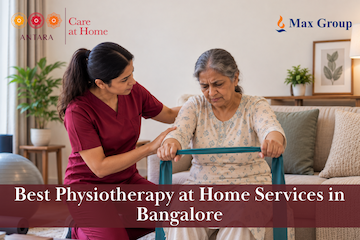
Best Physiotherapy at Home Services in Bangalore

Please fill in the form and submit the details to request an appointment.