Loading...
Loading...
 BACK
BACK2022-09-01
Memory Care
Progressive neurodegenerative disorders like Dementia and its other forms have a significant impact on a patient’s memory. As the condition progresses, patients require intensive and specialized care to ensure they are safe and healthy. Memory care is long-term residential care that is dedicated to support patients with memory issues.
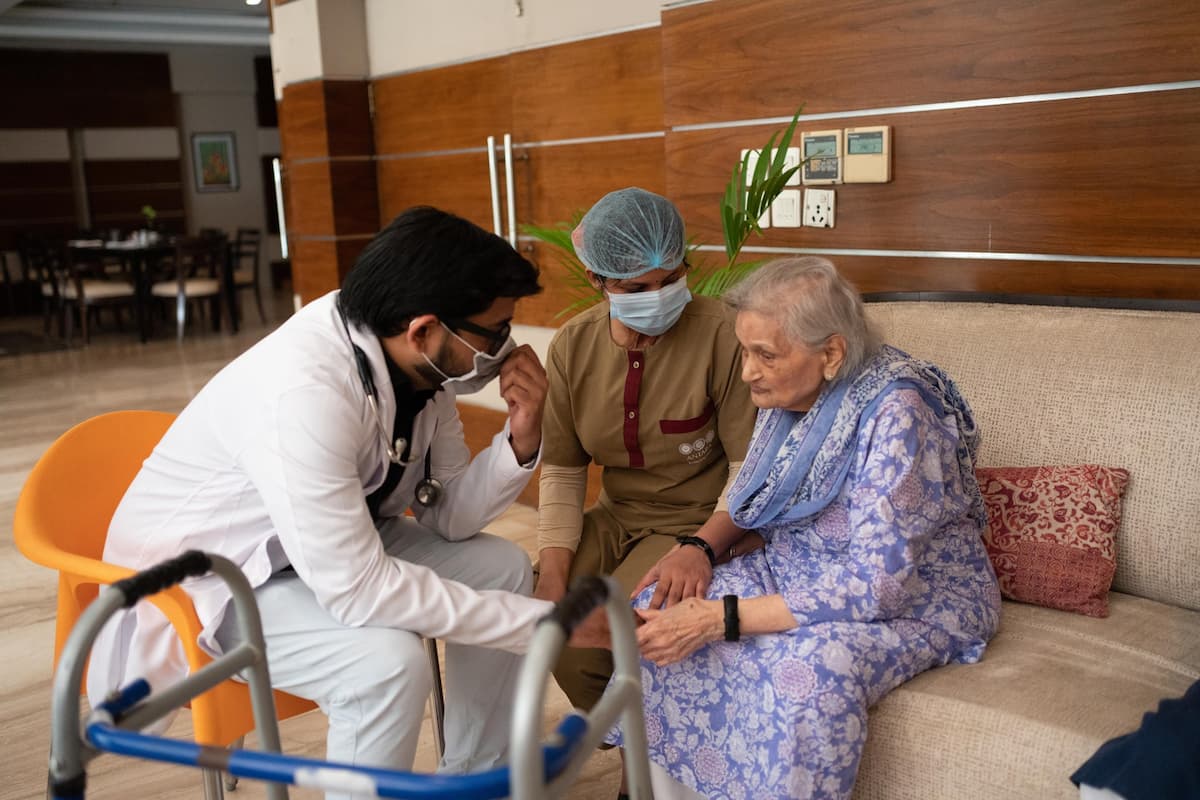
Patients with cognitive decline require personalized care and structured routines that slow down the progression of memory loss. Memory care homes provides facilities like safe, secure, and structured environment with accessibility to all the support patients need to conduct their everyday activities with ease.
A well-designed memory care residence ensures comfort, familiarity and constant monitoring for Dementia patients.
What is a Memory Care Home?
Memory care is a subset of assisted living, offering more in-depth services and care that guarantee a host of benefits. Dementia is often correlated with age and assumed as normal memory lapses that come with old age. However, it is far from mere forgetfulness and isn’t directly associated with age either. Dementia is a result of various risk factors like lifestyle, genetics, and other health risks which causes memory loss, disorientation, confusion, and interferes with the individual’s ability to perform daily activities.
Want to know more about Memory care homes? Talk to our team today.
How Memory Care Homes Support Dementia Patients?
It is imperative to give personalized Dementia care to your patient as soon as it is diagnosed, to manage the symptoms and help patients lead a normal life. Effective Dementia treatment can further support this process and improve long-term outcomes.
This is where Memory care homes play an integral role
● They perform in-depth patient profiling to create specialized and tailored care plans designed specifically for Dementia patients and cater to their individual needs.
● Multi-specialty care team and certified caregivers who provide physical and emotional support that enable patients to lead an independent life.
● A secure environment with 24/7 surveillance that guarantees patient safety and peace of mind to families.
● With a host of activities and hobbies planned every day, patients are always kept engaged, ensuring their life is fun filled and enriching.
● Additionally, each of the activities planned also help in improving their overall quality of life by promoting memory health.
● A team of experts available at all times to support patients with activities like dressing up or preparing meals, reminding them to take their medication, and ensuring their physical safety.
● Specialized therapies like occupational therapy, balancing therapy for fall risk, and cognitive stimulation therapy help reduce confusion among patients, prevent them from wandering or falling, and slow down cognitive decline through activities that stimulate the brain.
Benefits of Shifting Dementia Patients to Dementia Care Homes
From much needed individualized care to personalized meal plans, activities, dementia treatment, and more, the benefits of shifting Dementia patients to a memory care home are plenty. Antara recognized the need for dedicated homes and thus conceptualized Antara Memory Care Home keeping the specific needs of Dementia patients in mind.
Confused if you need a luxury memory care home for yourself or your loved one? We are here to clear your confusion and help you make the right decision.
How Antara’s Specialised Memory Care Homes Help?
Antara’s trained and certified experts plan and deliver neuro-cognitive health assistance and specialized therapies. These helps promote mental and emotional wellbeing within a safe and secure residential facility. Antara’s Dementia Care Home offers clinical wellness solutions, mental stimulation activities, and emergency support for patients. Our caregivers are dedicated to providing unparalleled service to residents.
Our homes enable residents to lead their lives with dignity and independence while providing their families peace of mind. The multidisciplinary care team at Antara Memory Care Home in Gurugram offers holistic services, 24/7 surveillance, and specialized therapies like speech and swallow therapy, to help improve the overall health and wellbeing of patients.
To know more about the first-of-its-kind holistic care facility for Dementia patients in Gurugram, click here or call us on 98114 41111.
Conclusion
A Memory Care Home is a special place where people with dementia and other memory problems get long-term care. These homes do more than just look after residents day-to-day. They offer brain exercises, engaging activities and keep an eye on health. All this helps to slow down memory loss and keep residents feeling good.
If you are wondering about What is a Memory Care Home? Contact Antara Memory Care today.
The 3 golden rules of dementia care are:
Do not ask direct questions (you can use open ended prompts instead)
Listen them actively and learn how to communicate with them actively (both verbal and non-verbal communication)
Don't contradict the person.
With the help of these principles there will be a sense of dignity, reduced confusion, and more trust among dementia patients while providing better support and communication.
Key red flags for memory problems (including but not limited to) are frequent repetition of questions, difficulty remembering object names, missing appointments, trouble following conversations, increased anxiety and safety concerns like leaving appliances on or getting lost in familiar places. If you notice these symptoms persisting, consult your doctor immediately for proper evaluation
Yes, there's a significant difference. Memory care refers to specialised residential settings with dedicated units and specially trained staff. Dementia care is broader, encompassing various care services across different settings including home care, with varied staff training levels and costs.
Early signs include forgetting important dates, repeated questions, difficulty managing finances or medications, problems with bathing and dressing, increased agitation or anxiety, and challenges following TV programs. Changes in walking patterns, coordination problems and taking frequent pauses during conversations are also warning indicators (these symptoms may warrant medical attention)
Think about memory care when your parent has trouble with everyday tasks like taking a bath, getting dressed, or taking their medicine. It's also worth considering if you notice changes in how they act such as becoming aggressive or wandering off. Safety issues, like forgetting to turn off appliances, or needing more care than your family can give are other signs. Getting a professional to check their thinking skills can help you figure out the right time to make this move.

Please fill in the form and submit the details to request an appointment.