Loader

Loading...

arrowBACK

Hip Replacement and Post-Surgery Care Services for Elderly

2025-12-22

Care Homes

Hip pain does not arrive suddenly for most people. For elders and seniors, it usually grows slowly over the years. At first, it may be a small discomfort. Later, even simple things like standing up, walking a short distance, or turning in bed can start to hurt. Over time, this pain affects daily life and independence. This is when doctors often suggest hip replacement surgery. 


Even then, surgery is only one part of the process. Recovery takes time and patience. The body needs support, especially in the early weeks. With proper post-surgery care, physiotherapy, mobility help, and assisted living support, elders can recover more safely. Seniors who receive steady care often feel more confident as they heal and slowly return to their normal routines. Let’s understand this in detail.
Expert Senior Care, Apno Jaisi
blog

What Is Hip Replacement Surgery?

Hip replacement surgery is done when the hip joint becomes too damaged to function properly. This damage can come from arthritis, old injuries, fractures, or long-term wear. In this surgery, doctors remove the damaged parts of the joint and replace them with artificial components that allow for smoother movement. 


For elders and seniors, the goal is simple. It is to reduce pain and make daily movement easier. Walking, sitting, or standing should not feel like a struggle every day. When recovery is supported with proper care and assisted living support, many seniors notice gradual improvement in comfort and mobility.

Why Senior Citizens Need Mobility Support After Hip Replacement Surgery?

After hip replacement surgery, movement does not feel normal right away. Elders and seniors often feel hesitant while walking or changing positions. This is common. The body needs time to trust the new joint. 


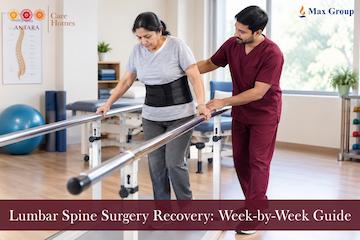
Mobility support helps during this stage. It reduces the risk of falls and gives seniors confidence to move safely. Muscle weakness and balance problems are also common after surgery. With walking aids, caregiver assistance, and supervised movement, elders slowly regain strength. 


Assisted living environments make daily tasks easier during recovery. Seniors do not have to push themselves too hard or worry about safety. With regular mobility support, recovery feels less stressful and more manageable, both physically and emotionally.

Why Personalized Physiotherapy Is Important for Restoring Mobility After Surgery?

Not every elder recover at the same speed. Some seniors feel stronger sooner, while others take longer, and that is completely normal. This is why personalized physiotherapy matters so much after surgery. 


Customized exercises focus on what the individual needs. Some elders need help with balance. Others need to work more on flexibility or strength. Physiotherapy helps reduce stiffness and teaches safe ways to move during daily activities. 


With time, seniors begin to feel more comfortable using their new joint. When physiotherapy is combined with assisted living care, recovery feels more structured and less overwhelming.

Recovery Time After Hip Replacement Surgery in Elderly Patients

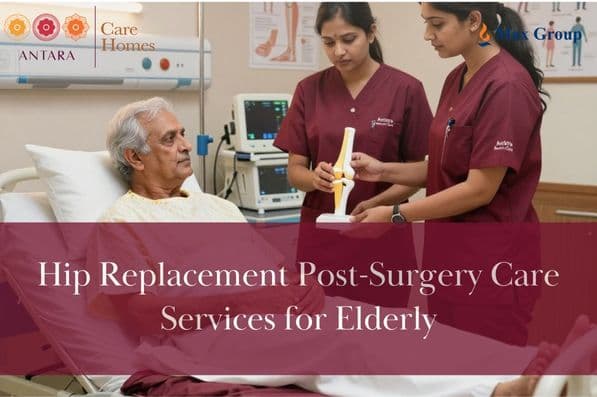
There is no fixed recovery timeline after hip replacement surgery. For elders and seniors, recovery depends on health, physical condition, and the quality of post-surgery care. In the first few weeks, movement is limited, and help is often needed for walking, sitting, and personal care. 


Slowly, strength returns. Physiotherapy and gentle movement help improve flexibility and balance. Many elders begin to move more comfortably within a few months. Full recovery can take longer, and that is normal. Assisted living support during this period helps seniors stay safe, comfortable, and consistent with their care routine.

How Care Home Recovery Makes Hip Replacement Healing Safer and Faster?

Recovering at home is not easy for every senior. Elders may feel unsafe, especially when mobility is limited. Care home recovery offers a safer and more controlled environment after hip replacement surgery. Assisted living and care homes are designed to support recovery without constant strain on the senior. Antara care homes are best for seniors who are recovering from any major surgeries like hip replacement or need daily support.

Care home recovery helps in many ways:

  • Continuous supervision: Seniors are monitored throughout the day and night. 
  • Mobility assistance: Help is available while walking, sitting, or standing. 
  • Physiotherapy support: Exercises are done at a comfortable pace. 
  • Medication management: Medicines are given on time without confusion. 
  • Comfort-focused care: Proper rest, hygiene, and posture support are provided. 
  • Nutritious meals: Balanced food supports strength and healing. 
  • Emotional reassurance: Seniors feel calmer knowing help is always nearby

For many elders, this kind of environment makes recovery smoother and less stressful.

Conclusion

Hip replacement surgery can reduce pain and improve movement for elders and seniors, but recovery depends on consistent care. Healing takes time, and rushing the process often leads to problems. Proper post-surgery care makes recovery safer and more stable. 


With assisted living support, physiotherapy, and daily mobility assistance, elders regain strength step by step. Seniors who recover in a supportive environment often feel more confident and secure. With the right care approach, long-term mobility and independence become achievable goals.

FAQs on Hip Replacement Surgery and Post-Surgery Care Services

What Are Common Hip Replacement Complications for Seniors?

After surgery, elders may face stiffness, infection, balance issues, or blood clots. Existing health conditions can slow recovery. Proper post-surgery care, regular monitoring, and assisted living support reduce these risks. Care services for elderly individuals in old age homes and luxury old age homes help identify issues early.

What Exercises Are Recommended After Hip Replacement Surgery for Elderly Patients?

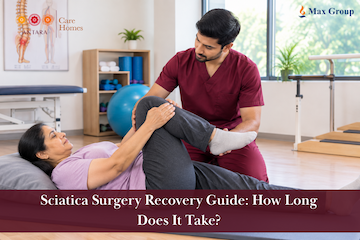
Simple exercises such as ankle movements, leg lifts, assisted walking, and gentle stretching are commonly advised. These exercises help improve circulation and strength. They should always be done under professional guidance as part of post-surgery care in assisted living settings.

Tell Me More About Post-Op Hip Replacement Diet Recommendations

Diet plays an important role in healing. Protein helps repair tissues, while calcium and vitamin D support bone health. Proper hydration and fiber intake also help recovery. Old age homes and luxury old age homes usually provide meals that support elderly recovery needs.

What Hip Precautions Do Seniors Need to Take After Surgery?

Elders should avoid bending too low, crossing their legs, or twisting the operated hip. Support while walking or sitting is important. Assisted living environments help seniors follow these precautions safely every day.

How Long Does Recovery Take After Hip Replacement Surgery?

Recovery time varies. Many seniors regain basic mobility within a few months, while full recovery may take longer. Consistent post-surgery care and care services for elderly individuals help ensure steady and safe progress.


Corner Design

Get In Touch

Please fill in the form and submit the details to request an appointment.