Loading...
Loading...
 BACK
BACK2026-04-20
Dr. Rohan
When a loved one suffers a stroke or paralysis, the first battle is survival. The second—and often more important is recovery. This is where most families feel uncertain. With multiple options available, choosing the best paralysis rehabilitation in Chennai can feel overwhelming.
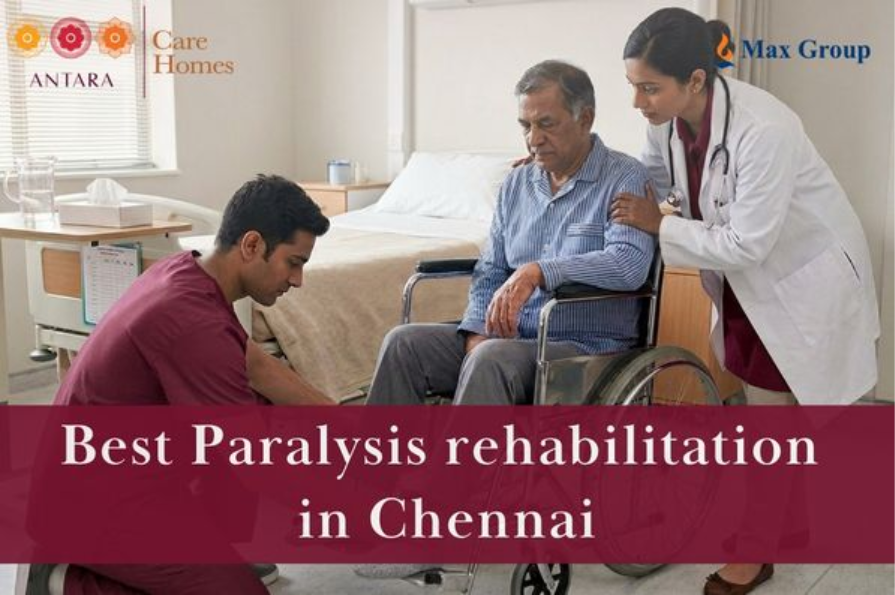
Should you opt for home care? A nearby clinic? Or a specialized paralysis rehabilitation center in chennai?
The answer lies in understanding one simple truth:
Paralysis recovery is not about convenience; it is about consistency, clinical expertise, and structured care.
Chennai, a major healthcare hub, offers a mix of options from standalone physiotherapy clinics to advanced Care Homes. However, not all setups are designed to handle the complexity of neurological recovery.
Before exploring specific paralysis rehab centres, it’s important to understand what actually leads to better paralysis recovery outcomes.
The most effective rehabilitation environments typically offer:
Centres that lack these elements may help in early recovery but often struggle with long-term neurological rehabilitation.
Here are some of the commonly considered options in Chennai, ranging from structured care environments to smaller standalone centres.
Best for: Structured, medically supervised, end-to-end recovery
Antara Care Home offers a comprehensive paralysis rehabilitation environment designed specifically for stroke and paralysis patients. Unlike traditional rehab centres, it provides an integrated model where therapy, medical care, and daily support work together.
What sets it apart is its focus on structured and consistent recovery.
Key highlights:
This makes it highly suitable for patients who require intensive, long-term, and clinically supervised paralysis treatment.
Best for: Hospital-attached rehabilitation support
VS Hospitals offers neurorehabilitation within a hospital setup, which can be beneficial in the early stages post-discharge.
Best for: Basic stroke and paralysis therapy support
Sankalp provides rehabilitation services for stroke and paralysis patients in a compact setup.
Best for: Alternative therapy-based recovery
Punarjani focuses on Ayurvedic treatment methods for neurological conditions.
Best for: Standalone physiotherapy-led rehabilitation
This is a smaller, standalone centre offering therapy-focused recovery support.
The decision should not be based only on proximity or cost. It should be based on recovery needs.
Ask yourself:
If the answer is yes, a structured environment becomes essential.
Choosing the right rehabilitation environment plays a defining role in how well and how fast a patient recovers from paralysis. While smaller clinics and standalone rehab centers can support therapy, they often operate in limited hours and lack continuous supervision. Paralysis recovery, however, is not a part-time process it requires consistent monitoring, timely intervention, and a structured approach that adapts to the patient’s condition every day.
This is where Care home setups emerge as the most effective option for paralysis rehabilitation. They provide 24×7 monitoring, ensuring that any change in the patient’s condition is identified and addressed immediately. In cases of complications or emergencies such as sudden changes in vitals, infections, or neurological responses having an in-house emergency support system can make a critical difference.
Care Homes also follow well-defined clinical protocols, which bring consistency and predictability to recovery. Patients benefit from coordinated care led by experienced doctors, trained nurses, and certified rehabilitation staff, all working together towards a common recovery goal. Unlike fragmented setups, this integrated approach ensures that therapy, medical care, and daily support are aligned.
Ultimately, paralysis recovery is not just about access to therapy it is about the environment in which recovery happens. A structured Care Home setting offers the right balance of medical expertise, continuous care, and safety, making it one of the most reliable choices for achieving meaningful and long-term recovery outcomes.
Because in paralysis, recovery is not just about getting better.
It is about getting life back.
The best option depends on patient needs, but structured environments like Care Homes often provide better long-term paralysis recovery outcomes compared to standalone clinics.
Rehab centres can support therapy, but they may lack continuous monitoring and multi-disciplinary care needed for complex cases.
Recovery timelines vary from a few months to over a year, depending on severity and quality of treatment.
Home care may work initially, but for faster and more complete recovery, a structured Care home environment is often more effective.

Please fill in the form and submit the details to request an appointment.