Loading...
Loading...
 BACK
BACK2025-02-14
Dr. Divya Mathew
When it comes to Alzheimer's care facilities, there are many misconceptions that often prevent families from considering them as a viable option for their loved ones. Myths about care homes being impersonal, depressing, or only for those with severe health issues can cloud judgment and delay important decisions. At Antara care homes, we’re here to set the record straight.
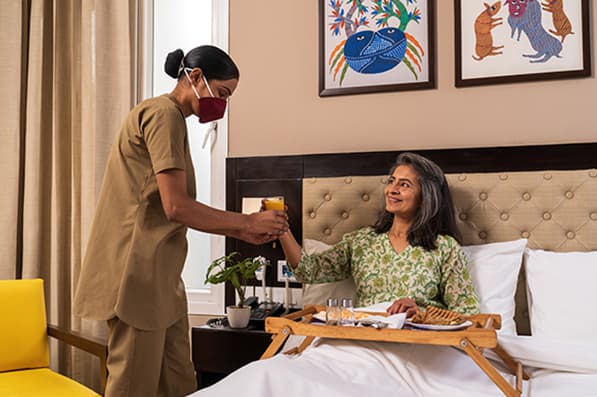
Senior living in India has changed significantly over the years. Modern care homes are no longer viewed only as places for medical support or old-age dependency. They are becoming structured, professionally managed communities where seniors receive safety, companionship, clinical support, wellness activities, and emotional care in a dignified environment.
For many families, the decision to explore a care home comes with hesitation because of outdated beliefs. These misconceptions often prevent seniors from experiencing a safer, more engaging, and better-supported lifestyle. Understanding the reality of modern senior care can help families make informed decisions for their loved ones.
Many people believe that moving to a care home means giving up independence. In reality, modern care homes are designed to support independence with the right level of assistance. Seniors can follow their routines, participate in activities, make personal choices, and receive help only where needed.
This is one of the most common misconceptions. Today’s senior living communities focus on comfort, warmth, and engagement. Private rooms, common lounges, gardens, activity areas, celebrations, and social programmes help create an environment that feels active, positive, and homely.
A good care home encourages family involvement. Regular visits, family events, health updates, and open communication help residents stay connected with their loved ones. For many families, structured care actually improves peace of mind because they remain informed and involved in the care journey.
Care homes are not only for seniors with severe illness. They can also benefit older adults who need assistance with daily activities, companionship, safer living infrastructure, routine monitoring, or a more socially active lifestyle. Professional support helps seniors age with comfort, safety, and dignity.
Adjustment can take time, but a supportive community can make the transition easier. With personalised attention, familiar routines, engaging activities, and compassionate caregivers, many seniors gradually build new friendships and begin to feel comfortable in their new surroundings.
Antara Care Homes focuses on creating an environment where seniors receive care without losing their sense of identity, dignity, or comfort. The approach goes beyond medical support and includes emotional wellbeing, social connection, daily engagement, and personalised care planning.
Wellness is not limited to health monitoring. It also includes movement, recreation, emotional support, nutrition, social interaction, and meaningful engagement. Activities such as yoga, music, art, celebrations, group sessions, and guided routines help seniors stay active and emotionally connected.
Family connection plays an important role in senior wellbeing. Regular communication, updates, visits, and family participation help residents feel reassured and supported. This also helps families stay informed about the senior’s health, comfort, and overall progress.
Modern care homes are very different from outdated stereotypes. They offer professionally managed support, safer infrastructure, social engagement, wellness programmes, and personalised care for seniors at different stages of ageing.
For families, the right care home can provide reassurance. For seniors, it can offer comfort, dignity, companionship, and a more fulfilling daily life. The key is to look beyond myths and evaluate care homes based on quality of care, safety, transparency, communication, and resident wellbeing.
People often assume that care homes reduce independence, feel lonely, or provide impersonal care. In reality, modern care homes focus on safety, dignity, personalised support, social engagement, and better quality of life.
Good care homes can support senior wellbeing through regular monitoring, safer living spaces, structured routines, nutritious meals, social activities, and professional assistance. This can reduce loneliness and improve daily comfort.
Many assisted living and care home facilities provide nursing support, emergency response systems, medication assistance, doctor coordination, and health monitoring, depending on the resident’s care needs.
Quality care homes usually provide balanced meals planned around senior nutrition needs. They may also support specific dietary requirements such as diabetes-friendly, heart-friendly, soft, or culturally preferred meals.

Please fill in the form and submit the details to request an appointment.