
Loading...
Loading...
 BACK
BACK2021-09-30
Antara MedCare
As your parents or other senior family members age, you will begin to notice gradual, but major changes in the way they move around. This is completely natural of course, because for most people, mobility tends to get weaker as they get older. However, when your senior’s mobility gets extremely limited, that is when it begins to affect their day-to-day life. Because of mobility issues, your seniors may not be able to enjoy their regular activities anymore.
For most seniors, feeling independent, and being able to participate in their hobbies is paramount to having a good quality of life. When their mobility problems start to prevent them from being physically out there, it can lead to social isolation, thus impacting their mental health as well.
Here are some tips that will be handy for them to be able to enjoy their life as they age:
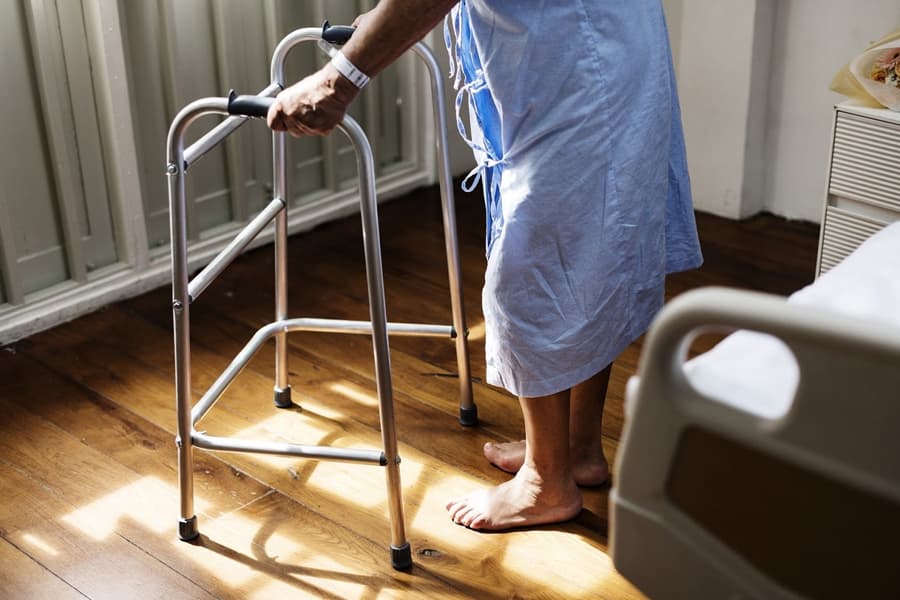
Reduced mobility in seniors can occur due to ageing, arthritis, neurological conditions, fractures, stroke, surgery recovery, muscle weakness, chronic illness, or prolonged inactivity. Limited mobility can affect independence, increase the risk of falls, and negatively impact emotional wellbeing and quality of life.
For many seniors, mobility challenges also lead to reduced social interaction, lower confidence, and greater dependence on family members for everyday activities. Early support and proactive care planning can help prevent further decline and improve overall safety.
Early physical assessment helps identify mobility limitations, balance concerns, muscle weakness, and fall risks before they become more serious. Physiotherapists, doctors, and trained caregivers can evaluate a senior’s movement patterns, walking ability, posture, and overall strength to recommend the right support plan.
Timely intervention through physiotherapy, mobility aids, structured exercise, and environmental modifications can significantly improve comfort, confidence, and daily functioning.
A safe home environment plays a major role in preventing falls and injuries among seniors with mobility challenges. Clutter-free pathways, proper lighting, anti-slip flooring, secure rugs, and organised living spaces help create a safer environment for movement throughout the day and night.
Loose wires, slippery surfaces, poor lighting, and obstacles in walking areas can increase the risk of accidents. Families and caregivers should regularly assess the home environment to ensure it remains mobility-friendly and safe for seniors.
Assistive devices can help seniors maintain independence and move around more confidently. Depending on individual mobility needs, doctors or physiotherapists may recommend canes, walkers, wheelchairs, grab bars, elbow crutches, bathroom safety aids, or other supportive equipment.
Using the right assistive devices not only improves safety but also helps seniors perform daily activities with greater comfort and reduced dependence on others.
Regular movement and gentle physical activity are important for maintaining muscle strength, joint flexibility, balance, and circulation in seniors. Even light exercises such as stretching, guided walking, chair exercises, and physiotherapy routines can help reduce stiffness and improve mobility over time.
Physiotherapy programmes tailored to the senior’s health condition and physical ability can also support recovery after surgery, fractures, stroke rehabilitation, neurological conditions, or prolonged hospitalisation. Families should consult healthcare professionals before starting any exercise routine for seniors with existing medical conditions.
In addition to physical support, emotional wellbeing also plays an important role in mobility recovery. Seniors who remain socially connected, mentally engaged, and emotionally supported are often more motivated to participate in daily routines, rehabilitation exercises, and community activities.
At Antara, MedCare Products and home healthcare solutions are designed to support seniors through mobility aids, physiotherapy support, caregiving assistance, and clinically recommended medical equipment that help improve safety, comfort, and independence at home.
Mobility challenges can affect a senior’s independence, confidence, and quality of life, but the right support systems can make everyday living safer and more comfortable. Early assessment, safe home modifications, assistive devices, physiotherapy, and compassionate caregiving all contribute to healthier ageing and improved mobility outcomes.
By creating mobility-friendly environments and encouraging physical activity, families and caregivers can help seniors remain active, confident, and emotionally supported while ageing with greater dignity and independence.

Please fill in the form and submit the details to request an appointment.