Loading...
Loading...
 BACK
BACK2026-08-13
Summary
When someone in the family has a stroke, a spinal cord injury, or is diagnosed with Parkinson's or multiple sclerosis, the first question everyone asks the doctor is some version of the same thing: will they be okay again?
It's rarely a simple yes or no. What usually follows the acute treatment phase is a longer, quieter chapter called neurological rehabilitation, and this is where most of the real recovery happens. Not in the ICU. Not in the operating theatre. In the therapy room, over weeks and months, one small win at a time.
Here's what neuro rehab actually sets out to do, and how to pick a centre that does it well.
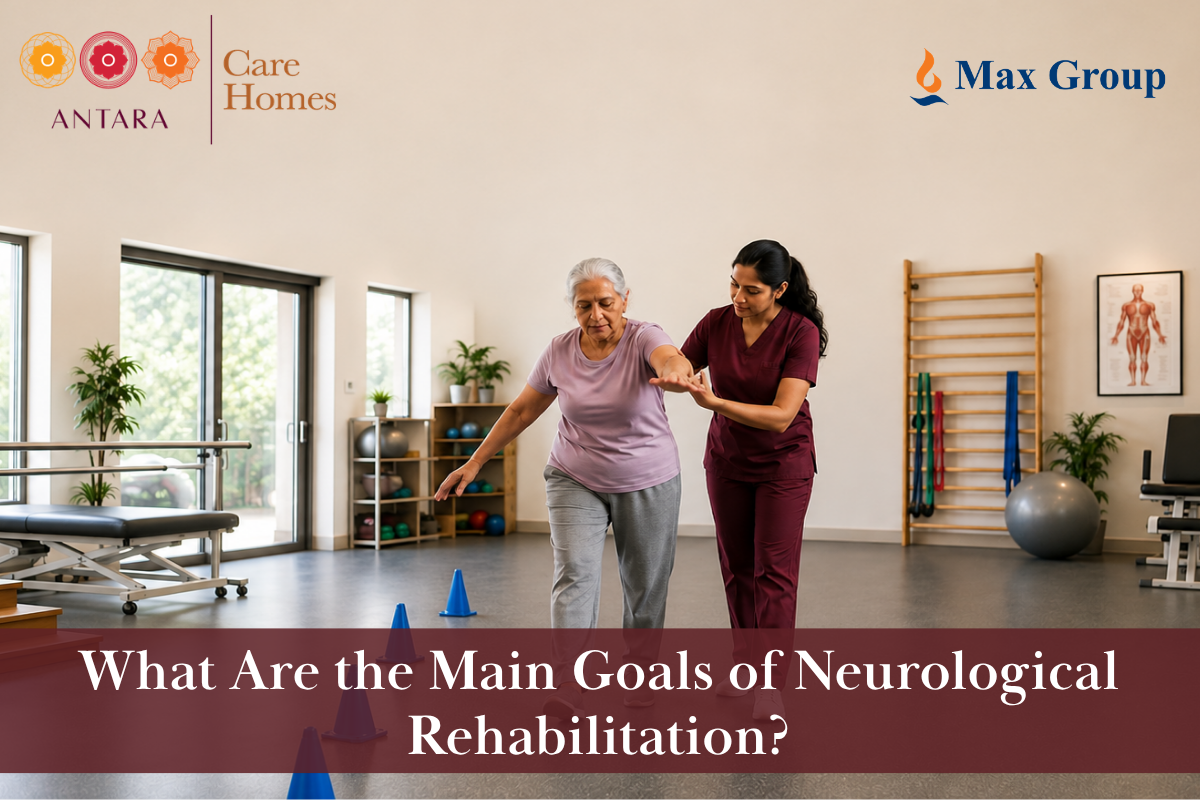
Neurorehabilitation is a supervised, medically guided programme designed to help people recover function after an injury or illness affecting the brain, spinal cord, or nerves. It's not a single treatment. It's a coordinated effort involving neurologists, physiotherapists, occupational therapists, speech language pathologists, clinical psychologists, dietitians, and trained nursing staff, all working from one shared plan.
The science behind it is neuroplasticity: the brain's ability to rewire itself. When one pathway is damaged, the nervous system can, with the right repetitive and targeted stimulation, recruit other routes to do the same job. That rewiring doesn't happen on its own. It needs structured, repeated, progressively harder practice, which is exactly what a rehab programme provides.
Conditions commonly managed through neuro rehab include:
Good post operative care in neurology is really just early rehab under another name. The sooner mobilisation, positioning, and therapy begin after surgery, the lower the risk of complications like pressure sores, contractures, pneumonia, and clots.
Every patient's plan looks different, but the underlying goals are fairly consistent.
1. Restore lost function wherever possible
This is the headline goal. Helping someone walk again, grip a spoon, speak clearly, swallow safely. Therapy is intensive and repetitive by design, because repetition is what drives neuroplastic change. Progress is measured in inches: sitting unsupported for thirty seconds, then a minute, then transferring to a chair.
2. Build independence in daily living
Full recovery isn't always realistic. Independence often is. Occupational therapists work on the ordinary but essential things: bathing, dressing, using the toilet, eating, managing medication. Getting a person from fully dependent to partly independent transforms daily life for the whole household, not just the patient.
3. Prevent secondary complications
A large part of rehab is defensive. Immobility invites pressure ulcers, joint stiffness, muscle wasting, urinary infections, deep vein thrombosis, and aspiration pneumonia. Structured positioning, chest physiotherapy, bladder and bowel programmes, and skin care protocols exist to stop these before they start. This is unglamorous work, and it saves lives.
4. Manage pain, spasticity, and other symptoms
Spasticity after a stroke or spinal injury can be painful and can undo therapy gains. Neuropathic pain, fatigue, tremors, and bladder dysfunction all need active management through medication, positioning, splinting, botulinum injections, or targeted therapy.
5. Restore communication and cognition
Speech therapy addresses aphasia, dysarthria, and swallowing difficulties. Cognitive rehabilitation targets memory, attention, problem solving, and executive function. These areas are often overlooked because the deficits aren't visible, yet they determine whether someone can return to work or manage their own finances.
6. Support mental and emotional health
Depression and anxiety after a neurological event are extremely common and consistently under treated. Loss of identity, role, and control hits hard. Psychological support for the patient, along with counselling for the caregivers who carry an enormous and invisible load, is part of a serious programme rather than an optional extra.
7. Enable a safe return home
The final goal is discharge that actually holds. That means home assessments, ramp and grab bar recommendations, caregiver training, a clear medication plan, and follow up. A patient who improves in a facility and then deteriorates at home hasn't really been rehabilitated.
Families often ask about long term outlook, particularly with progressive conditions. With multiple sclerosis, for instance, multiple sclerosis life expectancy is now close to that of the general population, roughly five to seven years shorter on average, and improving with modern disease modifying therapy. Rehabilitation doesn't cure MS, but it strongly influences mobility, fatigue, and quality of life across those years.
If you're searching for neuro rehab near me, look past the marketing and check a few concrete things:
Neurological rehabilitation in India has improved considerably over the past decade, with dedicated inpatient facilities now available in most major cities at a fraction of Western costs. The gap is in consistency. Quality varies widely between centres, so due diligence matters.
Antara's approach is built around continuity of care rather than isolated therapy sessions. Patients are assessed by a combined medical and therapy team, given an individualised plan with defined milestones, and reviewed regularly as those milestones shift.
What sets the model apart is the residential setting: clinical rigour delivered in an environment that feels less like a hospital ward and more like a place a person can actually live while they recover. Nursing support runs round the clock, physiotherapy and occupational therapy are structured daily, and nutrition, psychological support, and family counselling form part of the standard programme rather than paid add ons.
For families managing long term neurological conditions, that combination of clinical depth and dignity is usually what makes the difference between coping and coasting.
The main goals of neurorehabilitation are straightforward to list and hard to achieve: restore function, build independence, prevent complications, manage symptoms, support mental health, and get the person safely home. Recovery is slow and rarely linear, but with an experienced team and a realistic plan, most patients regain far more than they expect at the start.
If someone in your family is at that stage, start early, ask hard questions of any centre you visit, and be patient with the pace of progress.
How long does neurological rehabilitation take?
It varies widely. Intensive inpatient programmes often run four to twelve weeks, followed by months of outpatient or home based therapy. Recovery after a stroke typically continues for a year or more.
When should rehab begin?
As early as the patient is medically stable, often within days. Early mobilisation is consistently linked to better outcomes.
Is neuro rehab useful for progressive conditions like Parkinson's or MS?
Yes. It won't stop the disease, but it improves mobility, reduces fall risk, manages fatigue, and preserves independence for longer.
Can rehabilitation be done at home?
Some of it, yes, usually as a continuation of an inpatient programme with periodic professional review. Complex cases involving tracheostomies, severe spasticity, or significant cognitive deficits generally need supervised inpatient care first.
How much does neuro rehab cost in India?
Costs depend on the city, the level of nursing required, and the length of stay. Ask for a written monthly estimate covering therapy, nursing, medication, and consumables before admitting.

Please fill in the form and submit the details to request an appointment.