Loading...
Loading...
 BACK
BACK2026-09-18
Sciatica surgery can help relieve severe leg pain, numbness, or weakness caused by pressure on a nerve. But surgery is only one part of the recovery journey. Your body needs time to heal, and recovery can look different for each person. Some people return to normal activities within a few weeks, while others need more time. Factors such as the type of surgery, overall health, and physical activity can affect recovery. This guide explains sciatica surgery recovery, what to expect each week, and when you may return to daily activities.
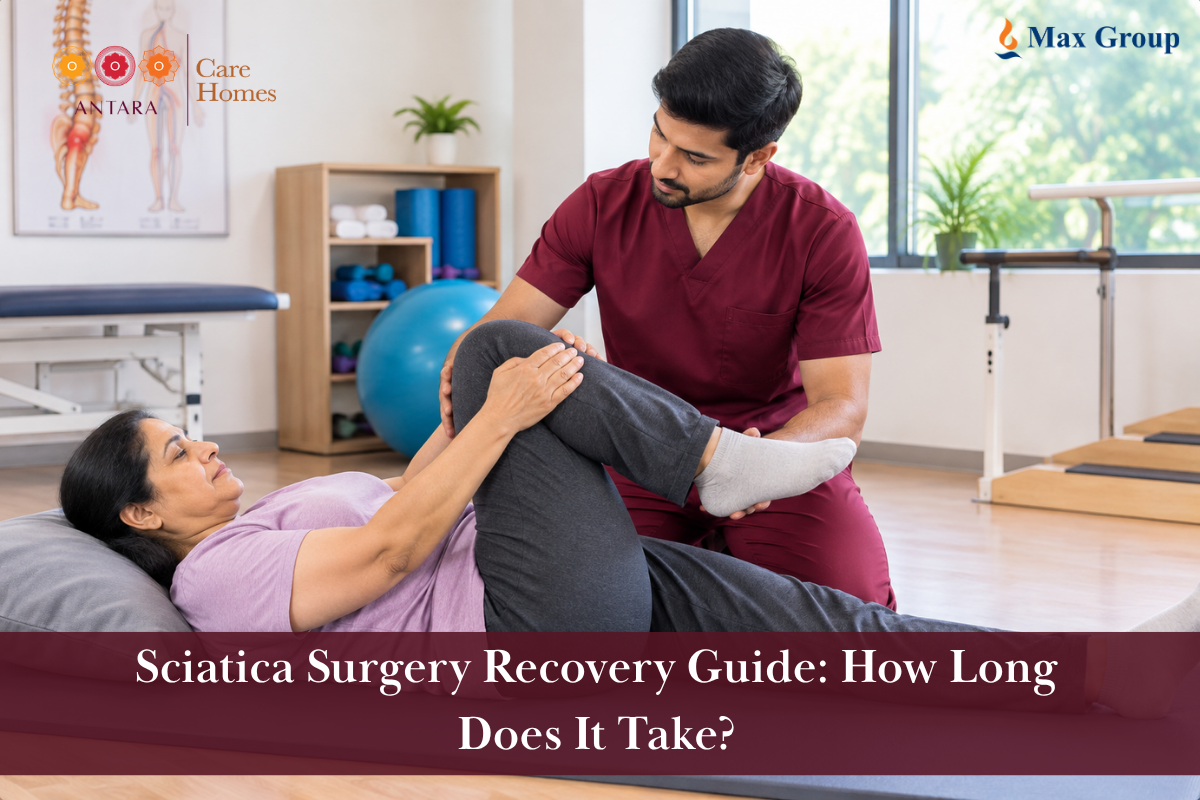
Most sciatica cases settle with time, medication, and physiotherapy. Surgery enters the conversation when none of that works.
A herniated disc pressing on the sciatic nerve is the usual culprit. When leg pain, numbness, or weakness sticks around despite months of conservative care, or gets worse instead of better, surgery becomes a real option. A microdiscectomy is the most common procedure here. It removes the piece of disc pressing on the nerve.
The decision isn't automatic. It depends on symptom severity, imaging results, and how much daily function has already been lost.
The leg pain often eases fast. That surprises people.
Many patients notice real relief within days of surgery, sometimes before they've even left the recovery room. This procedure is frequently done as day surgery. You go home the same day, walking almost right away.
The incision area will feel sore. Some swelling and bruising are normal too. Numbness or tingling can linger even after the nerve pressure is gone, since irritated nerves take longer to settle than the disc itself takes to heal.
Movement stays gentle this week. Short walks around the house, several times a day, help more than extended rest does. Bending, lifting, and twisting all stay off-limits. Your surgical team will walk you through exactly what's safe.
Fatigue hits harder than expected too. That's the body doing quiet repair work you can't see yet.
Momentum builds here, even when it doesn't always feel like it.
Pain and stiffness at the incision site continue easing. Walking distances grow steadily. Many people start returning to desk work during this window, though physically demanding jobs need more time.
Nerve symptoms sometimes act unpredictably. A tingling sensation might flare, then fade, then flare again. This isn't a setback. It's the nerve recalibrating after months of compression.
Light daily tasks come back gradually. Cooking. Light errands. Sitting for longer stretches, broken up with regular movement breaks. Twisting the spine and heavy lifting remain restricted through this stretch, since the disc space is still settling.
Sleep quality often improves by this point, as the sharp radiating pain that originally sent you to surgery keeps fading into the background.
Real strengthening work typically starts here.
Physiotherapy after sciatica surgery often begins around this stage, focused on core stability and safe movement patterns. Sessions build gradually. Nothing forced, nothing rushed past what the spine can handle.
Walking after sciatica surgery starts to feel like second nature by this point for many patients. Distances keep growing. Confidence in bending and moving returns slowly, alongside actual physical strength.
Return to more demanding work often happens in this window too, once cleared medically. Sciatica surgery recovery time varies a fair amount here, shaped by how much nerve irritation existed before surgery and how the body is responding now.
Some residual numbness or tingling may still be present. This usually continues improving, even if slowly.
Nerve healing runs on its own separate timeline from wound healing. A structure spine rehabilitation helps in better recovery.
Removing pressure on the nerve doesn't repair it instantly. The sciatic nerve, the longest one in the body, has been irritated and compressed for a while before surgery even happened. Recovering from that takes real time.
Leg pain typically improves fast, often within the first days or weeks. Numbness, tingling, or lingering weakness tend to follow a slower path. Nerve recovery after sciatica surgery can continue for several months, sometimes up to six, before full sensation and strength return.
Every case moves differently. How long the nerve was compressed before surgery, and how severe that compression was, both shape how long full healing ultimately takes. Post Operative rehabilitation offers personalised plan, 24*7 medical support, therapies, recovery led environment and insurance claim support.
A few movements carry real risk during healing.
Bending forward at the waist puts direct pressure on the healing disc space. So does twisting the spine, especially combined with lifting. Heavy lifting of any kind stays restricted for weeks, sometimes longer depending on your surgeon's guidance.
High-impact activity, running or jumping, needs to wait for clearance. Prolonged sitting without breaks isn't ideal either. Smoking slows healing a great deal and should be avoided entirely during recovery, given how sensitive nerve tissue is to blood flow and oxygen.
Physiotherapy plays a real role here, not just a supporting one.
It rebuilds core strength that protects the healing disc space long-term. It retrains safe movement patterns too, correcting the habits that may have contributed to the original problem. Guided sessions help you avoid re-injury while nerve tissue continues its slower healing process underneath.
Good post-operative spine rehabilitation coordinates everything under one roof.
At Antara, sciatica surgery recovery follows a PM&R led approach. A physician oversees physiotherapy and pain management as one coordinated plan. Nursing support stays available 24x7. Rooms include grab bars and anti-skid flooring for safety. An in-house pharmacy keeps medication simple, and nutrition support plays its part in helping nerve tissue and disc space heal properly throughout the stay.
1. How long does sciatica surgery recovery take? Leg pain often eases within days. Full nerve recovery can take several months, sometimes up to six.
2. What is the sciatica surgery recovery timeline? Walking begins immediately, light activity returns by weeks two to four, real strength builds by week eight.
3. When can I walk normally after sciatica surgery? Walking starts almost right away, with distance and comfort improving steadily over the following weeks.
4. Why does numbness linger after sciatica surgery? Nerve tissue heals slower than the disc itself. Numbness or tingling can persist for months as the nerve recalibrates.
5. Does physiotherapy speed up sciatica surgery recovery? Yes. It rebuilds core strength and safe movement patterns that protect the spine during and after healing.
Sciatica surgery recovery moves on two timelines at once. Wound healing settles within weeks, while full nerve recovery can take a lot longer. Physiotherapy, patience, and the right rehabilitation support all shape how smoothly that fuller recovery unfolds.

Please fill in the form and submit the details to request an appointment.