Loading...
Loading...
 BACK
BACK2026-09-21
Dr. Darshan NA
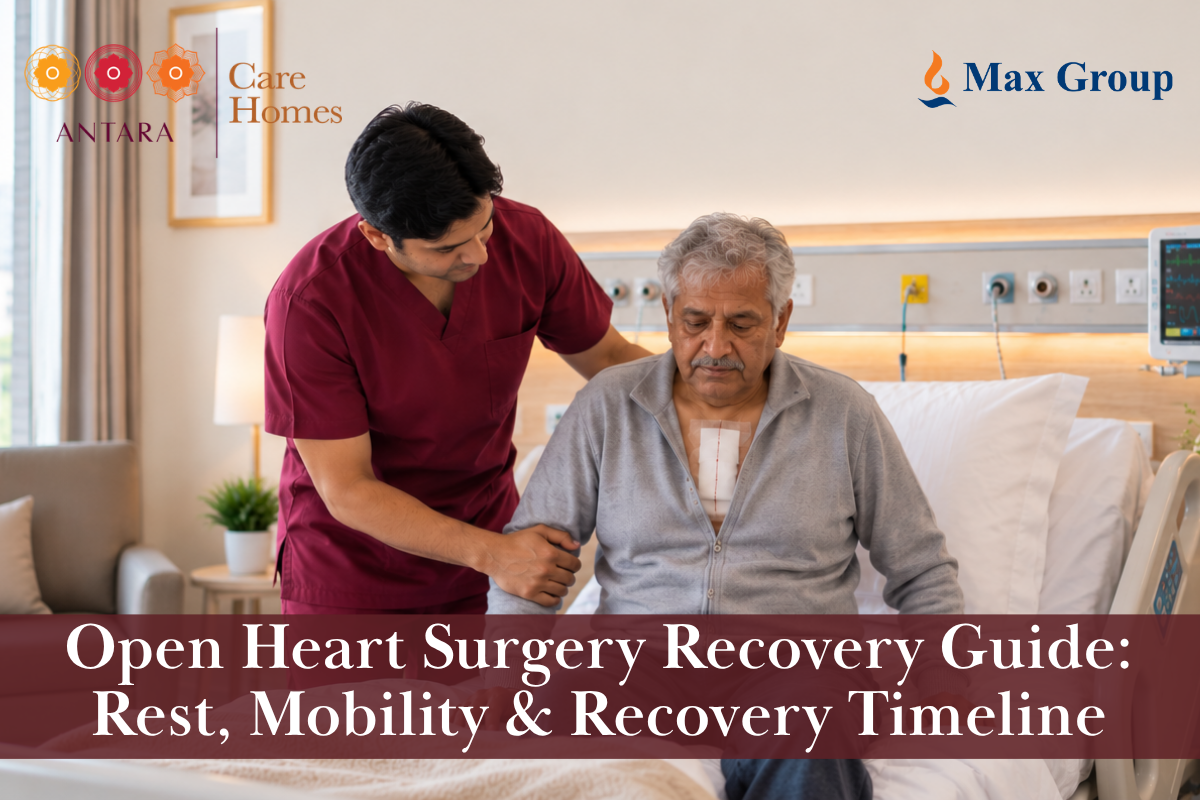
Recovery after open heart surgery takes time and depends on the type of procedure and the patient’s overall health. Rest is important in the early days, but gentle movement and gradual activity also play a key role. With proper medical care, physiotherapy, and a planned recovery routine, patients can slowly regain strength and return to daily activities.
Two separate things heal here, at two separate speeds.
Your chest wound and breastbone come first. That's the visible part. It takes weeks. Your heart's actual function improves faster, often right away. The tricky part is that your energy doesn't catch up as quickly as your heart does. That gap confuses a lot of people early on.
Every recovery moves a little differently. Age, other health conditions, and how the surgery itself went all shape the pace. Give yours the time it actually needs. Not the time you think it should take.
Getting stable comes before anything else.
Intensive care is where you wake up first, usually staying there a day or so. A team watches your heart rhythm closely. Blood pressure. Oxygen levels. All tracked constantly. From there, you move to a regular cardiac ward, and the real work begins.
Open heart surgery recovery time in the rehabilitation often stretches 2-3 weeks. Sometimes longer, depending on how things go. Walking starts early though, often within a day or two. Just a few steps at first, with help close by. That early movement matters. It protects your lungs. It lowers clot risk too.
Soreness around your chest and incision is normal. So is a scratchy throat, if a breathing tube was used. Pain gets managed with medication. Sleep can feel strange this week, since lying flat isn't always comfortable yet. Some people find a slight incline helps.
Sternal precautions begin right away. No pushing. No pulling. No lifting anything heavy. Someone will show you exactly how to move safely before you're discharged.
This stretch surprises people. It's quieter than expected.
Fatigue after open heart surgery hits harder than most patients plan for. Your body is doing real work underneath the surface, even on days that feel slow and uneventful. Rest matters here just as much as movement does.
Walking distances grow though, a little each day. Short outdoor walks often start in this window. Energy usually shifts by week three or four, mostly for the better. Simple tasks feel more manageable. Dressing. Light meals. Sitting up for longer stretches.
Your incision needs daily attention. Watch for redness, warmth, or anything unusual. Your rehabilitation care team will support and guide you with everything.
Structured progress really kicks in here.
Cardiac rehabilitation after heart attack or open heart surgery usually starts somewhere in this window. It's supervised exercise paired with real education on heart health. Every major cardiology guideline recommends it, and the reasons are solid. It lowers your risk of future problems in a way that's hard to argue with.
Sessions build slowly. Walking distance increases. Light resistance work sometimes gets added too, always guided, never rushed ahead of where you actually are. A trained team tracks your response along the way.
Desk-based work often resumes around now, once cleared. Physical jobs usually take longer. Sternal clearance, confirming the breastbone has healed enough, often happens around week six to eight. That clearance opens the door to using your arms more freely again, and it often marks a real turning point emotionally too.
Things start feeling normal again through this stretch.
By month three, stamina and energy both show real gains for most people. The breastbone has mostly finished healing too. Full recovery after open heart surgery, meaning your pre-surgery energy levels, often takes three to six months total. Some patients get there faster. Others need the full window, and that's completely fine.
More demanding activity, travel, and physically tougher work all tend to return somewhere in this window, based on your care team's clearance. Emotional well being is also important. Low points and irritability aren't unusual after heart surgery. They typically ease as physical strength comes back, though talking to someone helps if that low period stretches on longer than expected.
More than most people expect, honestly.
The first two weeks call for real rest, balanced with short walks spread through the day. Naps help. A steady sleep routine helps too, even when sleep itself feels different for a while.
A structured cardiac rehabilitation will guide you with everything. Rest doesn't mean lying still all day though. Your recovery needs most than just rest, physiotherapist guided gentle movement actually speeds things along. It's the heavy stuff, lifting, straining, pushing through exhaustion, that needs to wait. Your body will tell you what it needs, if you're willing to listen.
The right rehabilitation centre can make a difference during the early months after open heart surgery. Look for:
1. How long does open heart surgery recovery take? Short term stay at cardiac rehabilitaion normally run 2-3 weeks. Full recovery of energy and stamina takes three to six months.
2. What is the open heart surgery recovery timeline? Walking starts within days, cardiac rehab begins around week five to eight, normal life returns by month three.
3. How much rest is needed after open heart surgery? Real rest for the first two weeks, balanced with short walks, then gradually less rest as strength returns.
4. When can I return to normal activities after heart surgery? Light activity within weeks, more demanding tasks by month three, full activity often by month six.
5. Does cardiac rehabilitation really help recovery? Yes. It lowers future risk and rebuilds strength and confidence at a pace your heart can safely handle.
Recovery after open heart surgery moves through real stages, each with its own pace. Rest, gradual movement, and structured cardiac rehabilitation all play a genuine part in how that recovery unfolds over the months ahead.

Please fill in the form and submit the details to request an appointment.