Loading...
Loading...
 BACK
BACK2026-09-14
Dr. Darshan NA
Open hernia surgery is a common procedure used to repair a weak area in the abdominal wall. After surgery, many patients wonder how long they need to stay in the hospital and when they can return home. The hospital stay can vary depending on the type of hernia, the surgical method used, overall health and how well recovery is going.
In this guide, we explain the post operative rehabilitation recovery after open hernia surgery, what happens during recovery and when you may be ready for discharge.
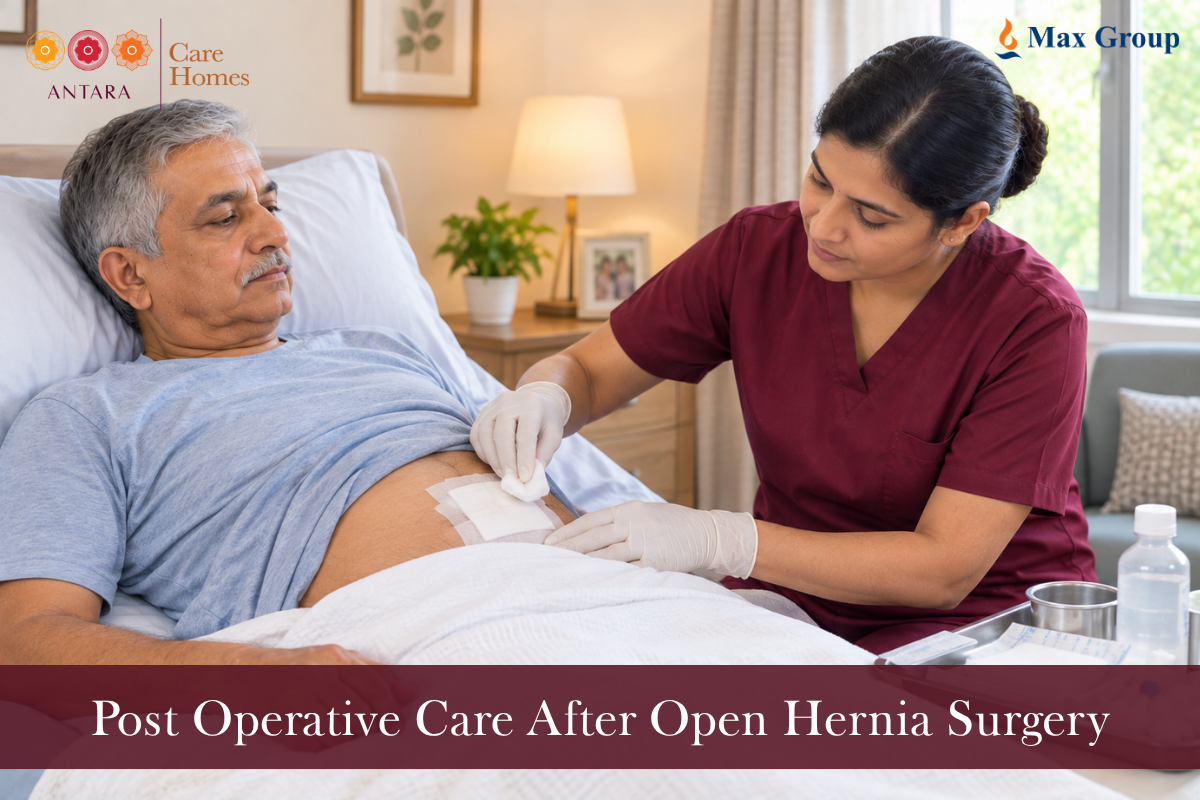
Rehabilitation after open hernia surgery usually takes a few weeks, but the exact time depends on the type and size of the hernia, the surgical technique used and your overall health. Most people can start light walking soon after surgery and gradually increase their activity. Heavy lifting and strenuous exercise may need to be avoided for several weeks. Your surgeon may recommend physiotherapy or specific exercises if needed. Full recovery can take around 4–6 weeks, while some people may need longer.
These first two days are about staying stable and managing pain. Post Operative rehabilitation just after surgery is important in order to recover fast.
A structured post operative rehabilitation creates your recovery plan. Nurses check your vitals often. Blood pressure. Heart rate. Oxygen levels. All watched closely. Some soreness is expected. Pain medicine handles that.
Walking starts fast, sometimes within hours. Even a few steps help. It gets blood moving. It lowers the risk of clots. Food comes back slowly too. Liquids first, solid food after that.
Nurses keep an eye on the incision. They're watching for redness or swelling. Any change gets reported right away. Most people feel foggy from anesthesia for a while. That fog clears by the next day for most patients. Rest matters just as much as movement during this window.
Recovery takes a few weeks, and it moves in stages. A structured post operative rehab for open hernia surgery recovery is necessary. As recovery does not happen in one day. It takes time and strength is build over the time. For that you need proper nutrition, therapies, recovery led environment and emergency readiness.
After surgery, soreness sticks around for two or three days. Pain medicine helps with that. Swelling and bruising show up too. They fade over one to two weeks. Nothing to worry about there.
You'll likely feel tired. That's normal. Your appetite might dip at first, then come back slowly. Some people get constipated, thanks to the pain meds and less movement. Drinking enough water helps with that. So does gentle movement, once you're cleared for it.
Small improvements happen daily, even when they're hard to notice. Some days feel better than others. That's expected too. Most people feel back to normal within four to six weeks. It depends on how big the repair was, and how the body responds along the way.
Walking comes first, often within hours. Short steps at first. A little further each day after that.
Showers usually happen within a day or two, once the team says the wound looks stable. Baths wait a bit longer. Keeping things dry matters early on. Soaking the incision too soon isn't worth the risk.
Regular eating starts within a few days. Start light. Build up from there. Small daily tasks, light housework, a short walk outside, often come back within one to two weeks. Heavy lifting waits much longer. Think four to six weeks, sometimes more. Driving usually waits too, until reflexes and comfort both feel normal again.
Some things need a call right away.
A fever over 100.4. Redness or discharge that's spreading. Pain that keeps getting worse, not better. Nausea or vomiting that won't stop. Not being able to pass gas or stool at all. Any of these on their own is worth a call.
Sudden swelling near the cut matters too. So does a wound that suddenly looks different than the day before. Call the surgical team. Don't wait it out at home hoping it passes.
Good care after surgery changes outcomes, especially for older patients or bigger repairs.
At Antara Care Homes, post operative rehabilitation means real oversight. Nurses check on the wound daily. They manage pain closely. Someone is always there, around the clock, day or night. Meals get planned with healing in mind. That matters more than people expect early on. Medications stay simple to manage too, with a pharmacy right on site.
Small safety details matter as well. Grab bars. Even flooring. Emergency buttons within reach. For older patients, this kind of close watch often means fewer setbacks. It means steadier progress too, week after week, without the guesswork families sometimes face managing recovery entirely on their own.
1. How many days in hospital after hernia surgery is typical? One to two days for most cases. Bigger or complex repairs sometimes need longer.
2. What is the open hernia operation recovery time overall? Around four to six weeks for full recovery. Light activities come back much sooner.
3. When can I resume normal activities after hernia surgery? Light tasks within one to two weeks. Heavy lifting waits four to six weeks.
4. Is elderly hernia surgery recovery different? Yes. Older patients often need closer monitoring and a bit more time overall.
5. What does post surgery care at home typically involve? Watching the wound, managing pain, easing back into activity, and watching for warning signs.
Most people stay one to two days after open hernia surgery. That's the short answer. The real work happens after discharge, over the weeks that follow. Careful post-operative care, at home or in a proper facility, makes that stretch go smoother.

Please fill in the form and submit the details to request an appointment.