Loading...
Loading...
 BACK
BACK2025-11-19
Care home
Knee replacement surgery can be a turning point for people living with chronic knee pain, arthritis, or long-term mobility challenges that affect daily independence and confidence.
With the right planning, recovery becomes smoother, outcomes improve, and complications are reduced significantly. This is where a patient care taker or an experienced caregiver for the elderly plays a vital role.
From emotional support to daily mobility assistance, proper care before and after surgery makes a real difference. Many families also rely on assisted living facilities to ensure comfort and professional supervision.
In this guide, we will discuss essential preparation steps to help patients and caregivers feel informed, confident, and ready for a healthier, more mobile life ahead.
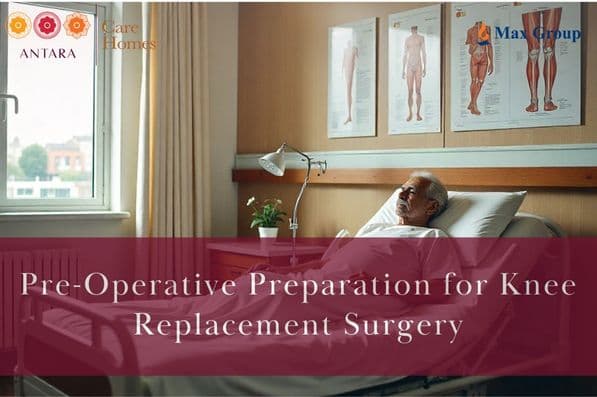
Preparing for knee replacement surgery involves more than just setting a surgery date and completing hospital paperwork. Pre-operative care plays a critical role in determining how smoothly the surgery goes and how well the patient recovers afterward. From reducing health risks to improving long-term mobility, proper preparation sets the foundation for successful outcomes.
When combined with support from a patient caretaker, assisted living facilities, or a reliable caregiver for elderly patients, pre-operative care becomes even more effective and reassuring.
One of the primary benefits of pre-operative care is lowering the risk of complications during and after surgery. Medical evaluations help identify conditions such as diabetes, high blood pressure, or infections that could interfere with healing.
Doctors may adjust medications, recommend lifestyle changes, or suggest physiotherapy before surgery. This proactive approach reduces the chances of blood clots, infections, delayed wound healing, or anesthesia-related issues.
With proper planning and support from a patient care taker, patients can follow medical instructions accurately, improving overall safety and confidence before surgery.
Pre-operative care also focuses on preparing the body for recovery. Simple exercises strengthen the muscles around the knee, making post-surgery rehabilitation easier and less painful.
Nutritional guidance improves immunity and tissue repair, while mental preparation helps patients manage stress and fear. Elderly patients, in particular, benefit greatly when a caregiver for elderly individuals assists with daily routines, exercises, and emotional support.
In some cases, assisted living facilities provide structured pre and post-operative care making sure consistent monitoring and faster recovery progress.
The success of knee replacement surgery is not just measured by short-term pain relief but by long-term mobility and implant durability.
Pre-operative care educates patients on posture, movement habits, and weight management, all of which protect the implant over time. Patients who understand how to move safely and maintain joint health are more likely to enjoy lasting results.
With guidance from healthcare professionals and support from caregivers, patients can return to daily activities with confidence, stability, and improved quality of life for years to come.
Preparing for knee or hip replacement surgery is not something that should be rushed or taken lightly. The weeks before surgery are just as important as the procedure itself. Thoughtful preparation helps reduce stress, lowers the risk of complications, and makes recovery smoother.
With guidance from doctors and support from a patient caretaker, caregiver for elderly family members, or assisted living facilities, patients can enter surgery feeling confident and well prepared.
Staying active before surgery may feel challenging, but gentle movement is essential. Light exercises approved by your doctor help strengthen muscles around the joint and improve flexibility.
Stronger muscles support the new joint after surgery and reduce recovery time. Walking short distances, stretching, or simple physiotherapy exercises can make a noticeable difference. A patient care taker can assist with daily routines, ensuring exercises are done safely and consistently without overexertion.
Nutrition plays a vital role in how well the body heals after surgery. A balanced diet rich in protein, vitamins, and minerals helps build strength and supports tissue repair. Proper hydration is equally important.
Elderly patients often benefit when a caregiver for elderly individuals helps plan meals, monitors eating habits, and ensures medications are taken with food as advised. Good nutrition before surgery lays the groundwork for faster healing afterward.
Making small changes at home before surgery can prevent accidents and reduce stress during recovery. Removing loose rugs, arranging a comfortable sleeping area, and keeping daily essentials within reach are simple but effective steps.
Many families also consider assisted living facilities during the recovery period, especially if constant supervision or medical support is needed. Planning early ensures the patient feels safe, supported, and comfortable from day one.
Before surgery, it is essential to review every medication, supplement, and herbal product you are taking. Some medicines may need to be stopped or adjusted to avoid bleeding or other complications. Open communication with your orthopaedic surgeon helps prevent last-minute issues.
With the help of a patient care taker or caregiver for elderly patients, medication schedules can be managed correctly, reducing risks and promoting a smooth surgical experience.
Preparing for knee replacement surgery also means knowing what not to do. Focus on the pre operative don'ts as these small mistakes before surgery can delay recovery or lead to avoidable complications.
Never overlook signs such as fever, skin infections, persistent cough, or unexplained pain before surgery. Even minor infections can increase surgical risks and may lead to postponement.
Skipping pre-surgery physiotherapy or avoiding recovery planning can slow down healing later. Early muscle strengthening and mobility exercises prepare the body for surgery and rehabilitation.
Antara Care Homes provide structured, compassionate support tailored to post-surgical recovery. With trained caregivers, medical supervision, and rehabilitation assistance, their assisted living facilities ensure safety, comfort, and faster healing.
Knee or hip replacement surgery proves best to improve comfort and mobility when supported by proper preparation and aftercare. Paying attention to pre-operative steps, avoiding common mistakes, and planning recovery in advance helps seniors heal with confidence.
Preoperative preparation focuses on getting the body and mind ready for surgery. It includes medical checkups, basic blood tests, and doctor-approved exercises to strengthen the knee muscles.
Recovery preparation should begin well before the surgery date. Simple changes at home and planning physiotherapy sessions in advance makes recovery smoother.
Recovery time varies depending on age, health condition, and lifestyle. Most seniors see improvement within six to twelve weeks, while full recovery may take several months.
At Antara Care Homes, post-surgery care is handled with attention and compassion. Trained patient care takers assist with mobility, hygiene, medication, and physiotherapy routines.

Please fill in the form and submit the details to request an appointment.