
Loading...
Loading...
 BACK
BACK2026-08-25
Darshan NA
Introduction
A traumatic brain injury (TBI) can affect much more than a person’s physical movement. TBI comes with challenges that affects daily activities. such as movement, coordination. Early medical treatment and rehabilitation for recovery is important to get back to the normal life.. Neurological rehabilitation can help people work on these challenges and regain as much independence as possible. Depending on the person’s needs, rehabilitation may include physiotherapy, occupational therapy, speech and language therapy, cognitive rehabilitation, and other forms of support. Each person’s recovery is different, so the rehabilitation plan should be based on their condition, abilities, and recovery goals.
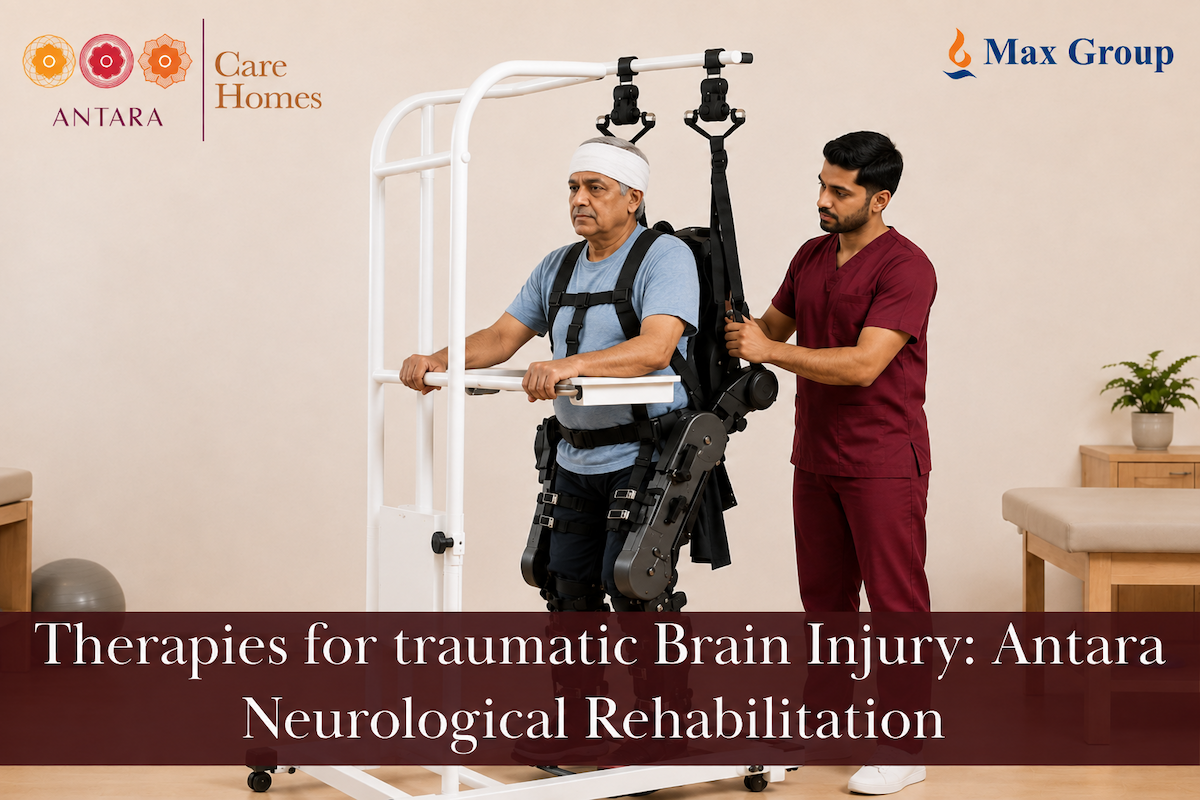
A traumatic brain injury (TBI) can affect people in different ways, depending on the severity of injury. Some patients face difficulty in walking, poor balance, or coordination. Others may have trouble with memory, concentration, speech, or understanding things. Brain Injury can also cause changes in mood, behavior and emotions.
It also impacts everyday activities such as dressing, eating, or communicating. And that's the reason brain injury patients need early brain injury treatment and rehabilitation. With structured rehabilitation, patients can work on these challenges with professional help.
Recovery after a traumatic brain injury does not stop once the patient leaves the hospital. TBI can affect movement, balance, speech, memory, thinking and everyday activities. Rehabilitation helps patients work on these challenges and regain important skills. Physiotherapy can improve movement and balance, while occupational therapy can help with daily activities. Speech and cognitive therapies can support communication, swallowing, memory and concentration. A personalised rehabilitation plan helps address the patient's specific needs and goals. With regular therapy, medical guidance and family support, patients can gradually improve their abilities and work towards greater independence.
A traumatic brain injury can affect different parts of a person's life, so rehabilitation may include more than one type of therapy. The treatment plan depends on the patient's condition, symptoms and recovery goals. Some of the commonly used therapies include:
Physiotherapy helps patients improve their strength, balance, coordination and movement. It may also help them work on walking, standing, changing positions and performing movements more safely.
Occupational therapy focuses on helping patients manage everyday activities. This can include dressing, eating, bathing, grooming and using their hands. Therapists may also suggest ways to make daily activities easier and safer.
A TBI can sometimes affect speech, communication or swallowing. Speech therapy can help patients improve their ability to speak, understand, communicate and swallow safely, depending on their needs.
Some patients may face problems with memory, attention, concentration or problem-solving after a brain injury. Cognitive rehabilitation uses different activities and strategies to help patients manage these difficulties in their daily lives.
A TBI can also bring changes in mood, behaviour and emotions. Psychological support can help patients and families understand these changes, cope with them and adjust to life after the injury.
Together, these therapies can form a multidisciplinary rehabilitation plan, with the focus on helping the patient regain skills, become more independent and improve their quality of life.
Recovery after a traumatic brain injury often needs more than one type of therapy. Each therapy focuses on a different area, but they work together towards the same goal helping the patient become more independent. For proper recovery, TBI patients need a structured rehabilitation for smooth and complete recovery.
The rehabilitation team works together to understand the patient's needs, set goals and track progress. The treatment plan can also be changed as the patient improves. This multidisciplinary approach helps address different challenges of TBI in a more coordinated way. Antara offers post operative rehab with complete in-house rehabilitation that includes 24*7 medical care, health care assistant, in-built oxygen pipeline, expert led therapies-physiotherapy, speech therapy, occupational therapy, robotic gait therapy. It also offers end to end TPA & insurance support and in-house pharmacy for hassle-free recovery process.
The goals of traumatic brain injury rehabilitation can be different for every patient. At Antara, the focus is on helping patients improve their physical, cognitive and everyday functioning while providing the care and support they need throughout their recovery. For every patient a personalised care plan is made.
Key rehabilitation goals include:
Antara combines rehabilitation therapies with care and medical support to create a more complete recovery environment. The approach includes:
Together, these facilities and services are designed to provide a safe, structured, and supportive environment for TBI recovery, while helping patients work towards greater independence.
TBI recovery takes time and every patient take different rehabilitation time as per the severity of condition. With the right combination of physiotherapy, occupational therapy, speech therapy, cognitive support and medical care, patients can work towards improving their abilities and independence. At Antara, a PM&R-led approach, 24×7 nursing and caregiver support, nutrition therapy and a supportive rehabilitation environment come together to address different aspects of recovery. With personalised goals, regular therapy and continuous support, the focus remains on helping each patient make steady progress and move towards a better quality of life.
Best Stroke Rehabilitation Centre in Bangalore: Recovery, & ...
Best Stroke Rehabilitation Centre in Chennai: Recovery, & Co...

How to Safely Get Out of Bed After Open Heart Surgery
Best Physiotherapy Exercises for Shoulder Pain at Home

Best Physiotherapy at Home Services in Bangalore

Please fill in the form and submit the details to request an appointment.