Loading...
Loading...
 BACK
BACK2026-08-10
Post-operative recovery doesn't end after surgery, it continues through rehabilitation. Physiotherapy plays a vital role in helping patients regain strength, improve mobility, reduce pain, and prevent complications such as stiffness, muscle weakness, and blood clots. With a proper rehabilitation plan and guided exercises, patients can recover safely, return to daily activities sooner, and achieve better long-term outcomes after surgery.
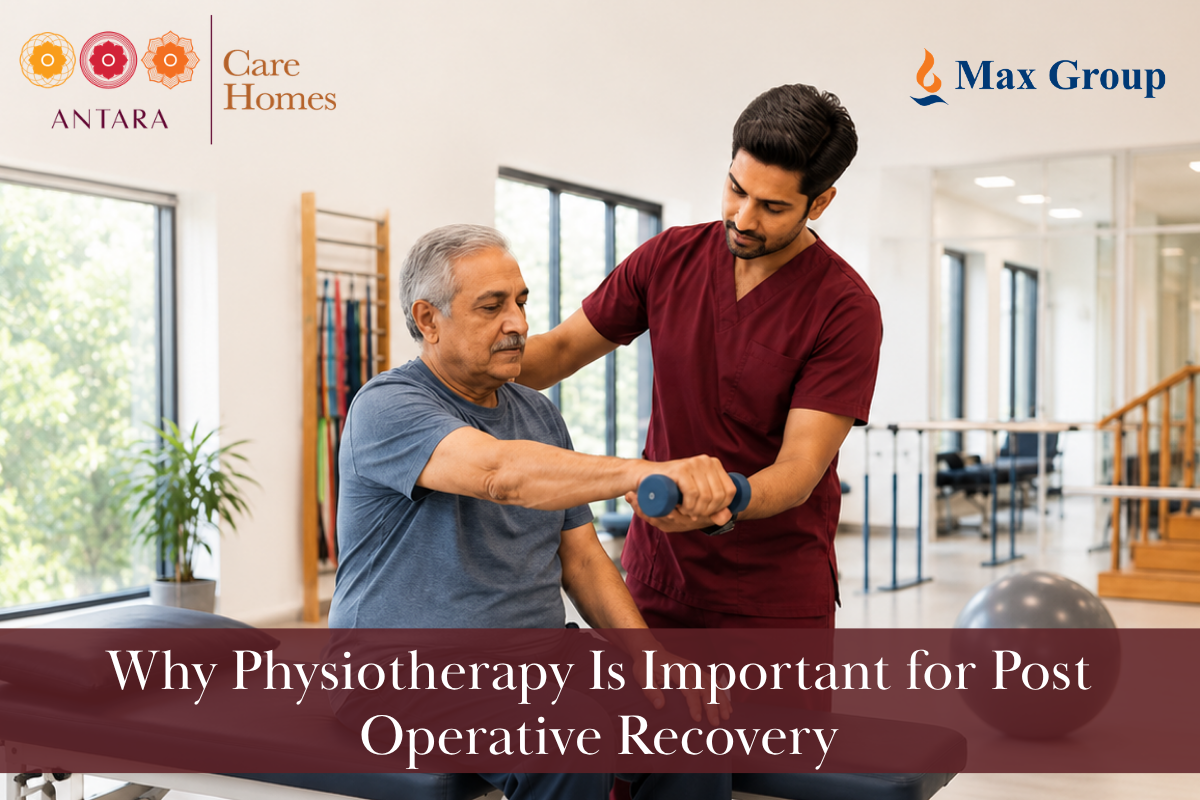
It's physical therapy given after surgery. The goal is simple. Get the body moving again. Get strength back. Get function back.
A physiotherapist builds a plan around the surgery. A knee replacement needs one kind of plan. Spinal surgery needs another. The exercises change. The pace changes too. The role of physiotherapy stays the same every time. Move safely, and keep moving forward.
This isn't just exercise. Someone is watching. Someone is adjusting the plan based on how the body responds each day. That's the part most people don't expect going in.
There's more to this than feeling stronger.
It cuts the risk of problems like Blood clots, Stiffness, Weak muscles. All three show up more when someone stays still too long. Movement pushes back against all of them.
Physiotherapy speeds things up after surgery. Blood flow improves with the right kind of activity. That helps tissue heal faster, not just muscles.
Physiotherapy after surgery brings independence back sooner. Walking. Climbing stairs. Getting dressed. None of this comes back on its own after a big surgery. It has to be rebuilt, piece by piece.
It handles pain better with right movement and often eases pain instead of making it worse. A lot of people are surprised by that.
And it stops small problems from becoming big ones. Weak muscles are left alone and can turn into a chronic issue, long after the wound itself has closed up.
There's a mental side to this too. Surgery can leave people anxious about moving at all and that's why structured post operative care is important. A good physiotherapist works through that fear gently, building confidence back one step at a time. That confidence often matters as much as the physical progress itself.
Most big surgeries need it. Some need it more urgently.
Hip and knee replacements almost always need it, to get range of motion back. Spinal surgery needs it done carefully, so the spine heals without extra strain. Heart surgery needs a slower pace, so the heart isn't pushed too hard too soon.
Stroke and other neurological surgeries often need it alongside speech therapy. Broken bones and torn ligaments usually need it too, to stop stiffness before it sets in.
Even smaller procedures often benefit from some physiotherapy. Healing the wound is only half the job. The other half is getting the body working the way it use to.
Age plays a part in this too. Older patients often need physiotherapy for longer, and need it paced a bit more carefully. That doesn't mean recovery is out of reach. It just means the plan needs to respect where the body actually is, not rush ahead of it.
There are usually a few stages, and each one builds on the last.
Early movement comes first. This might mean sitting up, or taking a few steps, sometimes within a day of surgery. Pain gets managed alongside this, because discomfort makes people reluctant to move.
Strength comes back next, slowly, as the body allows it. Specific exercises target whatever the surgery affected. After that comes real-world practice. Walking. Using stairs. Getting in and out of a chair without help.
Later on, balance work often gets added, especially for older patients. And the whole plan keeps changing along the way, based on how the person is actually doing, not a fixed calendar set in advance.
Sooner than most people think.
In many cases, it starts within a day or two, as soon as someone is stable enough. Even sitting up in bed counts. That early movement lowers the risk of complications and sets the tone for everything after.
Waiting too long backfires. Muscles weaken fast. Stiffness sets in quickly once movement stops. The body responds best when it gets moving early, not after things have already stalled.
Every case is different, though. Timing depends on the surgery, the person's health, and what the surgical team decides. A good physiotherapist stays in close contact with that team, adjusting the start date as needed.
Not every place offers the same care. The difference shows up in the results.
A specialized centre has physiotherapists who know surgical recovery specifically, not general fitness. That matters more for complex cases, or for anyone at higher risk of a fall.
These places also tend to keep closer watch. Vitals. Wound healing. Pain levels. All checked regularly, which helps catch problems early. Physiotherapists, nurses, and doctors work in the same place, instead of across separate clinics that never talk to each other.
For a lot of patients, especially older adults, that setup makes a real difference. It's not only about the exercises. It's about everyone working around the person who's actually recovering.
Getting through surgery isn't the whole story. Physiotherapy after surgery rebuilds strength, brings independence back and cuts down on problems that can quietly slow recovery. Starting early, sticking with it and picking the right place to do it all shape how the recovery ends up going.
1. Why is physiotherapy important after surgery?
It helps the body get its strength and movement back. It also lowers the risk of blood clots, stiffness, and long-term weakness.
2. When should physiotherapy start after surgery?
Often within a day or two, once someone is stable. Starting early usually leads to a better outcome.
3. Which surgeries need physiotherapy the most?
Joint replacements, spinal surgery, heart surgery, and neurological surgery all tend to need it the most.
4. Is physiotherapy painful after surgery?
Some discomfort is normal, but a good physiotherapist paces things to avoid unnecessary pain. Done right, movement often helps more than it hurts.
5. How long does recovery usually take?
It depends on the surgery. Some people are back on their feet in a few weeks. Others need several months.

Please fill in the form and submit the details to request an appointment.