What is Neuro Physiotherapy?
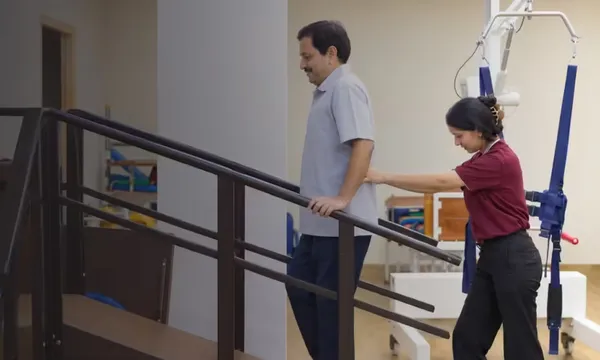
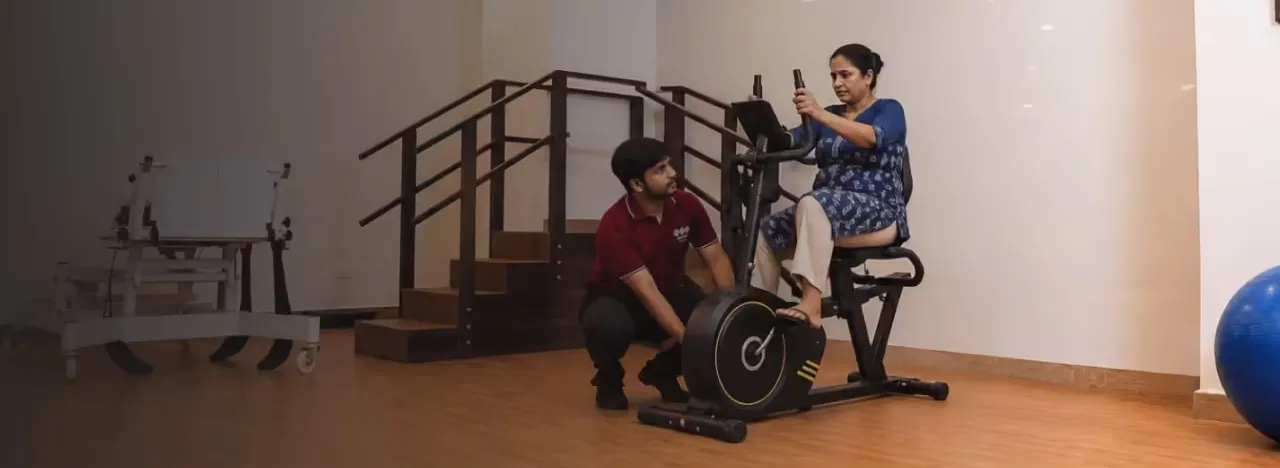
When the nervous system gets damaged, whether from a stroke, an injury, or a condition like Parkinson's, ordinary movement stops working the way it used to. Walking, reaching, balancing, even holding a cup steady, all of it depends on signals travelling correctly between the brain and the muscles. Neuro physiotherapy exists to work directly on that connection, using structured movement and repetition to help the nervous system relearn what it lost.
This is different from general physiotherapy, which usually deals with muscle strains, joint pain, or recovery after a routine surgery. After conditions like stroke, brain injury, or Parkinson's disease, the challenge runs deeper than sore muscles. Neuro rehabilitation helps rebuild these disrupted pathways through targeted exercises, movement training, and repeated practice, helping patients regain as much independence as possible in their daily life. With the right guidance, many patients see meaningful improvement over time, even in cases where progress felt slow in the beginning.
Who Needs Neurological Physiotherapy?
Anyone experiencing movement problems, weakness, balance issues, or loss of coordination due to a brain or nerve-related condition can benefit from neurological physiotherapy. This includes both sudden neurological events and long-term, ongoing conditions that affect how the body moves.
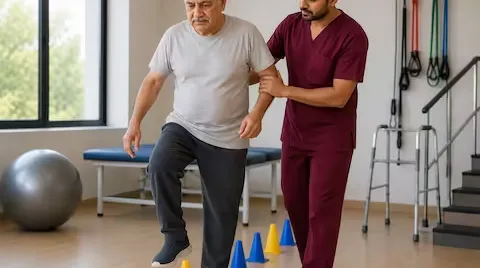
This includes people recovering from a stroke, living with Parkinson's disease, managing multiple sclerosis, or dealing with the after-effects of a brain or spinal cord injury. It also helps patients who have undergone neurosurgery and need structured support to regain function safely. Even patients experiencing early, subtle symptoms, like slight weakness or occasional loss of balance, benefit from starting neuro physiotherapy sooner rather than waiting for symptoms to worsen.
Benefits of Neurological Physiotherapy

Improves Movement and Coordination
Targeted exercise help retrain the brain's control over muscles, improving how smoothly and safely a person moves through daily activities like walking, sitting, or reaching for objects.
Restores Balance and Reduced Fall Risk
Balance training strengthens stability, which matters enormously for patients with stoke, Parkinson's, or spinal cord conditions, where a fall can lead to further injury and setbacks in recovery.
Manages Muscle Stiffness
Spasticity, a common issue after stroke oe brain injury, is managed through stretching, positioning, and guided movement techniques that keep joints flexible and reduce discomfort over time.
Rebuild Strengths Gradually
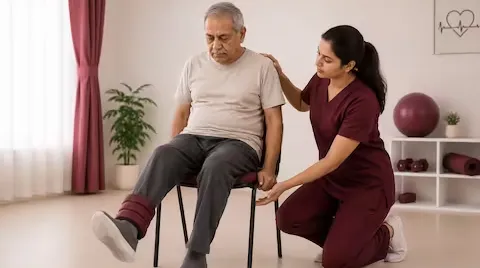
Weakness following neurological events is addressed through progressive, safe strengthening exercises suited to each patient's current ability increasing in intensity only as the body is actually ready for it.
Neurological conditions affect each patient differently, but the goal of neuro physiotherapy remains the same everywhere. It helps the body and brain work together again, safely and gradually, using structured exercises that build on each other over time.
Conditions That Require Neuro Physiotherapy
Neuro physiotherapy supports recovery across a wide range of neurological conditions, each requiring a slightly different rehabilitation approach based on how the condition affects movement and function.

Stroke
- Ischemic & Hemorrahagic stroke recvery
- One sided weakness (Hemiplegia)
- Speed & Swallowing Related Mobility Support
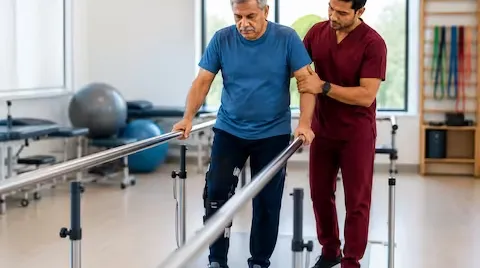
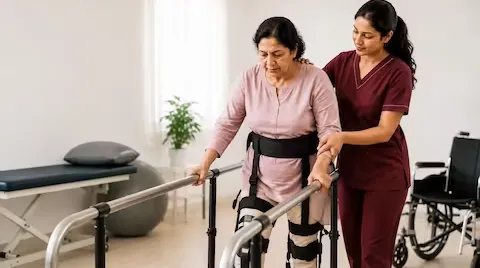
- Post Stroke balance & Gait training
- Upper Limb & Hand Function Recovery
- Stroke Rehabilitation often begins soon after the patient is medically stable, since early movement significantly improves long-term outcomes. Physiotherapy for stroke focuses on rebuilding strength on the affected side, retraining balance, and helping patients walk safely again.
Traumatic Brain Injury (TBI)
- Recovery After head injury
- Post-Neurosurgery Rehabilitation
- Cognitive-Motor Coordination Training
- Long-Term TBI Rehabilitation Support
- Fatigue and Endurance Management
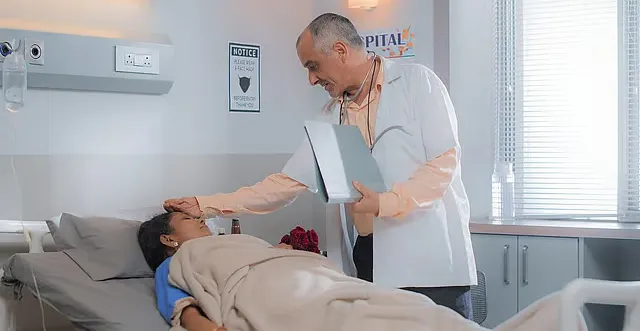
- TBI rehabilitation varies widely depending on the severity and location of the injury. Some patients need support with basic movement, while others focus more on coordination and stamina as they return to daily activities.
Parkinson's Disease
- Physiotherapy for Parkinson's Disease Symptoms
- Gait and Freezing Episode Management
- Balance Training for Parkinson's Patients
- Flexibility and Posture Correction
- Fine Motor Movement Support
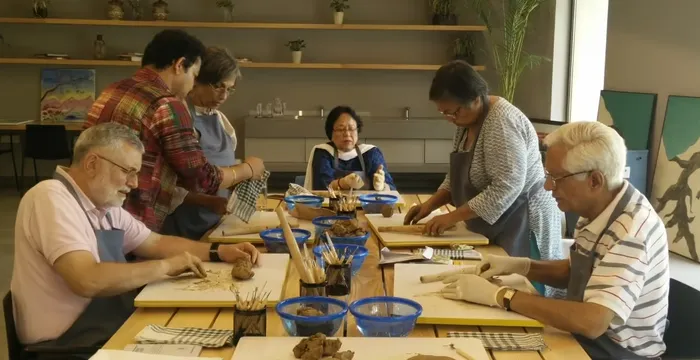
- Parkinson's disease progresses gradually, and physiotherapy plays an important role at every stage. Regular sessions help manage stiffness, improve walking rhythm, and reduce the freezing episodes that many patients experience while walking or changing direction.
Whether recovering from a stroke, living with Parkinson's disease, or managing the effects of a brain or spinal cord injury, neuro physiotherapy helps patients regain movement, confidence, and independence step by step.
Why Choose Antara for Neuro Physiotherapy for Stroke, Brain Injury & Parkinson's?
Recovering from a neurological condition takes more than exercises alone. It needs the right team, the right environment, and a plan built around the individual patient's specific situation. At Antara, neuro rehabilitation is approached exactly this way, with every detail designed around real recovery, not just routine treatment.

Personalised Neuro Rehab Plans
Every plan is built around the specific condition, current ability, and recovery goals of the patient, rather than following a fixed programme applied to everyone equally.

Experienced Neuro Physiotherapists
Our physiotherapists are trained specifically in neurological rehabilitation, understanding the unique challenges stroke, TBI, and Parkinson's patients face at each stage of recovery.

Focus on Functional Recovery
Sessions are designed to help patients regain real, everyday abilities, not just isolated exercises performed for their own sake.