Loading...
Loading...
 BACK
BACK2026-09-18
Dr. Darshan NA
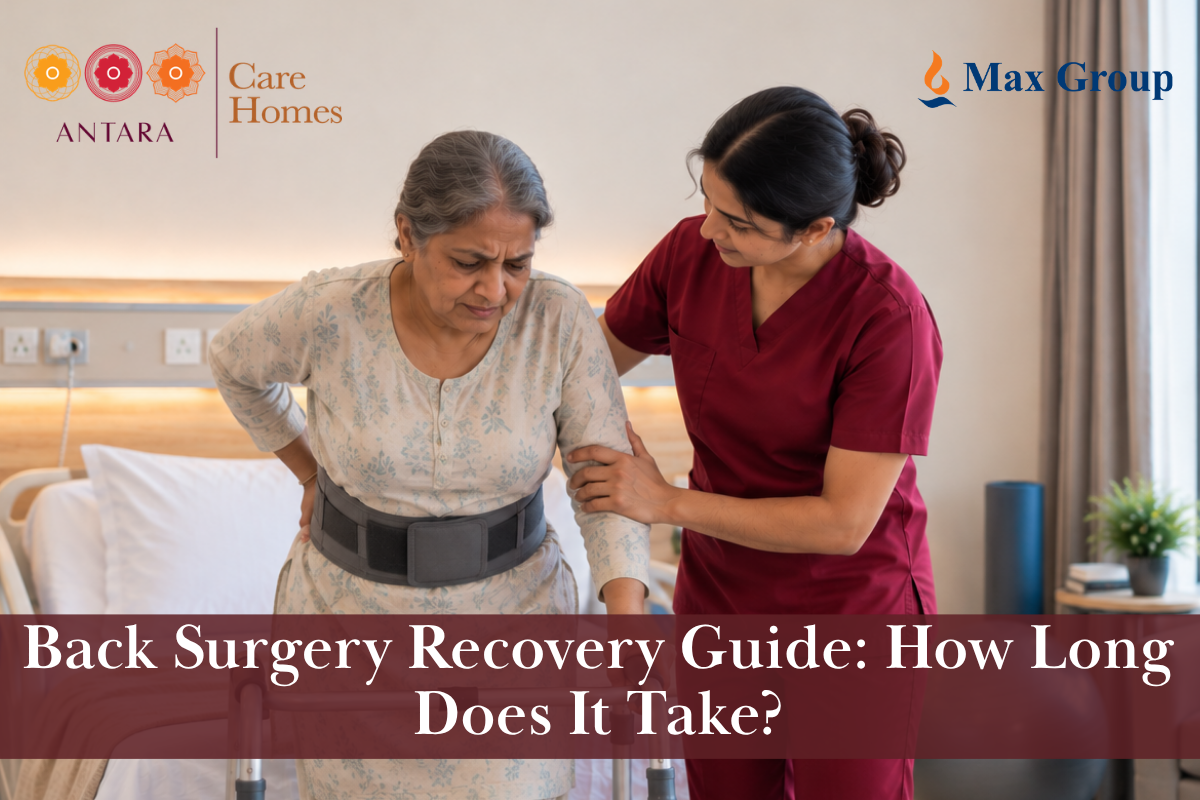
Back surgery recovery varies depending on the type of surgery, overall health, and orthopedic rehabilitation needs. Most patients gradually regain strength, mobility, and independence over several weeks to months. Proper post-operative care, physiotherapy, pain management, and following the expert advice can help support a safer and smoother recovery.
Two things drive this more than anything else. What kind of surgery you had, How your body responds to it. Second thing that most people overlook is Post operative care.
A successful surgery is not the end, after surgery you need right care at right time. As many things matters in recovery journey. Your age matters too. So does your health before surgery. Smoking slows healing a lot. So does uncontrolled blood sugar. Every back is a little different. So is every recovery.
A structured orthopedic rehabilitation helps in creating a personalized plan that helps you recover faster & completely.
For complete recovery after back surgery, you need a trusted rehabilitation that offers everything under their roof. They create your recovery plan after surgery weekly and track your progress in daily basis.
This week is about getting stable. Not getting fast.
What type of surgery you had decides if there is a need for long term or short term rehabilitation requirement. Simple decompression often means a short stay. Fusion surgery usually needs longer. A few days, while your team watches for problems and gets your pain under control.
Walking starts early. Often within hours of surgery, guided by a physical therapist. That's not optional. It keeps your blood moving. It lowers your risk of clots too.
Your back will feel sore and stiff. That's expected. Medication keeps it manageable. Sleep might be tricky, since finding the right position takes some trial and error. Give it time.
Bending, twisting, and lifting all stay off the table this week. Your care team will show you exactly how to move safely before you go home.
This is where daily life starts creeping back in.
Pain eases, day by day. Not always in a straight line though. Good days and rough days both happen here. That's normal too.
Sitting for long stretches still feels hard. Break it up. Stand, stretch, walk a little, then sit again. Driving stays paused until your gives the go-ahead. Quick reflexes and pain-free movement both matter behind the wheel.
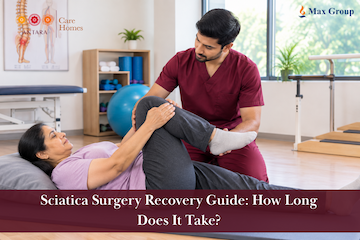
Physiotherapy after back surgery often starts somewhere in this window. Early sessions stay gentle. Simple movement. Light core activation. Nothing pushed too hard, too soon.
Light tasks come back slowly. Making a simple meal. Folding laundry while seated. Nothing involving bending at the waist just yet. That comes later, once your spine has settled a bit more.
Real strength work begins here.
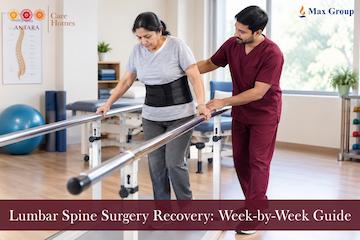
Physiotherapy gets more structured now. Core muscles matter a lot, since they support your healing spine directly. Walking after back surgery starts feeling more natural too, with distance growing week by week.
Many people head back to desk work in this stretch, once cleared. Physical jobs take longer. Back surgery recovery time varies quite a bit here, shaped heavily by whether fusion was part of your surgery.
Morning stiffness often lingers a while. That should keep easing. Confidence in bending and moving comes back too, slowly, as real strength returns underneath.
Life starts looking ordinary again through this stretch.
For decompression patients, this period often marks close to full recovery. Fusion is slower. Bone needs more time to lock in fully. Sometimes stretching toward six months or beyond.
Low-impact exercise, walking or swimming, often gets approved here. Many people feel like themselves again by this point. Even with a few lingering precautions around heavy lifting still in place.
Back surgery recovery timeline milestones shift by procedure. What's true for a simple discectomy won't match what's true for a multi-level fusion. Your own path depends on your own surgery, and that's worth remembering when comparing notes with someone else's recovery story.
A few things slow things down more than others.
Smoking is a big one. It really does get in the way of how bone and tissue heal. Diabetes and poor blood sugar control do too. Age plays a role, though it's not the deciding factor by itself.
Skipping physiotherapy sets people back. So does jumping into heavy activity too soon. Multiple spinal levels treated in one surgery usually means more healing time needed too, simply because there's more tissue and bone involved.
Physiotherapy isn't extra. It's central to how well this whole thing goes.
It rebuilds the core strength that protects your spine long-term. It retrains safe movement, correcting habits that might have contributed to the problem in the first place. Guided sessions help you avoid the exact motions that could stress a healing spine too early.
Choosing the right rehabilitation centre after back surgery can support a safer and smoother recovery. Look for:
Antara Care homes offer post operative rehabilitation that includes everything under one roof. From expert led care plans, daily monitoring, therapists, robotic rehabilitation to in-house pharmacy & insurance claim support.
1. How long does back surgery recovery take? Discectomy patients often recover in six to twelve weeks. Fusion surgery typically needs three to six months, sometimes longer.
2. What is the back surgery recovery timeline week by week? Basic mobility returns in week one, light activity by weeks two to four, real strength by week eight.
3. When can I start walking after back surgery? Often within hours of surgery, guided by your care team, with distance growing steadily each week after.
4. What slows down recovery after back surgery? Smoking, poor blood sugar control, skipping physiotherapy, and multiple spinal levels treated in one surgery.
5. Does postoperative back care affect recovery speed? Yes. Good physiotherapy, safe movement, and proper wound care all support faster, safer healing.
Back surgery recovery moves at its own pace, shaped mostly by what kind of surgery you had. Physiotherapy, patience, and the right rehabilitation support all play a real part in how smoothly that pace unfolds.

Please fill in the form and submit the details to request an appointment.