Loading...
Loading...
 BACK
BACK2026-09-18
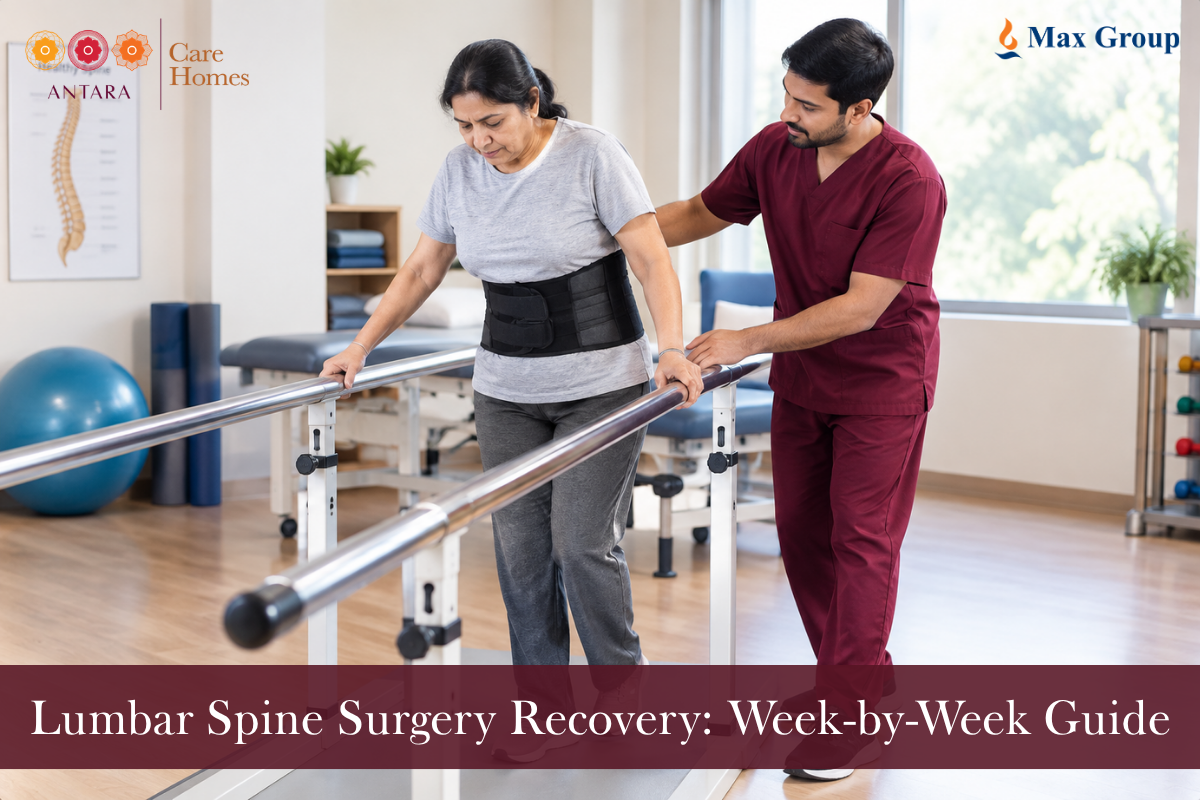
Lumbar spine surgery can help reduce pain and improve movement, but recovery takes time. For lumbar spine surgery, post operative care is must. The first few weeks are usually focused on rest, wound care, pain management, and safe movement. As you heal, walking and physiotherapy may become an important part of your routine. Your spine surgery recovery time can vary based on the type of surgery, your overall health, and your progress. This week-by-week guide explains what you may expect during lumbar spine surgery recovery, along with simple tips, precautions, and activities to support a safe recovery
Healing the lower back surgery recovery takes real time. Two separate processes run alongside each other here.
The first is wound healing. Skin, muscle, and soft tissue settle over a few weeks. The second is deeper, especially with fusion surgery. Bone needs months to properly knit together and stabilize.
Simple procedures like a discectomy heal faster than fusion work. Fusion asks the body to build new bone, and that takes real patience. Both paths share one thing though. Gradual, guided movement drives the whole process forward.
The goal here is simple. Get stable, get moving carefully.
Post Operative rehabilitation will decide how long you'll stay based on the procedure itself..
Standing and short walks typically happen quickly, sometimes on the day of surgery itself. A physical therapist guides these first movements. Bending, twisting, and lifting anything heavy all stay off-limits for now.
Your back may feel tight or swollen. This eases with time. Pain medication keeps discomfort manageable during these early days. Sleep positioning matters too, often on your back or side with pillow support.
By the end of this week, basic tasks like sitting up and walking short distances should feel more achievable, even if still uncomfortable.
This stretch is where consistency starts paying off.
Walking distances grow, day by day. Most people notice pain gradually softening, though good days and rough days both happen. That's normal, not a setback.
Sitting for extended periods still feels hard. Take breaks often. Standing desks or frequent position changes help here. Driving stays paused until your surgeon clears you, since reaction time and comfortable movement both matter for safety behind the wheel.
Physiotherapy after lumbar surgery often begins somewhere in this window, depending on your specific procedure. Early sessions focus on gentle movement and core activation, nothing intense yet. The goal is protecting the healing spine while slowly building tolerance for daily activity.
Light household tasks return gradually. Cooking a simple meal. Folding laundry while seated. Nothing involving bending at the waist or lifting.
Real strength work enters the picture now.
Physiotherapy after spine surgery sessions grow more structured. Core stability becomes a major focus, since strong core muscles directly support spinal healing. Walking distances keep expanding, often without much discomfort by this point.
Many people return to desk-based work during this stretch, once medically cleared. Physical jobs generally take longer to resume safely. Lumbar surgery recovery time varies a lot here, shaped heavily by whether fusion was involved.
Stiffness in the morning often lingers a while longer. This should keep easing gradually. Confidence in bending and moving grows too, as strength slowly returns to the lower back and surrounding muscles.
Life starts looking normal again through this stretch.
By month three, many people move through daily tasks without much thought. Strength keeps building steadily. Low-impact exercise, like swimming or a stationary bike, often gets approved around this time.
For discectomy or laminectomy patients, this period often marks close to full recovery. Fusion cases typically need longer, since bone healing extends well past the soft-tissue stage. Full lumbar spine surgery recovery can stretch toward six months or beyond for more complex fusions.
Most people feel largely like themselves by month six, even if a few precautions around heavy lifting remain in place longer.
A few things need real caution throughout recovery.
Twisting the spine sharply is risky early on. So is bending forward at the waist to pick something up, rather than bending the knees instead. Heavy lifting stays off the table for weeks, sometimes months, depending on your procedure.
High-impact activity like running or jumping needs to wait for clearance. Prolonged sitting without breaks puts real strain on a healing spine too. Smoking slows bone healing significantly, which matters enormously for fusion patients specifically.
Physiotherapy isn't a side note here. It's central to how well recovery actually goes.
It rebuilds core strength that protects the spine long-term. It restores safe movement patterns too, retraining how you bend, lift, and move through daily life. Guided sessions help you avoid the exact movements that could stress a healing spine too early.
Good rehabilitation brings every piece of recovery together under one roof.
At Antara, lumbar spine rehabilitation runs on a PM&R led model. A physician oversees physiotherapy and pain management as one coordinated plan. Nursing support stays available 24x7. Rooms include grab bars and anti-skid flooring for added safety. An in-house pharmacy keeps medication simple, and nutrition support plays its part in helping the spine heal properly throughout the stay.
1. How long does lumbar spine surgery recovery take? Discectomy patients often recover in six weeks. Fusion surgery typically needs three to six months, sometimes longer.
2. What is the lumbar spine surgery recovery timeline week by week? Basic mobility returns in week one, walking and light rehab through weeks two to four, real strength by week eight.
3. When can I start walking after lumbar spine surgery? Often the same day as surgery, guided by a physical therapist, with distances growing steadily each week after.
4. What activities should I avoid after lumbar spine surgery? Twisting, bending at the waist, heavy lifting, and high-impact exercise until your surgeon confirms it's safe.
5. Does postoperative spine care affect recovery speed? Yes. Good physiotherapy, proper positioning, and avoiding risky movements all support faster, safer healing.
Recovery after lumbar spine surgery follows a fairly steady arc, though the exact pace depends heavily on your specific procedure. Physiotherapy, patience, and the right rehabilitation support all shape how smoothly that arc unfolds.

Please fill in the form and submit the details to request an appointment.