
Loading...
Loading...
 BACK
BACK2026-04-10
Dr. Vivekanandhan. B
Paralysis can change a person’s life suddenly, making everyday activities difficult and overwhelming for both patients and their families. However, with the right care, recovery and improvement are possible. In Delhi-NCR, there are advanced treatment and rehabilitation options that focus on restoring movement, independence, and confidence. From physiotherapy and occupational therapy to 24/7 medical support, a structured rehabilitation program plays a key role in recovery. Choosing the right rehabilitation centre can make a significant difference in helping patients regain strength and improve their quality of life.
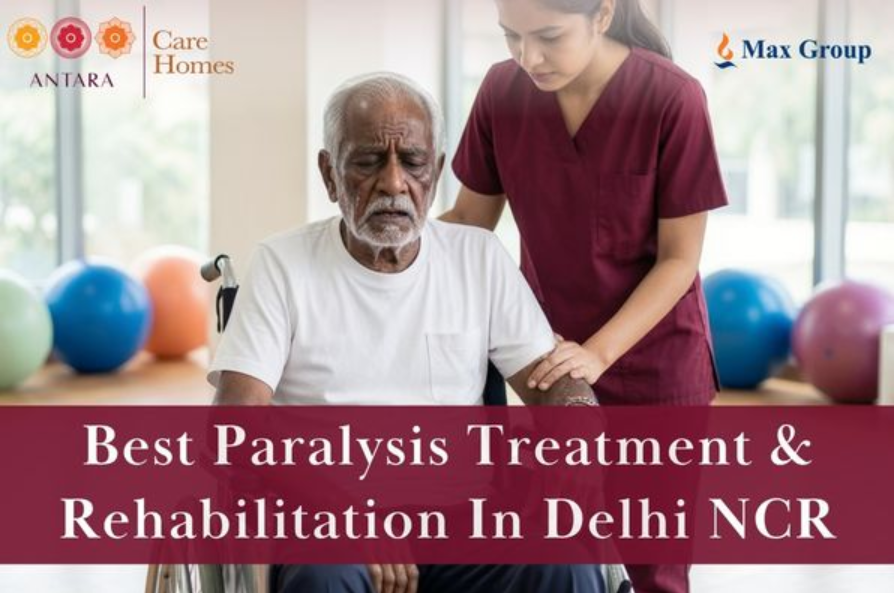
The first 90 days after paralysis, often called the “golden period,” are extremely important for recovery. During this time, the brain and body respond best to rehabilitation therapies, making it easier to regain movement and improve function. Early intervention with physiotherapy, occupational therapy, and medical care can significantly enhance recovery outcomes. Structured rehabilitation during this phase helps prevent complications like muscle stiffness and weakness. With the right support and consistent therapy, patients have a higher chance of regaining independence and improving their overall quality of life.
Recognizing the early signs that a patient needs rehabilitation is crucial for timely recovery. Ignoring these signs can lead to complications, slower progress, and reduced chances of regaining independence. Starting rehabilitation at the right time helps improve mobility, prevent further health issues, and support overall recovery.
Rehabilitation plays a crucial role in helping paralysis patients regain movement, independence, and confidence. It is not just about recovery, but also about improving the overall quality of life. With the right therapies and medical support, patients can relearn essential skills and prevent further complications.
Helps regain movement and strength: Regular therapy improves muscle function and supports better mobility
The cost of paralysis patient treatment and rehabilitation largely depends on the type and level of care you choose. Factors such as medical supervision, therapy intensity, duration, and facilities can significantly impact the overall cost.
On average, structured rehabilitation in specialized centers may cost around ₹150,000 to ₹3,00,000+ per month, depending on the services included. More advanced or intensive care setups with 24/7 medical support and comprehensive therapies may cost more.
Choosing the right care setting is important, as a well-structured rehabilitation program can lead to better recovery outcomes and improved quality of life.
A well-structured rehabilitation in delhi-ncr plan includes a combination of therapies that work together to improve movement, independence, and overall recovery. Each therapy targets a specific aspect of the patient’s condition and plays a crucial role in the healing process.
A combination of these therapies, when delivered in a structured environment that you can get while paralysis treatment in delhi, can significantly improve recovery outcomes and help patients regain independence.
Choosing the right paralysis rehabilitation centre such as Antara care home plays a big role in how well and how quickly a patient recovers from paralysis.
Recovery is not just about therapy sessions. It depends on the quality of care, the experience of the team, and how consistently the patient is supported every day. Instead of looking at too many factors, it helps to focus on a few key aspects that truly impact recovery.
A strong medical team is the foundation of any good rehabilitation centre. Look for experienced doctors, trained therapists, and nursing staff who are available round the clock. Continuous supervision helps in early identification of issues, timely intervention, and safer recovery especially in the initial stages.
Every paralysis case is different. Recovery depends on the patient’s condition, age, and overall health. A good centre will not follow a one-size-fits-all approach. Instead, it will create a personalised plan that may include physiotherapy, occupational therapy, and speech therapy, based on the patient’s needs.
The environment plays a bigger role than most families realise. A well-equipped centre with proper rehabilitation tools, safe movement spaces, and accessible design helps patients practise regularly and confidently. A structured setup also ensures that therapy happens consistently, which is critical for recovery.
Look for centres that have handled similar cases before and can show real recovery outcomes. Just as important is how they communicate with families. Regular updates, clear progress tracking, and emotional support help families stay informed and involved throughout the journey.
Paralysis recovery is time-sensitive, with the first few weeks playing a critical role in outcomes. Early paralysis attack treatment and consistent paralysis treatment can significantly improve recovery and reduce complications.
Effective recovery depends on continuous medical supervision, personalised therapies, and a structured rehabilitation environment. Choosing the right centre is important, as established providers offer more consistent care through trained teams and defined protocols.
Antara Care Homes is one such established player, known for its structured rehabilitation approach and clinically supported care environment.
While costs may vary, the focus should always remain on the quality and consistency of care.
Full recovery is possible in some cases, especially with early and consistent rehabilitation. Even if complete recovery is not achieved, therapy can significantly improve movement and independence.
Delaying rehabilitation can lead to muscle stiffness, reduced mobility, bedsores, infections, and slower overall recovery, making it harder to regain independence.
Rehabilitation should start as early as possible, ideally within the first few days after medical stabilization. The first 90 days are considered the most critical for recovery.
A combination of physiotherapy, occupational therapy, speech therapy (if needed), and medical care is essential for effective recovery.
Best Stroke Rehabilitation Centre in Bangalore: Recovery, & ...
Best Stroke Rehabilitation Centre in Chennai: Recovery, & Co...

How to Safely Get Out of Bed After Open Heart Surgery
Best Physiotherapy Exercises for Shoulder Pain at Home
Best Physiotherapy at Home Services in Bangalore

Please fill in the form and submit the details to request an appointment.