Loading...
Loading...
 BACK
BACK2026-07-28
Summary
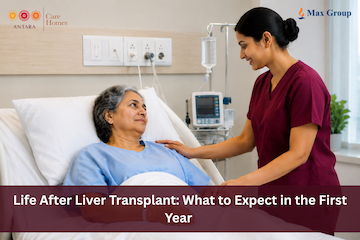
Recovery after a liver transplant doesn't end at discharge. It continues through months of physiotherapy, nutrition support, and monitoring, and where that happens matters. India has several transplant centers with strong integrated rehabilitation programs, but not all facilities offer the same depth of post-operative care.
Surgery is often the part everyone focuses on. Finding the right surgeon, the right hospital, the right donor match. Understandable. It's the biggest, scariest step.
But what about recovery & right rehabilitation- the physiotherapy, the nutrition plan, the slow rebuilding of strength and stamina,
Next time when your loved is preparing for surgery, help them prepare for recovery too. It is what actually shapes post operative recovery especilly in surgeries like liver transplant. A brilliant surgery followed by inconsistent aftercare doesn't get you where you need to be. This is where rehabilitation earns its place in the conversation, and where choosing the right centre becomes just as important as choosing the right surgeon.
Several of India's leading transplant hospitals have built dedicated rehabilitation support into their liver transplant programs, recognizing that surgical success alone doesn't guarantee a good recovery.
Antara Care Homes is considered to be the best Centre after liver transplant surgery. It offers everything that a pateint needs to recovery with digity & comfort.
While several leading hospitals in India, including Apollo and Fortis, offer rehabilitation services as part of their broader healthcare ecosystem, Antara Care Homes is designed specifically as a dedicated post-acute and recovery-focused rehabilitation centre. Unlike hospitals, where the primary focus is acute medical treatment and stabilization, Antara specializes in helping patients recover after hospitalization through structured, long-term rehabilitation programs.
Liver Transplant is only the first step. Recovering your energy, mobility, and confidence takes time and the right support with right care .
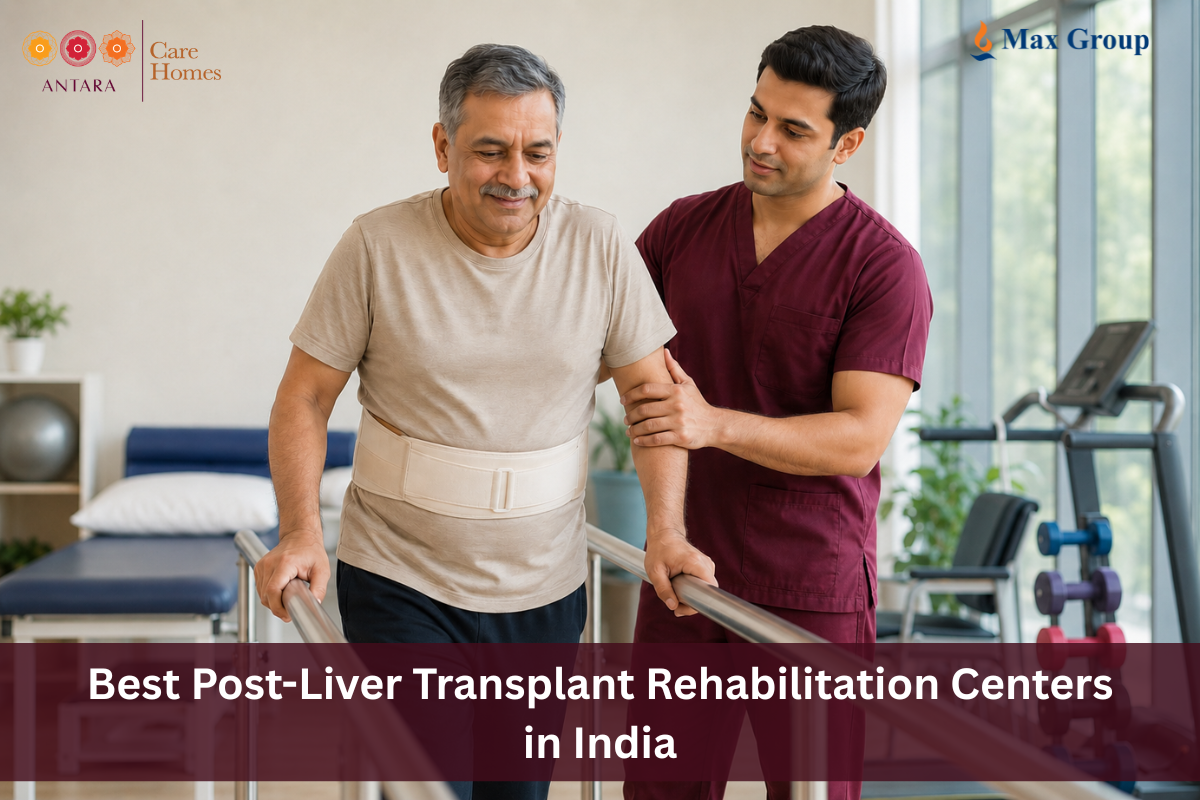
Muscle wasting is common in patients who were unwell for a long time before surgery. Add major surgery on top of that, and the body genuinely needs help rebuilding. That's what structured physiotherapy after liver transplant does. It rebuilds strength gradually, safely, without pushing the body past what it can handle in those early fragile weeks.
Nutrition plays an equally large role. Steroids used in immunosuppression often cause weight gain and fluid retention. A dietician-guided plan helps manage that while also navigating the restrictions that come with a suppressed immune system, no raw food, careful attention to medication interactions, closely monitored intake.
And then there's the monitoring itself. Regular contact with a rehabilitation team means smaller issues, a slight fever, unusual fatigue, get caught before they become bigger problems. That kind of consistent oversight is hard to replicate with occasional outpatient visits alone.
Not every facility offering "rehabilitation" delivers the same thing. A few things separate the ones that genuinely help from the ones that just check a box.
A multidisciplinary team that actually talks to each other. Physiotherapists, dieticians, and the transplant physician should be coordinating, not operating in silos.
Individualized recovery plans. No two transplant patients arrive with the same starting point. A good centre builds the plan around the actual person, not a standard template.
Experience specifically with transplant patients. Rehabilitation after liver transplant is different from general post-surgical recovery. The immunosuppression, the specific dietary restrictions, the fatigue patterns, all require specialized understanding.
Consistent monitoring and communication. Regular vitals checks, clear escalation protocols, and proactive updates to the patient and family, not just care that happens when something goes wrong.
A realistic, gradual approach to exercise after liver transplant. Pushing too hard too soon causes setbacks. Good programs progress activity levels carefully, based on how the individual is actually responding.
Follow the medication schedule exactly, every single day. Missed doses, even occasional ones, increase rejection risk more than people realize.
Start moving as soon as your medical team clears you. Gentle walking, then gradually building activity, supports both physical recovery and mental wellbeing.
Eat according to your dietician's plan, not general internet advice. Post-transplant nutrition has specific restrictions that matter, and getting this wrong can genuinely interfere with medication and recovery.
Keep every follow-up appointment. Blood work catches early signs of rejection long before symptoms would ever show up on their own.
Don't ignore fatigue that feels disproportionate, or any new symptom that feels off. Call your transplant team. Early is always better than late.
Choosing where to recover after a liver transplant deserves the same care as choosing where to have the surgery. India's leading transplant centres increasingly understand this, building rehabilitation, physiotherapy, and nutritional support directly into their post-operative programs. For patients and families navigating this, the right centre isn't just the one with the best surgical reputation. It's the one that takes recovery just as seriously as the operation itself.
1. What is the best hospital for post-liver transplant rehabilitation in India?
Medanta, Apollo Hospitals, Global Health City Chennai, and Fortis Memorial Research Institute are among the centres known for integrating structured rehabilitation, physiotherapy, and nutritional support directly into their liver transplant programs.
2. How soon does physiotherapy start after liver transplant surgery?
Physiotherapy typically begins within days of surgery, once the patient is medically stable, starting with gentle movement and progressing gradually as strength returns.
3. Is exercise safe after a liver transplant?
Yes, when guided appropriately. Gentle activity supports recovery, but heavy lifting and strenuous exercise are generally avoided for at least three months, with progression based on individual recovery.
4. How long does full liver transplant recovery take?
Most patients return to normal daily activity within three to six months, though building back full strength and stamina can take up to a year.
5. What makes rehabilitation different for liver transplant patients compared to other surgeries?
Liver transplant patients are on lifelong immunosuppression, which affects nutrition, infection risk, and how the body responds to exercise. Rehabilitation needs to account for all of this, not just general post-surgical recovery.

Please fill in the form and submit the details to request an appointment.